
Why Every Household Needs a NOAA Weather Radio
A NOAA Weather Radio is one of the most reliable tools you can own during severe weather events. These radios receive broadcasts directly from the National Oceanic and Atmospheric Administration, delivering real-time warnings, watches, and forecasts even when power is out, cellular networks are overloaded, or internet service fails. For anyone serious about storm preparedness, a quality weather radio belongs alongside your emergency kit and evacuation plan.
Unlike relying on phone notifications or television alerts, a dedicated weather radio operates independently. Many modern units include battery backup, hand-crank charging, and solar panels, making them functional during extended power outages that often accompany tornadoes, hurricanes, and winter storms. The moment a Tornado Warning is issued for your county, your radio can alert you with an audible alarm and display the warning text on screen.
Our top picks


As an Amazon Associate we earn from qualifying purchases at no extra cost to you.
Essential Features to Look for in a Weather Radio
Not all weather radios are created equal. When evaluating options, prioritize models equipped with Specific Area Message Encoding, commonly known as SAME technology. SAME allows you to program your radio to alert you only for specific geographic codes corresponding to your county, state, and surrounding areas you travel through. This dramatically reduces nuisance alerts that cause people to silence or ignore their radios, a well-documented failure mode during emergencies.
Look for a unit with an LCD display that shows the warning text, not just an alarm tone. Reading the exact nature of the threat, the affected areas, and the expiration time helps you make informed decisions about sheltering versus evacuating. Backlit displays prove invaluable during nighttime storms when you are woken by an alarm in a dark room.
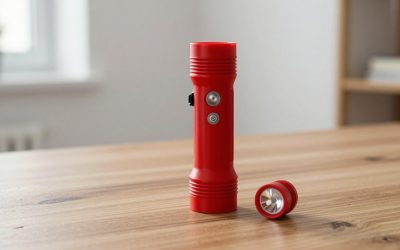
Power options matter significantly. The best weather radios offer at least three charging methods: AC wall power, battery operation, and either hand-crank or solar. Some units also include USB ports for charging mobile devices, which adds value during multi-day outages. A built-in flashlight is another practical feature that many quality radios include at no extra cost.
Placement and Usage Tips for Maximum Protection
Owning a weather radio is only half the equation. Proper placement and configuration ensure it actually protects your household. Install your primary unit in a central living area where everyone can hear the alarm, ideally near your designated shelter location such as a basement or interior room. Program the SAME codes for your exact address and any counties you work in or frequently travel through.
Test your radio weekly using the built-in test button, and replace batteries at least once per year even if the unit uses mains power, because the backup battery is your lifeline during outages. Keep a secondary radio in your vehicle, as flash floods and tornadoes can strike while you are driving in unfamiliar areas where you may not recognize local warning patterns.
Consider the volume level carefully. During the day, a moderate volume works well, but nighttime alerts must be loud enough to wake sleeping household members. Some radios offer adjustable tone settings and vibration modes for individuals with hearing impairments, so check accessibility features if needed.
Buying Guidance and Common Mistakes to Avoid
The weather radio market ranges from basic single-function receivers to multifunction emergency devices with Bluetooth speakers, USB charging, and AM/FM capabilities. Decide whether you need a dedicated alert-only unit for your shelter or a more versatile daily-use radio with weather capabilities built in. Both serve valid purposes depending on your household size and budget.
A common mistake is purchasing a radio without SAME capability and then becoming overwhelmed by alerts for neighboring regions. This alert fatigue leads people to disable their radios entirely, which defeats the purpose. Another mistake is failing to update SAME codes after moving or changing phone numbers associated with alert services.
Finally, remember that a weather radio supplements but does not replace other warning systems. The National Weather Service uses multiple redundant channels including the Emergency Alert System on broadcast television and radio, wireless emergency alerts on cell phones, and outdoor sirens in some communities. A layered approach to receiving warnings gives you the best chance of timely notification regardless of circumstances. A well-chosen NOAA weather radio remains one of the most cost-effective pieces of storm preparedness gear any household can own.
Product links and buying checks
As an Amazon Associate, we earn from qualifying purchases.
- Midland WR120B NOAA weather alert radio on Amazon — A dedicated desktop SAME alert receiver to compare with the criteria above. It uses mains power with battery backup; it is not a hand-crank or solar-charging model.
Prices, availability and included accessories can change. Review the current listing and the compatibility guidance above before purchasing.





Write Your Review
No reviews yet. Be the first to share your experience!