Key takeaways
- Wipe steel with a damp cloth and mild cleaner; dry thoroughly.
- Touch up chips with matching paint to stop rust spreading.
- Lubricate hinges and lock cylinders lightly once or twice a year.
- Keep gear dry; place silica-gel packs in humid areas.
- Do not stack on unstable floors, and keep exits clear.
The best storage locker depends on where it lives and what goes in it: a steel single-tier or multi-tier locker suits gyms, workshops and mudrooms, a tall lockable steel cabinet suits garages and tools, and a weather-resistant resin or steel outdoor cabinet suits patios and sheds. Established makers of steel lockers include Lyon, Tennsco, Edsal and Sandusky, whose product pages describe gauge, door count and lock options. Because specifications vary by size and finish, use this guide to narrow the type first, then read the maker’s current sheet for dimensions and weight capacity.
Our top picks


As an Amazon Associate we earn from qualifying purchases at no extra cost to you.
Storage Lockers at a Glance
| Type | Best for | Typical stated features | Limits |
|---|---|---|---|
| Single-tier steel locker (one tall door) | Coats, bags, sports gear, work clothes | Ventilation slots, shelf and hooks, padlock hasp or built-in latch | Takes floor space; assembly often required |
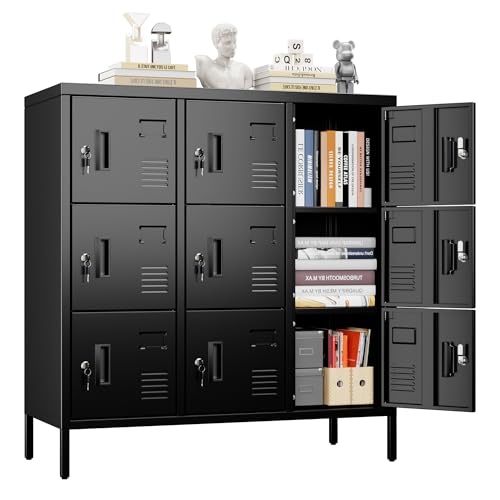
| Multi-tier steel locker (two to six doors) | Shared spaces, gyms, schools, break rooms | Compact stack of small compartments, numbered doors | Small compartments hold less per door |
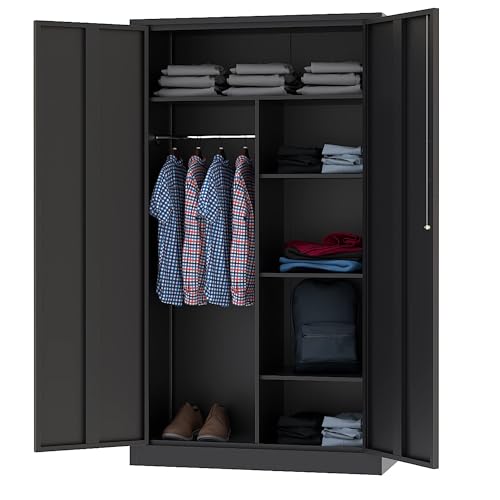
| Steel storage cabinet with shelves and lock | Garage tools, paint, supplies | Adjustable shelves, double doors, key lock | Heavier; needs level floor and anchoring |
| Resin or plastic outdoor cabinet | Patios, balconies, pool gear | Water-resistant, rust-free, light weight | Less secure and less rigid than steel |
| Wall-mounted or wire-mesh locker | Limited floor area, visible storage | Open mesh for airflow, small footprint | Contents visible; lower security |
What Matters Most When Choosing
Steel gauge and construction
Locker bodies are made from sheet steel, and thickness is described by gauge, where a lower number is thicker. Many commercial lockers use 16- to 24-gauge bodies, with thicker doors for rigidity. Welded frames resist racking better than bolt-together kits, though knock-down kits ship more cheaply and fit through narrow doorways. Check whether the maker lists powder-coat finish, because coating protects against scratches and rust in damp spaces.
Ventilation
Gym and sports lockers need ventilation louvers so damp gear dries rather than smelling. If you keep valuables or documents, solid doors with fewer vents protect better against dust and moisture.
Locking options
Most lockers use a padlock hasp, a built-in cam lock with key or a combination lock. A padlock lets you change the lock or share access, whereas a built-in lock can be neater but rekeying may be harder. Some models accept coin or keypad locks for shared facilities. Understand that no locker substitutes for a safe; a determined thief can pry thin steel.
Size and capacity
Measure the floor footprint and the height, including ceiling clearance and door swing. Common single-tier locker widths run roughly 12 to 18 inches, with depths of 12 to 18 inches, and heights near 60 to 72 inches. Cabinets are often 30 to 36 inches wide. Look at the shelf weight rating the maker states and stay within it, since overloaded shelves bow.
Anchoring and stability
Tall narrow lockers tip if loaded unevenly or if a child climbs on them. Anchor them to a wall stud or to the floor using the hardware the maker supplies, and place heavy items low. This is a genuine safety point, especially in homes with children.
Indoor, Garage or Outdoor Placement
Indoors, a powder-coated steel locker is easy to clean and takes a lot of use. In a garage, steel resists impact and tool clutter but may rust at the base if the floor is wet; add feet or leveling pads that lift the bottom off the concrete. Outdoors, resin cabinets and galvanized or weatherproof-rated steel units hold up better, but even these need shelter from standing water. Do not store flammable liquids, gasoline or fuel containers in a closed locker or inside living space unless the maker states it is designed for that; follow local fire code, and use an approved flammable-storage cabinet for solvents and fuels.
Care and Maintenance
- Wipe steel with a damp cloth and mild cleaner; dry thoroughly.
- Touch up chips with matching paint to stop rust spreading.
- Lubricate hinges and lock cylinders lightly once or twice a year.
- Keep gear dry; place silica-gel packs in humid areas.
- Do not stack on unstable floors, and keep exits clear.
Budget Tiers
Budget: Lightweight knock-down steel cabinets and basic resin boxes. Fine for light use; expect thinner metal and fewer locking choices. Mid-range: Welded or sturdy bolt-together steel lockers from commercial makers, with better finish and more lock options. Premium: Heavy-gauge commercial lockers, stainless or specialized units, and electronically locked systems for shared facilities. If you want only a place for garage tools, mid-range steel is usually adequate.
Pick X If… Decision Table
| Pick this | If you… |
|---|---|
| Single-tier steel locker | Need personal storage for bags, coats and gear in a mudroom, shop or gym |
| Multi-tier locker | Share a space among several people or need many small compartments |
| Steel garage cabinet | Store tools, hardware and supplies and want a solid locking door |
| Resin outdoor cabinet | Keep cushions, pool supplies or garden items outside |
| Wire-mesh locker | Need ventilation and see-through organization, with lower security |
Alternatives to Consider
- Gun and valuables safes: If you need real theft or fire protection, a rated safe is a better tool than a locker. Follow local law for firearm storage.
- Overhead racks and wall systems: Better for bulky seasonal items when floor space is tight.
- Self-storage units: Useful for large or seasonal volumes, though ongoing rent adds up.
Assembly Notes
Many lockers ship flat. Wear gloves, since sheet-metal edges can cut, and assemble on a level surface with a second person for tall units. Follow the maker’s sequence, tighten fasteners after the unit is square, and check that doors close without rubbing. If a door rubs, loosen the hinge screws and re-seat. Keep the instructions and spare keys in a safe place.
Choosing for Specific Situations
Mudroom or entryway
Single-tier lockers with hooks and a shelf hold coats and bags, and a bench-style locker adds seating. Choose ventilation to keep wet boots from smelling, and a finish that wipes clean.
Workshop or garage
A lockable steel cabinet with adjustable shelves keeps tools, paint and hardware tidy. Check shelf load limits, add a lip for small containers, and anchor the cabinet to a stud to keep it stable when drawers or doors open.
Gym, school or workplace
Multi-tier lockers give each person a compartment. Look at door numbering, lock style and whether the maker offers sloped tops that stop items piling up. Many facilities add benches and base risers for cleaning.
Outdoor use
Pick weather-resistant construction and keep the unit off the ground. Because sun, rain and temperature swings stress materials, choose a model whose maker describes outdoor suitability, and avoid storing items sensitive to heat or moisture.
Measuring Before You Buy
Measure the space twice, including door swing and any baseboard, vent or outlet that might block the unit. Add clearance for cleaning behind it, and confirm that the packaged box fits through your door and stairs. Think about future use: gear tends to grow, so a slightly larger locker often proves more practical than a tight fit. For shared spaces, count the number of users and plan for spares, and consider labeling each compartment clearly to cut confusion and lost items.
Security Expectations
A standard steel locker with a padlock deters casual access but will not stop a determined attempt with tools. Use a hardened padlock with a shielded shackle, mount the locker to the wall, and place valuables in a rated safe instead. In schools and workplaces, set rules for removing abandoned locks and for periodic cleanouts so that lockers do not accumulate unattended items.
Frequently Asked Questions
How thick should a storage locker be?
Thickness is listed as gauge; lower numbers mean thicker steel. For everyday storage, makers’ mid-range gauges are adequate, while higher-traffic or security-minded uses benefit from heavier gauge. Read each maker’s specification.
Can I store valuables in a storage locker?
You can store ordinary valuables, but a locker offers only basic theft deterrence. For jewelry, cash, documents or firearms, use a safe built for that purpose and follow local storage laws.
Do lockers need to be anchored?
Tall units can tip, so anchor them to a wall stud or the floor using the supplied hardware. This matters most in homes with children or in busy shops.
Will a steel locker rust in a garage?
Powder-coated steel resists rust, but damp floors and scratches can cause corrosion at the base. Raise the unit slightly, keep it dry and touch up chips with paint.
Is a plastic cabinet good enough outdoors?
For cushions, tools and pool gear, resin cabinets resist moisture and do not rust. They are less secure than steel, so avoid storing high-value items in them.
Can I store chemicals or fuel in a locker?
Not in a standard locker. Gasoline, solvents and other flammables belong in an approved flammable-liquid cabinet and must follow local fire codes and the product label.
More from Amazon
Programs that pair well with the guide above. Offers and eligibility are set by Amazon and may change.
Free shipping on eligible items, Prime Video and more. Eligible new members can start with a free trial.
Start a Prime free trialAudiobooks and podcasts to listen to on the go. Eligible new members can start with a free trial.
Try Audible freeAd-free music streaming. Eligible new subscribers can start with a free trial.
Try Music Unlimited freeA free business account with business pricing and bulk-buying tools for work, shop or home office.
Create a business accountAs an Amazon Associate we earn from qualifying purchases.