Key takeaways
- Use a certified installer; a stainless liner from the insert to the chimney top is typically required for wood and gas units.
- Obtain permits and inspections where local code requires.
- Install working smoke and carbon monoxide alarms on each level.
- Keep combustibles away from the unit by the clearance listed in the manual.
- Do not burn trash, treated lumber or unseasoned wood.
- Have the chimney inspected and cleaned annually, and let ashes cool before disposal in a metal container.
- Use a fireplace screen and keep children and pets away from hot glass.
The best fireplace insert depends on fuel and goals: a wood insert from makers such as Regency, Lopi or Enviro suits homeowners who want real heat and have a way to store and season firewood, a gas insert from makers such as Napoleon or Heat and Glo suits people who want push-button convenience, and an electric insert suits those who want ambience with no chimney work. Inserts must be sized to the existing firebox, and installation affects safety, so treat this guide as a starting point and rely on the maker’s manual, local code and a certified installer.
Our top picks


As an Amazon Associate we earn from qualifying purchases at no extra cost to you.
Fireplace Inserts at a Glance
| Fuel type | Best for | Typical stated features | Limits |
|---|---|---|---|
| Wood insert | Heating a main living area, power-outage independence | Steel or cast-iron body, glass door, blower, EPA emission rating | Needs firewood storage, regular cleaning and chimney liner |
| Gas insert (natural gas or propane) | Easy daily use and thermostat or remote control | Realistic log set, remote, optional blower, direct-vent models | Requires gas line and professional installation |
| Pellet insert | Steady automated heat with compressed fuel | Hopper, auto feed, thermostat | Needs electricity and pellet storage; moving parts |
| Electric insert | Ambience and supplemental room warmth | Flame effect, plug-in or hardwired, simple install | Lower heat output; relies on household power |
Understanding the Fuel Choices
Wood inserts
A wood insert fits into an existing masonry fireplace and burns more efficiently than an open hearth, because the closed firebox and glass door control air and recover heat with a blower. Makers such as Regency, Lopi and Enviro publish heat output ranges, burn times and emissions ratings for specific models. Choose a unit certified by a recognized emissions standard, and plan on dry, seasoned hardwood. The trade-off is labor: you haul, stack, load and clean out ash, and you must schedule annual chimney inspection and cleaning.
Gas inserts
Gas inserts use a sealed combustion system, often vented through a liner, and respond to a remote or wall switch. Napoleon and other makers offer models with different flame styles and optional thermostats. They suit households that want warmth on demand without handling wood. They still produce combustion gases, so they must be vented as the manual specifies, and a carbon monoxide alarm should be installed nearby. Gas line work and venting belong with a licensed installer.
Pellet inserts
Pellet units feed compressed wood pellets automatically, giving consistent heat with less mess than logs. They need electricity for the auger and fan, so they stop during a power cut unless you have a backup supply. Regular cleaning of the burn pot and ash is required.
Electric inserts
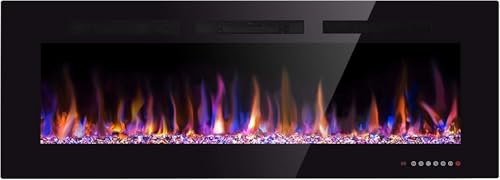
Electric inserts plug into an outlet and display a flame effect with an optional space-heater function. They are the simplest to install and need no venting, but they only add modest supplementary heat. Follow the maker’s electrical requirements, and do not use extension cords with heating products.
Sizing and Fit
An insert must match your existing firebox. Measure the opening width at the front and back, the height, and the depth, and compare with the model’s required dimensions. Many makers publish a minimum opening size and supply surround panels or trim kits to cover gaps. Also consider hearth extension, clearances to combustible mantels and flooring, and chimney height. Oversizing a wood or gas insert for a small room can cause overheating, while undersizing wastes the investment. A certified installer can perform a chimney inspection and a heat-load estimate.
Heat Output, Efficiency and Blower
Makers list output in BTUs and a heating-area estimate; treat these as best-case figures. Efficiency ratings for wood and pellet units come from lab methods, while gas units list fireplace efficiency. A blower moves warm air into the room, which improves actual usable heat but adds noise. Reviewers frequently mention that glass door cleanliness, flame view and ease of loading differ between models, so view a showroom model if you can.
Safety and Installation
- Use a certified installer; a stainless liner from the insert to the chimney top is typically required for wood and gas units.
- Obtain permits and inspections where local code requires.
- Install working smoke and carbon monoxide alarms on each level.
- Keep combustibles away from the unit by the clearance listed in the manual.
- Do not burn trash, treated lumber or unseasoned wood.
- Have the chimney inspected and cleaned annually, and let ashes cool before disposal in a metal container.
- Use a fireplace screen and keep children and pets away from hot glass.
Follow the manufacturer’s instructions and local regulations; if you smell gas or see smoke leaking, shut off the unit and call a professional.
Budget Tiers
Budget: Electric inserts and entry-level gas or small wood models. They cost less up front and are simpler to install. Mid-range: Mainstream wood and gas inserts from established makers with blowers and good glass. Premium: Large-format, high-efficiency wood inserts, direct-vent gas models with advanced flames and remotes, and pellet inserts with smart controls. Remember that installation, liner and trim kits can add substantially to the total budget tier.
Pick X If… Decision Table
| Pick this | If you… |
|---|---|
| Wood insert | Want real wood heat, have storage space and accept the upkeep |
| Gas insert | Want convenient, clean heat on demand and have a gas supply |
| Pellet insert | Want automated heat from a compact fuel and have power |
| Electric insert | Want ambience without venting or major installation |
| Zero-clearance firebox (instead) | Have a failing masonry fireplace that cannot take an insert |
Alternatives to Consider
- Freestanding stove: Offers high heat from wood, gas or pellets but needs its own venting and floor space.
- Vent-free gas logs: Restricted in some areas; follow local code and manufacturer guidance, and be aware of indoor air concerns.
- Heat pump or mini-split: A different way to cut heating bills without combustion.
Maintenance and Running Costs
Wood units need regular ash removal, glass cleaning and gasket checks. Gas units need annual service of burners, pilot and vent. Pellet units need frequent cleaning. Electric inserts need little more than a dust-free cabinet. Fuel costs vary by region and by how you source firewood; compare your local options before choosing.
Questions to Ask a Dealer or Installer
- Does the model fit my exact firebox dimensions, and which surround or trim kit closes the gap?
- What liner size and length does the maker require for my chimney height?
- What emissions certification and listed efficiency apply to this model?
- What are the clearance and hearth requirements in the manual?
- Does the quote include permits, liner, venting, gas line work and inspection?
- What warranty applies to the firebox, glass, blower and electronics?
Noise, Looks and Daily Living
Blowers add a steady hum, and pellet augers click as they feed, so listen to a working unit if possible. Glass size affects flame view: some wood inserts offer large panoramic doors, while gas models vary from traditional logs to modern linear flames. Consider how the insert fits the room, including the surround finish, any mantel above, and where the remote or thermostat will sit. Wood users should plan the route for carrying logs and a spot for the ash bucket. Gas users should note that the ignition system needs power or batteries on many models, which matters during outages, so read the manual to learn how the unit behaves without power.
Seasonal Routine
Before heating season, have the chimney and liner inspected, test alarms, and clean the glass and burners. During use, keep a small supply of dry fuel indoors only at a safe distance from the unit. At the end of the season, clean out ash, check gaskets, and close dampers as the manual specifies. These steps help preserve efficiency and reduce the chance of a chimney fire or gas-related fault.
Fuel Availability and Local Rules
Before you commit, confirm that your fuel is easy to obtain. Seasoned firewood needs months of drying and space to stack, pellets need a dry store, and gas needs an available line or a propane tank. Some municipalities limit wood burning on poor-air days or require particular emissions certifications, and condominium or rental rules may forbid alterations altogether. Contact your local building department and your insurer early, because both may require documentation of the installation.
Frequently Asked Questions
Can any fireplace take an insert?
Many masonry fireplaces can, but the firebox size, chimney condition and clearances must suit the model. A certified inspector should confirm before you buy, and prefabricated fireplaces may accept only listed inserts.
Do I need a chimney liner?
Wood and many gas inserts require a stainless-steel liner connecting the unit to the chimney top. Your manual and local code define the requirement, so ask your installer.
Are fireplace inserts more efficient than open fireplaces?
Makers report that closed-combustion inserts are considerably more efficient than open hearths, because they control airflow and direct heat into the room. Actual results depend on installation, fuel and operation.
Can I install an insert myself?
Electric inserts are often plug-in, but wood, gas and pellet inserts involve venting, gas lines or clearances that affect fire and carbon monoxide safety. Hire a certified installer and follow permit rules.
Do I need a carbon monoxide alarm?
Yes, whenever you burn fuel indoors. Install alarms on each level and near sleeping areas, test them monthly and replace them per the maker’s schedule.
How often should I clean the chimney?
Industry guidance is commonly an annual inspection, with cleaning as needed. Wood-burning households that burn frequently may need more frequent attention, so ask a certified sweep.
More from Amazon
Programs that pair well with the guide above. Offers and eligibility are set by Amazon and may change.
Free shipping on eligible items, Prime Video and more. Eligible new members can start with a free trial.
Start a Prime free trialAudiobooks and podcasts to listen to on the go. Eligible new members can start with a free trial.
Try Audible freeAd-free music streaming. Eligible new subscribers can start with a free trial.
Try Music Unlimited freeA free business account with business pricing and bulk-buying tools for work, shop or home office.
Create a business accountAs an Amazon Associate we earn from qualifying purchases.