Key takeaways
- Measure the contents first. Makers list interior volume in cubic feet and often give interior dimensions. Laptops, binders and legal-size folders fit differently than the volume figure suggests, because insulation and shelving take space.
- Allow for door swing. A safe in a closet needs clearance for the door to open fully, and some models have doors that swing wider than the body.
- Anchor it. Most home safes include pre-drilled holes for bolting to a floor or wall. A safe that stays put is much harder to remove. Use the hardware the maker supplies or specifies.
- Think about weight. Heavier safes are harder to move but may exceed what a wooden upper floor is designed to carry. If unsure, ask a contractor or consult the maker’s floor-loading guidance.
- Location. Basements are more exposed to flood and humidity; upper floors are more exposed to fire collapse. A ground-floor closet bolted to the slab is a common compromise, but local conditions matter.
For most households, a bolt-down, fire-rated and water-resistant safe from an established maker such as SentrySafe or Honeywell covers documents, hard drives and keepsakes, while a smaller biometric box from a brand like Barska or Stack-On suits quick access to a few items, and a heavier burglary-rated safe suits jewelry, cash and collectibles that would be hard to replace. The right choice depends on what you store, how likely each threat is where you live, and whether you can anchor the safe to the floor or wall.
Our top picks


As an Amazon Associate we earn from qualifying purchases at no extra cost to you.
At a Glance: Home Safe Types Compared
| Type | Example makers and lines | Best for | Key stated features | Limits |
|---|---|---|---|---|
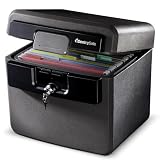
| Fire-rated and water-resistant document chest | SentrySafe fire and water chests, First Alert fire and water chests | Passports, deeds, birth certificates, backup drives | Makers list fire ratings with a time and temperature, plus a water-resistance statement | Light, easy to carry off; thin steel offers little burglary protection |
| Fire-rated floor or wall safe with bolt-down holes | SentrySafe and Honeywell fire and water safes | All-round home use | Pre-drilled anchor holes, electronic or key lock, fire rating | Fire rating does not equal burglary rating |
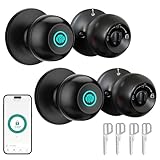
| Biometric quick-access safe | Barska biometric safes, Stack-On personal safes | Nightstand or closet storage of small items | Fingerprint reader plus backup key or code | Thin walls; fingerprint readers can misread wet or worn fingers |
| Burglary-rated gun-style or jewelry safe | Liberty, Cannon, Fort Knox, Stack-On security safes | Jewelry, cash, valuables | Thicker steel, multiple live bolts, relockers on some models | Heavy, costly, may need professional installation |
| In-wall or in-floor concealed safe | Various makers, including Honeywell and Barska hidden-compartment lines | Out-of-sight storage of small items | Concealed install between studs or in a concrete slab | Fixed capacity; installation work required |
How to Think About Safe Ratings
The two ratings buyers confuse most are fire ratings and burglary ratings. They measure different things, and a safe that is strong in one can be weak in the other.
Fire ratings
Fire-rated home safes are usually described by a time and a temperature, such as a stated number of minutes or hours at a given furnace temperature, with a limit on how hot the interior may become. Makers who submit to independent laboratories, for example classification under UL 72, say so in their literature. Paper chars at lower temperatures than electronics, so documents and digital media have different needs. Many makers list a separate rating for USB drives, discs and photographs, because those items are more sensitive to heat and humidity than paper. Read the exact wording on the maker’s page, and note whether the rating applies to the whole product or only to certain models in a line.
Water resistance
Water-resistant statements from makers typically describe submersion for a set number of hours or exposure to firefighting hose water. They are not a promise that contents stay dry in every flood scenario. Some makers specify a depth and duration; others use looser language. If flooding is your main concern, look for a gasket-sealed door and a stated test, and consider placing the safe on an upper floor.
Burglary ratings
Burglary ratings, such as UL residential security container classifications, describe how long a safe resisted attack by tools under test conditions. A fire safe with thin walls generally has no such classification. If your priority is theft protection, look for the words “burglary rated” or a UL residential security container label and thicker steel construction, then compare door thickness and the number of locking bolts as listed by the maker.
Top Picks by Need
1. SentrySafe fire and water safes: the all-round choice
SentrySafe is one of the most widely sold home-safe brands, and its fire and water lines cover chests, small safes and mid-size safes. The maker lists fire protection for a stated duration and water protection for a stated period, and many models in the range offer either a key lock or an electronic keypad. Reviewers commonly highlight the straightforward programming and the roomy interior of the mid-size units. Trade-off: the exterior shells are not built to resist a determined burglar, so these suit paperwork and irreplaceable media more than jewelry or large amounts of cash. Budget to mid-range tier depending on the size.
2. Honeywell fire and water safes: a close alternative
Honeywell-branded safes follow a similar formula: fire and water ratings listed by the maker, a digital lock, and pre-drilled holes for anchoring. Reviewers frequently describe them as comparable in function to SentrySafe equivalents, so the decision often comes down to size, door swing, interior layout, and which fire rating is listed. Compare the exact wording on each rating. Budget to mid-range tier.
3. First Alert fire and water chests: portable document protection
First Alert makes compact, handle-carried chests aimed at passports, birth certificates, flash drives and small backups. The portability is the value: you can grab the chest in an evacuation. The same portability is the weakness, since a thief can walk out with it. If you choose a chest, think about bolting it to a closet floor or storing it somewhere not obvious. Budget tier.
4. Barska and Stack-On biometric safes: fast access to small items
Biometric safes use a fingerprint reader as the primary opener, with a backup key or code. They suit a nightstand or a closet shelf, where speed matters more than steel thickness. Makers list the number of fingerprints that can be stored and the capacity, and some include interior lighting. Reviewers note that fingerprint readers can be less reliable if your fingers are wet, dirty or very dry, so keep the backup access method somewhere safe but separate. The steel on this category is usually thin, so treat these as convenience and casual-access boxes. Budget tier.
5. Liberty, Cannon, Fort Knox and Stack-On security safes: for jewelry, cash and collectibles
If theft is the main worry, step up to a heavier safe whose maker lists thicker door and body steel, multiple solid bolts, and, on some lines, a UL residential security container classification. Many also carry a fire rating, though the figures vary widely by model. These are heavy and benefit from professional delivery. Many buyers anchor them to concrete. Premium tier.
Pick X If… Decision Table
| Pick this | If you want | Watch for |
|---|---|---|
| SentrySafe or Honeywell fire and water safe | Protection for passports, titles, wills and backup drives | Read the fire-rating wording; anchor the safe |
| First Alert fire and water chest | A grab-and-go box for a few essential documents | Easy to carry away; not a theft deterrent |
| Barska or Stack-On biometric safe | Fast access to small items, such as keys or a few valuables | Thin walls; keep the backup key secure |
| Liberty, Cannon, Fort Knox or similar security safe | Real theft resistance for jewelry, cash, heirlooms | Weight, floor loading, delivery, installation |
| In-wall or in-floor safe | Out-of-sight placement with limited space | Fixed size; construction work |
Fit, Size and Placement Notes
- Measure the contents first. Makers list interior volume in cubic feet and often give interior dimensions. Laptops, binders and legal-size folders fit differently than the volume figure suggests, because insulation and shelving take space.
- Allow for door swing. A safe in a closet needs clearance for the door to open fully, and some models have doors that swing wider than the body.
- Anchor it. Most home safes include pre-drilled holes for bolting to a floor or wall. A safe that stays put is much harder to remove. Use the hardware the maker supplies or specifies.
- Think about weight. Heavier safes are harder to move but may exceed what a wooden upper floor is designed to carry. If unsure, ask a contractor or consult the maker’s floor-loading guidance.
- Location. Basements are more exposed to flood and humidity; upper floors are more exposed to fire collapse. A ground-floor closet bolted to the slab is a common compromise, but local conditions matter.
Care and Safety Notes
- Replace batteries in electronic locks on a regular schedule using the battery type stated in the manual, and keep the emergency key or override in a separate secure place.
- Keep a desiccant pack inside to limit moisture, and replace it periodically. Humidity can damage paper, photos and electronics even in a sealed fire safe.
- Do not store ammunition, flammable materials or lithium batteries in a safe without reading the manufacturer’s guidance. Firearm storage is subject to local laws; follow them and the maker’s manual, and consider a safe designed for the purpose.
- Write down the combination or register the safe with the maker, if the maker offers a registration process, so that you can recover access if you forget the code.
- Tell a trusted person, such as a spouse or an attorney, where the safe is and how to open it in an emergency. Inheritance documents are of little use if no one can retrieve them.
Budget Tiers at a Glance
| Tier | What you typically get | Trade-off |
|---|---|---|
| Budget | Small fire chests, basic biometric boxes | Limited capacity and thin steel |
| Mid-range | Larger fire and water safes with digital locks and anchor holes | Good for paperwork, limited theft resistance |
| Premium | Heavy security safes with thick steel, multiple bolts, rated classifications | Weight, delivery and installation needs |
Alternatives to a Home Safe
- Bank safe deposit box. Suited for original documents and items you rarely need. Access is limited to bank hours, and contents are generally not insured by the bank, so check the terms with your bank and your insurer.
- Cloud and offline backups. For documents and photos, encrypted digital copies stored in two places reduce reliance on any single container. Keep a physical backup drive in a fire-rated box as well.
- Hidden-compartment furniture or wall-mounted lockboxes. Useful for small items when concealment, not strength, is the goal.
Frequently Asked Questions
Is a fire-rated safe also good against burglars?
Not necessarily. Fire ratings and burglary ratings measure different things, and many fire-rated safes have thin steel shells. If theft is your main concern, look for a safe the maker lists as burglary rated, with thicker steel and heavier bolts.
Should I bolt my safe down?
Yes, if the maker provides anchor holes, using the supplied hardware is a common step. An unanchored safe can be carried away and opened elsewhere. Follow the manual for the correct fasteners for your floor or wall type.
Can I keep electronics and hard drives in a regular fire safe?
Many makers list a separate, lower interior temperature limit for digital media because electronics are more heat-sensitive than paper. Look for a safe with a stated digital media rating, or use a smaller media-rated box inside a larger safe, and read the maker’s description closely.
Are biometric safes reliable?
Reviewers report that they are fast when they work, but fingerprint readers can struggle with wet, dirty or worn fingers. Choose a model with a backup key or code, and store the backup separately and securely.
How big a safe do I need?
List what you plan to store, measure the largest items, and choose a safe whose interior dimensions, not only the cubic-foot figure, fit them with some room for growth. Most buyers underestimate how quickly paperwork and keepsakes accumulate.
Where is the best place to put a home safe?
A closet or utility room bolted to a concrete slab or wall studs is common, since it is out of sight and avoids the extremes of fire collapse and flooding. Avoid obvious locations like the master bedroom closet if you can, and always follow the maker’s installation guidance.