Key takeaways
- Install alarms on every level, in each bedroom and outside sleeping areas, as local code and the maker direct.
- Keep alarms away from kitchens and bathrooms where steam and cooking fumes cause nuisance alerts, following the maker’s distance guidance.
- Do not disable or remove an alarm because of false alarms; relocate it or use a model with a hush feature instead.
- Replace the whole alarm at the end-of-life date printed on it.
- If an alarm sounds, leave the home and call emergency services. Do not rely on a phone notification as the only warning.
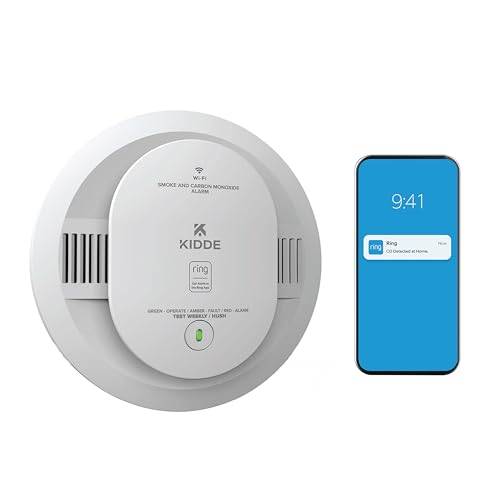
The best smart smoke detector for most homes is a Wi-Fi combination smoke and carbon monoxide alarm from a maker with a mature app, such as Kidde, while households that already own working hardwired alarms can add a listener like the Ring Alarm Smoke and CO Listener to get phone alerts without replacing them. Buyers should also look at Google Nest Protect and other previous-generation smart alarms only after confirming current availability, and renters can use battery-powered smart models that need no wiring.
Our top picks


As an Amazon Associate we earn from qualifying purchases at no extra cost to you.
Smart Smoke Detectors at a Glance
| Device type | Best for | Key stated features | Limits |
|---|---|---|---|
| Kidde smart smoke and CO alarms | Whole-home replacement with app alerts | The maker lists Wi-Fi connectivity, phone notifications, and smoke plus carbon monoxide sensing in combination models | Model lineup varies; confirm type (hardwire or battery) before buying |
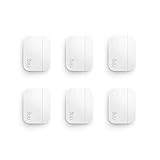
| Ring Alarm Smoke and CO Listener | Homes with existing alarms | The maker lists that it listens for the sound of existing smoke and CO alarms and sends notifications through the Ring system | It is not a smoke alarm itself and requires a Ring Alarm base station |
| Google Nest Protect (previous generation) | Existing Nest users | Smoke and CO sensing with app alerts and a voice announcement, as the maker described it | Reviewers and news outlets have reported Google winding down sales; confirm status before relying on it |
| First Alert smart alarms and Z-Wave models | Smart home hubs and hardwired homes | Smoke and CO combination alarms with connected features, depending on model | Some models need a hub or specific platform |
| SimpliSafe and similar security-brand alarms | People using the brand’s alarm system | Smoke and heat alerts that integrate with the monitoring service | Works best within the same ecosystem |
| Aqara and other Zigbee smoke detectors | Smart home enthusiasts with a hub | Zigbee connectivity and hub-based notifications | Requires a compatible hub and setup effort |
What Smart Features Add
A smart smoke detector does the same core job as a standard one: it senses smoke and sounds an alarm. The smart layer adds a notification to your phone when you are away, interconnected alerts that make every alarm in the home sound, and sometimes a voice announcement of the room involved. Many also send a low-battery or end-of-life warning to your phone rather than a chirp at night.
Smart features do not replace the basic safety requirements. Local building codes and fire safety guidance generally call for smoke alarms on every level, inside each sleeping area and outside sleeping areas, and carbon monoxide alarms near sleeping areas. Follow your local code and the manufacturer’s manual. Alarms have a limited life, commonly ten years, after which they should be replaced.
Key Features to Compare
Sensing technology
Ionization sensors respond quickly to fast, flaming fires, while photoelectric sensors respond to slow, smoldering fires. Fire safety organizations often suggest having both types or using dual-sensor alarms. Check which technology the maker lists on its product page.
Power: hardwired, battery or both
Hardwired alarms connect to household power with a battery backup and often interconnect with other alarms. Battery-only smart alarms are easier to install and suit renters, but you must monitor battery health. Replacing hardwired alarms may require a licensed electrician, especially if wiring or fixtures need modification. Turn off power at the breaker before replacing any hardwired alarm, or hire a professional.
Connectivity and alerts
Wi-Fi models talk directly to your router, while Zigbee or Z-Wave models need a hub. Confirm the platforms the maker supports, such as Alexa, Google Home or Apple Home, and whether alerts keep working during a power or internet outage. Local audible alarms should always work even if connectivity fails.
Testing and maintenance
Smart alarms often allow a remote or app-based test, but you should still use the test button and follow the manual. Clean dust from sensors per the maker’s instructions and never paint over an alarm.
Picks by Budget Tier
Budget tier
Budget smart options include battery-powered Wi-Fi smoke alarms from makers like Kidde and listener devices that make existing alarms smarter. A listener is often the most economical way to add notifications to a home that already has compliant alarms.
Mid-range tier
Mid-range models offer combined smoke and CO sensing, interconnect features and better apps. This is a sensible tier for most families replacing alarms at the end of their life.
Premium tier
Premium alarms, historically including Google Nest Protect, add features like voice alerts, path lighting and sensor self-tests. Because availability and support policies can change, confirm the maker’s current support commitment before paying a premium for a smart alarm.
Installation and Safety Notes
- Install alarms on every level, in each bedroom and outside sleeping areas, as local code and the maker direct.
- Keep alarms away from kitchens and bathrooms where steam and cooking fumes cause nuisance alerts, following the maker’s distance guidance.
- Do not disable or remove an alarm because of false alarms; relocate it or use a model with a hush feature instead.
- Replace the whole alarm at the end-of-life date printed on it.
- If an alarm sounds, leave the home and call emergency services. Do not rely on a phone notification as the only warning.
Pick X If… Decision Table
| Pick this | If your situation is |
|---|---|
| Kidde smart smoke and CO alarm | You are replacing alarms and want app alerts with combined sensing |
| Ring Smoke and CO Listener | You have working alarms and a Ring Alarm system |
| Nest Protect (if available) | You already use Nest and the maker still supports the device |
| First Alert connected alarm | You use a compatible hub or want a hardwired model |
| Zigbee smoke detector | You run a smart home hub and want local control |
Alternatives
- Standard interconnected alarms: Non-smart hardwired or wireless interconnected alarms meet code and are often cheaper.
- Monitored fire protection: A professionally monitored alarm system notifies a response center.
- Stand-alone CO alarms: If you only need CO detection, use a listed CO alarm per the maker’s placement guidance.
Frequently Asked Questions
Do smart smoke detectors work without Wi-Fi?
Yes, the audible alarm should still sound locally if the internet is down. You lose phone notifications until the connection returns. Always test the alarm using the test button.
How long do smart smoke alarms last?
Many alarms have a service life of about ten years from manufacture, which is printed on the device. Replace the alarm when the date passes, even if it appears to work.
Can I install a smart smoke detector myself?
Battery models are usually easy to mount. Hardwired models involve household wiring, so turn off power at the breaker, follow the manual or hire a licensed electrician.
Is a listener as good as a smart alarm?
A listener adds notifications to existing alarms but does not detect smoke itself, so it depends on those alarms working. It is a convenient upgrade, not a replacement for compliant alarms.
Do I need smoke and carbon monoxide detection both?
Yes, they detect different hazards. Combination alarms cover both, but follow local code on number and placement. If a CO alarm sounds, move outside and call emergency services.
What if my smart alarm goes off falsely?
Use the hush feature if available, ventilate, and check for steam or cooking fumes. If the cause is unclear, treat it as real and leave. Relocating the alarm per the manual often solves nuisance alerts.