For most homes, a magnetic contact sensor on each ground-floor window is the best starting point, with a glass break detector added for rooms that have large panes or sliding doors. If you already use a system such as Ring Alarm, SimpliSafe or Aqara, buy the sensors from that same ecosystem, because compatibility matters more than any small spec difference.
Window security sensors fall into two main groups. Contact sensors detect when a window opens. Glass break sensors listen for the sound or shock pattern of breaking glass. Vibration sensors, which some makers sell, sense knocks and impacts. Each has a different job, so the best choice depends on which entry points you want to cover and what your hub supports.
Our top picks


As an Amazon Associate we earn from qualifying purchases at no extra cost to you.
Window Sensors at a Glance
Features are as stated by the makers; they update products often, so read the current listing for your region.
| Sensor | Type | Best for | Key stated features | Limits |
|---|---|---|---|---|
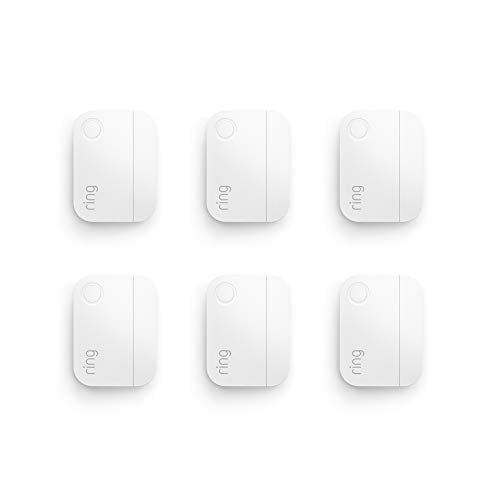
| Ring Alarm Window and Door Contact Sensor | Contact | Ring Alarm owners | Wireless, battery-powered, tamper detection, works with Ring base station | Needs Ring hub; limited use outside the Ring ecosystem |
| Ring Alarm Glass Break Detector | Acoustic | Rooms with large windows | Maker lists a detection range from the sensor | Ring ecosystem only |
| SimpliSafe Entry Sensor | Contact | SimpliSafe users | Wireless, battery life stated by the maker | Works with SimpliSafe base station only |
| SimpliSafe Glassbreak Sensor | Acoustic | Coverage of several windows from one spot | Maker lists a coverage range | Needs line of sight in the room |
| Aqara Door and Window Sensor | Contact | Smart home users with Matter or Zigbee hubs | Small size, battery powered, integrates with several platforms | Needs a compatible hub |
| Ecolink and Honeywell Home 5800-series | Contact and glass break | Traditional or professional panels | Compatible with many alarm panels, wide range of mounting types | Often professionally installed; check panel compatibility |
| Wyze Entry Sensor | Contact | Budget smart home users | Compact, works with Wyze hub | Needs the Wyze hub; basic features |
Types of Window Sensors
Contact sensors
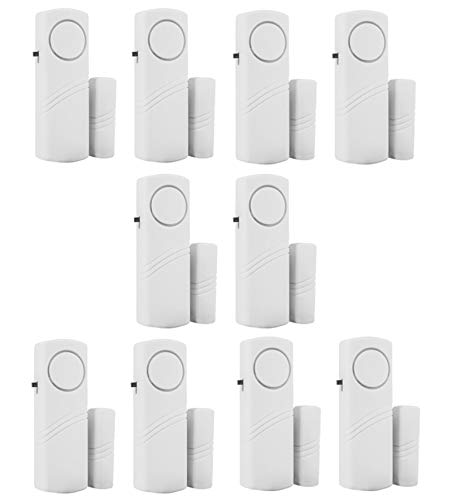
A contact sensor has two parts: a sensor body fixed to the frame and a magnet fixed to the moving sash. When the gap widens, the sensor sends a signal. These are small, easy to fit, and the most common choice. They detect opening but not breakage, so a thief who breaks glass without opening the sash may not trigger them.
Glass break sensors
These listen for the frequency profile of breaking glass, and some also sense the initial impact. Makers list a coverage radius; one detector can cover several windows in a room when placed correctly. Reviewers note that heavy curtains, blinds or sound-absorbing furniture can reduce effectiveness, and that laminated or tempered glass may sound different when broken. Read the maker’s listed glass types.
Vibration or shock sensors
Vibration sensors attach to the glass or frame and detect knocks. They are useful for sliding doors or windows where you want to catch tampering, but can cause false alarms from wind, traffic or storms if the sensitivity is set high.
Wired versus wireless
Wireless sensors are easiest to install and common in DIY kits. Wired sensors, used in older or professionally installed systems, don’t rely on batteries but need cabling. Most DIY buyers choose wireless for simplicity.
What to Check Before You Buy
- Ecosystem. Confirm the sensor works with your hub or panel. A sensor from another brand rarely pairs.
- Window type. Sliding, casement and double-hung windows need different mounting. Narrow frames may need a small sensor; double-hung windows may need two sensors to cover both sashes.
- Gap tolerance. Contact sensors work within a maximum gap between sensor and magnet, which the maker states. Misaligned installs cause false alerts.
- Battery type and life. Makers list expected life, usually measured in years. Cold or heat shortens it. Choose sensors with low-battery alerts.
- Tamper detection. Many sensors alert if someone opens the casing or pulls it off the wall.
- Finish. White and brown versions blend into frames. Look for finishes that match.
- Pet and storm false alarms. Contact sensors rarely false alarm from pets. Glass break and vibration sensors are more prone to false triggers during thunder or heavy wind.
Budget, Mid-Range and Premium Tiers
Budget: Single contact sensors from brands such as Wyze, or add-on sensors from starter kits. They suit renters and small apartments.
Mid-range: Contact and glass break sensors from Ring, SimpliSafe and Aqara. These integrate with app control, push alerts and routines, and are the best value for most homeowners.
Premium: Panel-connected sensors from Honeywell Home and similar, often installed by a security company and monitored. They are designed for long-term reliability, with options for hardwired connection and supervised wireless links.
Pick X If You Are…
| If this is you | Pick | Why |
|---|---|---|
| Using Ring Alarm | Ring contact sensors plus Ring glass break detector | Native pairing, single app |
| Using SimpliSafe | SimpliSafe Entry and Glassbreak sensors | Designed to pair with the base station |
| Building a smart home with Matter or Zigbee | Aqara contact sensors | Works across several smart home platforms |
| Renting and on a tight budget | Wyze Entry Sensor or similar | Small, peel-and-stick, easy to remove |
| Covering a room with large windows or a patio door | Glass break detector | One unit can cover several panes |
| Wanting professional monitoring | Panel-compatible sensors from Honeywell Home or Ecolink | Works with traditional alarm panels |
Installation and Placement Notes
- Clean the frame and sash so the adhesive bonds.
- Mount the sensor body on the fixed frame and the magnet on the moving part, aligned within the gap the maker specifies.
- Test the sensor by opening the window and watching for the app alert.
- Place glass break detectors where they face the windows, within the listed range, and away from noisy appliances.
- Test sensors regularly and replace batteries when low-battery alerts appear.
Fire, Storm and Safety Considerations
Window sensors are a security tool, not a safety device. They do not detect smoke, carbon monoxide or flooding. If you want those, buy separate certified detectors, and install them as directed by their manuals and local codes. Also note that bedroom windows are escape routes. Do not block or lock windows in ways that stop quick exit during a fire, and make sure everyone knows how to open them. In storm-prone areas, wind can rattle windows and cause false triggers on vibration sensors, so adjust sensitivity.
Alternatives
- Window locks and bars with release. Physical hardware such as pin locks or secondary latches adds a physical barrier. If using bars, choose models with quick release for escape.
- Security film. Film holds glass together when struck, delaying entry. It is typically installed by a professional.
- Motion sensors and cameras. Interior motion detectors and cameras cover rooms rather than specific windows. Good for open plans.
- Smart alarm kits. A complete starter kit often includes contact sensors at a lower combined cost than buying individually.
Smart Home Routines and Alerts
Most sensor systems let you choose what happens when a window opens. You might get a silent push alert while you are home, a siren when the system is armed, or a light turned on by a routine. Use home and away modes so that sensors on upstairs bedroom windows are not triggering at night when you open them for air. Review alert history now and then, because repeated open events can show a window that does not latch. Keep the hub on a battery backup if the maker offers one so that sensors still report during a power cut.
Frequently Asked Questions
Do I need a sensor on every window?
Not necessarily. Many people cover ground-floor windows, basement windows and any upper windows reachable from a roof or porch. A glass break detector can cover several panes in a room.
Can contact sensors be used on sliding doors?
Yes, most can, as long as the sensor and magnet align when closed. For wide sliding doors, a glass break detector adds another layer.
How long do the batteries last?
Makers typically list battery life in years, depending on model and use. Extreme temperatures can shorten it. Use low-battery alerts in the app and replace batteries promptly.
Will sensors work without Wi-Fi?
The sensor talks to the hub or panel by radio, not Wi-Fi. Alerts to your phone usually need internet, though many systems still sound a local siren during an outage if the hub has battery backup, as the maker states.
Do sensors cause false alarms?
Contact sensors rarely do if aligned correctly. Glass break and vibration sensors are more prone to false alerts from storms, loud noises or heavy wind. Follow the placement guidance and adjust sensitivity.
Are window sensors enough for home security?
They are one layer. Doors, cameras, lighting and good habits like locking up all matter. If you want help choosing, a licensed security installer can assess your home.