Key takeaways
- Budget: adjustable bars, wedges, and simple pin locks.
- Mid-range: foot-lever locks and higher-quality bars.
- Premium: keyed or smart locks, professionally installed hardware, and integrated alarms.
For most homes, a combination of a sturdy patio door security bar and a secondary lock on the door frame suits sliding doors best, while renters or those who cannot drill are better served by a no-drill bar or foot-lever lock, and anyone wanting an alarm-based layer can add a contact sensor. The best choice depends on whether you own or rent, how your door is built, and whether you need quick exit in an emergency.
Our top picks


As an Amazon Associate we earn from qualifying purchases at no extra cost to you.
At a Glance: Sliding Door Lock Types
| Type | Best for | Key points | Limits |
|---|---|---|---|
| Adjustable security bar (Ideal Security-style, Master Lock-style) | Renters and quick extra security | Rests in the track or against the frame; no drilling; adjustable length | Stops sliding only; can be removed by someone inside; fit varies |
| Foot-lever lock (Prime-Line, Defender Security) | Easy daily use | Mounts at the bottom of the door; operated with your foot or hand | Screws into the door; installation affects strength |
| Pin or bolt lock (Prime-Line style) | Secure and permanent | A pin or bolt through the door and frame; the maker lists a metal pin design | Requires drilling; can reduce the door finish |
| Charley bar (folding bar) | Traditional bracing | Hinged bar that rests across the door | Bulky; takes time to remove |
| Wedge or door jammer lock | Travel, temporary use | Small, portable | Lower security than fixed locks |
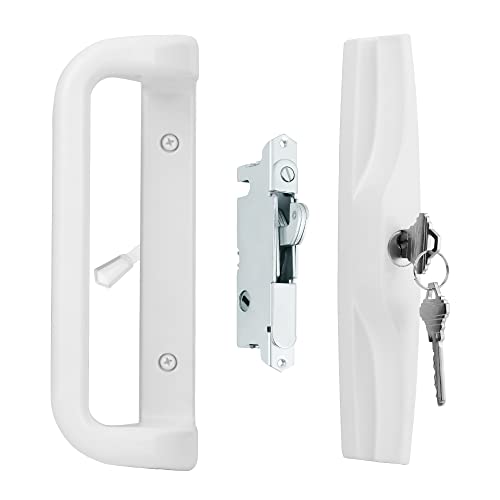
| Keyed or smart sliding door lock | Buyers wanting keyed access | Replaces or supplements the factory latch | Compatibility depends on door model |
| Contact sensor alarm | Adding detection | Alerts when the door opens | Alerts only; does not block entry |
Brand and model names change often. The brands above are examples of categories, so confirm the current product and its stated fit range on the maker’s page.
Why Sliding Doors Are Vulnerable
Sliding patio doors are commonly built with a basic latch that can be pried or lifted off the track. Many have a single latch hook, and the door panel can sometimes be lifted out of its track. A good setup addresses both problems: a bar or bolt that stops sliding and, if the maker advises it, an anti-lift measure that keeps the panel in the track. Locks add effort for a thief but cannot guarantee safety. Also consider lighting, cameras, and visibility.
What to Look For
Door type and measurements
Measure your door and track before buying. Security bars are adjustable, but the range is limited by the product. Doors with deep tracks, vinyl frames, or unusual shapes may require a particular type. Read the maker’s fitting guide.
Materials
Steel and thick aluminum resist bending better than thin plastic. Look for a rubber or padded end that does not scratch the frame or door.
Ease of use and emergency exit
Locks that are hard to operate are often left unused. Choose one that everyone in the household can open quickly, especially in an emergency such as a fire. Locks that need keys to open from inside can be a hazard. Check local building and fire codes, and follow the maker’s instructions.
Installation method
No-drill bars and wedges suit renters. Pin and foot-lever locks usually require screws or holes. If you rent, ask your landlord before making permanent changes.
Secondary protection
Window film, security lighting, and sensors add layers. Glass is a weak point in many sliding doors, so a lock alone does not address it.
Product Notes
Security bars
Adjustable patio door bars, including those from Ideal Security and Master Lock, are a quick and affordable layer. Reviewers describe them as simple and effective at blocking sliding, though they must be used consistently to be useful. Choose one with a sturdy build and a non-marking end cap.
Foot-lever locks
Prime-Line and Defender Security are among the makers listing foot-lever style locks that mount to the bottom rail. These make everyday locking easy and hold the door more firmly than a basic latch. Mounting needs care, and the screws should bite into solid material.
Pin locks
A pin lock goes through the sliding panel and the frame, so the door cannot be opened or lifted. It is a more permanent option best suited to owners who accept drilling.
Charley bars
These fold flat against the door when not in use. They suit people who prefer a traditional approach but are bulkier.
Smart and keyed locks
Some makers sell keyed or smart locks for sliding doors, and fit depends on the door brand. Follow the compatibility list carefully and consider a professional installation.
Door alarms and contact sensors
Systems from brands such as Ring, SimpliSafe, and others offer contact sensors that signal when the door is opened. They work alongside a lock and add notification.
Budget Tiers
- Budget: adjustable bars, wedges, and simple pin locks.
- Mid-range: foot-lever locks and higher-quality bars.
- Premium: keyed or smart locks, professionally installed hardware, and integrated alarms.
Pick X If… Decision Table
| If you… | Pick | Reason |
|---|---|---|
| Rent and cannot drill | Adjustable security bar | No installation damage |
| Want easy daily locking | Foot-lever lock | Quick to operate |
| Own and want a permanent solution | Pin lock plus bar | Stronger layered defense |
| Travel often | Portable wedge | Small and easy to carry |
| Want alerts | Contact sensor | Notifies you when the door opens |
Installation and Safety Notes
- Read the maker’s instructions before drilling or mounting.
- Test the door for smooth movement; a binding door may have a worn track or rollers that need servicing.
- Keep an exit route in mind for emergencies, and make sure everyone knows how to release the lock.
- If the door lifts out of the track, ask the door maker or a qualified installer about anti-lift hardware.
- Do not block the only emergency exit with a lock that needs a key.
Alternatives
- Replacing the door: modern sliding or hinged patio doors can have better locking built in.
- Security film on glass: slows glass breakage attempts.
- Outdoor lighting and cameras: deter attempts and record activity.
Maintaining the Door Itself
A lock works best on a door that runs smoothly and sits properly in its track. Dirt, worn rollers, and a bent track make the door loose and easier to pry. Clean the track with a vacuum and a damp cloth, and lubricate the rollers using a product the door maker allows. If the door still binds or rattles, ask the door maker or a qualified installer about replacement rollers.
It also helps to inspect the factory latch. Many latches loosen over time, and a worn hook may not engage fully. Tighten or replace it following the door maker’s instructions. When you add a secondary lock, place it so that it works with the latch rather than blocking its movement.
Combine hardware with habits: lock the door whenever you leave or go to bed, keep the track free of items that could be used to hide a bar, and keep valuables out of view from the patio. Good lighting outside and a visible sign of an alarm or camera also discourage opportunistic entry.
Layering for Different Households
A family with young children may want a lock mounted high on the frame, out of a child’s reach, plus a sensor that chimes when the door opens. A household with older adults should prioritize a lock that releases easily with one hand. Pet owners with a sliding door pet flap should remember that the flap can be a weak point and follow the maker’s advice on securing it.
Mistakes to Avoid
The most common mistake is buying a lock that does not match the door. Measure the track depth and the gap between the sliding panel and the frame before purchase. Another is relying on a single device: a bar can be forgotten, and a latch can fail. A third is fitting a lock that requires a key from the inside, which can slow escape in a fire. Finally, avoid placing a bar so loosely that it rattles; a snug fit is more effective and quieter.
Frequently Asked Questions
What is the best sliding door lock for renters?
An adjustable security bar or a wedge-style lock needs no drilling and is easy to remove. Ask your landlord before making any changes that could mark the door.
Is a security bar enough on its own?
It can block sliding, but a thief may attack the glass or lift the door. A bar works best as part of a layered setup with a latch, lighting, and a sensor.
Can a sliding door be lifted off its track?
Some can, especially older designs. Anti-lift hardware or a pin lock helps. Read the door maker’s guidance or ask a qualified installer.
Are foot-lever locks secure?
They are an improvement over a basic latch for many doors, especially when properly installed. Their strength depends on the screws and the material they bite into.
Will a lock slow me down in an emergency?
Choose a lock that can be released quickly from inside without a key, and practice with everyone in the household. Check local fire and building rules if unsure.
Do I need a professional to install a sliding door lock?
Not for most bars and wedges. For pin locks, keyed or smart locks, and anti-lift hardware, a professional or locksmith can help ensure correct fit and strength.