Key takeaways
- Steel gauge: A lower gauge number means thicker steel. Entry safes use thin steel, while heavier safes use thicker plate and may add composite layers.
- Locks: Mechanical dial, electronic keypad, biometric or key. Electronic keypads are fast, and mechanical dials do not rely on batteries.
- Bolts and hinges: More and thicker bolts and protected hinges resist prying.
- UL listing: A Residential Security Container (RSC) rating from UL means the safe passed a short lab attack test, which the maker will state if applicable.
- Fire rating: Makers list time and temperature. Independent testing methods vary, so compare like for like.
For most households, a mid-size long-gun safe from a brand such as Liberty, Cannon, Fort Knox or Stack-On suits storing rifles and valuables at home, a smaller quick-access safe such as the Hornady RAPiD or Vaultek line suits a handgun kept near the bedroom, and a fire-rated model suits owners who also want to protect documents. Choose by what you store, where it will sit, how fast you need access and what local law requires.
Our top picks


As an Amazon Associate we earn from qualifying purchases at no extra cost to you.
Understand What You Are Buying
Gun safes vary widely in construction, and marketing terms can be confusing. Two ideas matter most: security against theft and tampering, and protection from fire. Neither is guaranteed by a brand name alone. Read the manufacturer’s stated steel thickness, lock type, bolt count and independent ratings.
- Steel gauge: A lower gauge number means thicker steel. Entry safes use thin steel, while heavier safes use thicker plate and may add composite layers.
- Locks: Mechanical dial, electronic keypad, biometric or key. Electronic keypads are fast, and mechanical dials do not rely on batteries.
- Bolts and hinges: More and thicker bolts and protected hinges resist prying.
- UL listing: A Residential Security Container (RSC) rating from UL means the safe passed a short lab attack test, which the maker will state if applicable.
- Fire rating: Makers list time and temperature. Independent testing methods vary, so compare like for like.
At a Glance: Safe Types and Brands
| Type / brand | Best for | Key stated features (per maker) | Limits |
|---|---|---|---|
| Liberty (for example Centurion, Fatboy lines) | Long guns and general home storage | Range of sizes, fire-rated options, electronic or dial locks | Heavy; needs bolting down and delivery planning |
| Cannon Safe | Buyers wanting a mid-range long-gun safe | Multi-bolt doors, fire protection options, several sizes | Check stated fire rating and steel gauge by model |
| Fort Knox (for example Defender line) | Premium security and fire protection | Thicker steel, extensive bolting, higher fire rating claims | Heavier and a larger investment |
| Stack-On | Entry-level cabinets and safes | Lighter steel, multiple size options, budget-friendly | Thinner steel and less fire protection; closer to a locking cabinet |
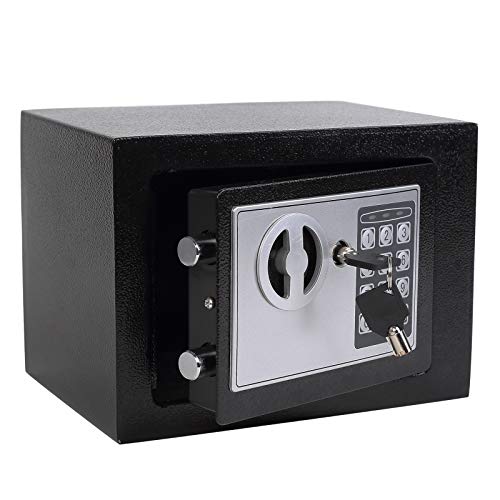
| Hornady RAPiD safe | Quick-access handgun storage | Fast RFID or keypad opening, compact, bolt-down options | Small; limited fire and attack resistance |
| Vaultek and similar bedside safes | Portable, bedside handgun storage | Keypad or biometric, battery-powered, mounting options | Light steel; not meant for heavy theft resistance |
| SentrySafe fire-rated safes | Documents and a few valuables | Fire and water rated models, compact sizes | Not all models are designed for firearms or security |
Long-Gun Safes
For rifles and shotguns, brands such as Liberty, Cannon, Fort Knox and Stack-On offer a range of sizes. Reviewers commonly note that capacity ratings are optimistic, so choose a safe that holds more guns than you own, because scopes, magazines and added valuables take space. Compare the maker’s stated body steel, door thickness and bolt count. Heavier safes resist forced entry better but require planning for delivery and floor load.
Fire protection is a separate consideration. Some makers list one-hour or longer ratings at a stated temperature, but testing standards are not uniform, so treat fire claims as a rough guide rather than a promise.
Quick-Access Handgun Safes
A small safe near where you sleep or by the front door can be opened quickly and still keep a handgun away from children and visitors. The Hornady RAPiD safe and models from Vaultek, Barska and others use keypad, RFID or biometric access, according to the makers. These are not built to resist a determined burglar, so bolt them down using the supplied hardware and consider a cable or anchor to deter easy removal. Check battery indicators regularly, and keep a backup key or method of access as the maker suggests.
Fit, Placement and Compatibility Notes
- Weight and floor: Large safes can weigh several hundred pounds. Confirm floor load, stairs and door widths before delivery.
- Anchoring: Bolt the safe to the floor or wall studs as the manual instructs. An unanchored safe can be tipped or carried away.
- Location: A closet or corner limits pry access. A damp basement needs moisture control.
- Moisture: Use a dehumidifier rod or desiccant to protect firearms and documents from rust and mold.
- Interior layout: Look at shelves, door organizers and barrel rests that fit your firearms.
- Locks and power: Electronic locks use batteries; replace them on schedule.
Safety and Legal Notes
Safe storage reduces the risk of theft, accidents and misuse. Laws on firearm storage, child access prevention and transport differ by state and country, and some places require approved locking devices or listed safes. Check local regulations and the rules in your jurisdiction. Firearms should be stored unloaded unless local law and your own safety plan say otherwise, and ammunition may need separate storage. For questions about legal requirements, consult local authorities or a qualified professional. Use a gun safe as one layer alongside responsible handling, training and a secure home.
Budget Tiers
Budget
Stack-On and entry SentrySafe models, suitable for basic child access prevention and limited theft deterrence but not for serious attack resistance.
Mid-range
Liberty and Cannon safes, with thicker steel, more bolts and some fire protection, suitable for most homes.
Premium
Fort Knox and heavy Liberty models with thicker plate, extended fire ratings and strong locks, for valuable collections.
Pick X If… Decision Table
| Pick this | If you need |
|---|---|
| Liberty or Cannon long-gun safe | Balanced security and fire protection for rifles and shotguns |
| Fort Knox | Heavy-duty security and higher fire ratings |
| Stack-On | A lower-cost cabinet for basic storage and child safety |
| Hornady RAPiD | Fast access to one handgun at a bedside or entry |
| Vaultek bedside safe | Compact, battery-powered access with mounting options |
| SentrySafe fire safe | Documents and small valuables with fire and water protection |
Alternatives to Consider
- Locking cabinets: Cheaper but easier to defeat.
- Trigger and cable locks: Add a layer of child safety, but do not replace storage in a safe.
- Wall or under-bed safes: Space-saving options for handguns.
- Bank safe deposit box: For valuables you rarely need.
Reading the Specification Sheet
When comparing safes, ask for the same details from each maker: body steel thickness, door construction, number and diameter of live locking bolts, hinge protection, lock type and any independent ratings. Terms such as military-grade or commercial-grade have no standard definition, so rely on measurable specifications. Compare weight as well, since heavier safes tend to use more steel and are harder to move.
Fire ratings deserve the same scrutiny. A maker may state a rating in minutes at a given temperature, but the test method, whether it was done by an independent lab, and how the safe was prepared all vary. Interior fire seals and door gaskets matter, and so does keeping the safe away from the likeliest fire sources. Finally, find out what delivery and installation involve, whether there is a warranty on the lock and the body, and how the company handles lockouts, so you know what happens if a keypad fails or a code is forgotten.
Maintenance and Daily Use
A safe needs a little care. Replace keypad batteries on a schedule, test the lock regularly, and keep a written record of the combination or backup key in a separate secure place, not inside the safe. Wipe interior surfaces and re-check desiccant or dehumidifier rods every few months, especially in humid regions, since moisture damages firearms, ammunition and documents.
Think about who needs access. Households with children should store firearms and ammunition so that children and unauthorized visitors cannot reach them, and adults should practice opening a quick-access safe in low light so the process is familiar. Do not share combinations casually, and change codes if someone who knew them leaves the household. Finally, tell your home insurer about the contents if the policy has limits on firearms or valuables, and ask whether a safe with a listed rating affects coverage. If unsure about any legal or insurance requirement, ask local authorities or the insurer directly.
Frequently Asked Questions
Do I need a fire-rated gun safe?
If you also store documents or irreplaceable items, fire protection is useful. Ratings vary by test, so compare the maker’s stated time and temperature, and keep in mind that no safe is fireproof forever.
What lock type is best?
Electronic keypads open quickly, mechanical dials need no batteries, and biometric locks suit single users. Choose based on access speed, reliability and your comfort level, and keep a backup access method.
How big a safe should I buy?
Buy larger than your current collection. Stated gun capacities usually assume no scopes or accessories, so real capacity is often lower than listed.
Should I bolt the safe down?
Yes. Anchoring to the floor or studs, per the manufacturer’s instructions, makes theft and tipping much harder.
Are small bedside safes secure?
They give quick access and keep children away, but light steel limits resistance to tools. Mount them securely and treat them as access control, not vault protection.
Are there legal requirements for storing firearms?
Often, yes, and they differ by location. Review local and state laws on storage, child access and transport, and consult local authorities if unsure.
More from Amazon
Programs that pair well with the guide above. Offers and eligibility are set by Amazon and may change.
Free shipping on eligible items, Prime Video and more. Eligible new members can start with a free trial.
Start a Prime free trialAudiobooks and podcasts to listen to on the go. Eligible new members can start with a free trial.
Try Audible freeAd-free music streaming. Eligible new subscribers can start with a free trial.
Try Music Unlimited freeA free business account with business pricing and bulk-buying tools for work, shop or home office.
Create a business accountAs an Amazon Associate we earn from qualifying purchases.