Key takeaways
- Connectivity: Wi-Fi, cellular or both. Confirm the carrier bands the maker lists and whether coverage matches the regions you travel.
- Power: Battery with solar, plug-in, or hardwired. Solar helps if your RV is parked in sun, but panels need direct light.
- Weather rating: Makers state an IP rating for dust and water resistance. Look for one suited to rain, dust and temperature extremes.
- Storage: microSD for local recording and cloud for off-site backup. Local storage works without a signal, but a thief could take the camera.
- Alerts and detection: Person and vehicle detection reduce false alarms from wind and wildlife.
- Siren and spotlight: Some models have a built-in siren or light, which can deter a casual intruder.
For an RV, a battery or solar-powered Wi-Fi camera such as the Eufy SoloCam or Blink Outdoor works for campgrounds with good Wi-Fi, while a cellular camera such as the Reolink Go series is the better pick when you park where there is no Wi-Fi at all. Budget buyers who stay at powered sites can use a plug-in Wyze outdoor-capable camera, and anyone who wants cameras that keep running while parked should plan for power, mounting and a data connection before picking a model.
Our top picks

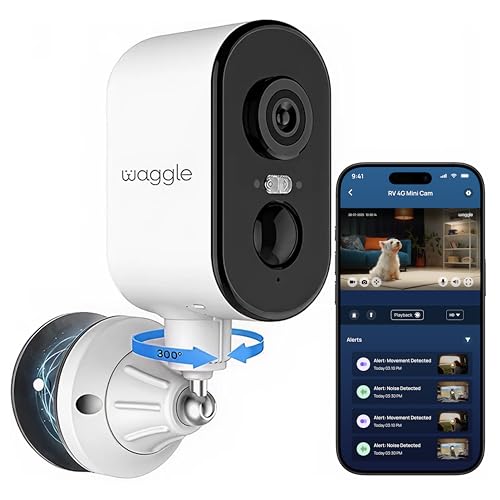

As an Amazon Associate we earn from qualifying purchases at no extra cost to you.
RV Security Cameras at a Glance
| Camera | Best for | Key stated features | Limits |
|---|---|---|---|
| Reolink Go series (cellular) | Remote sites with no Wi-Fi | The maker lists 4G LTE connectivity, a SIM slot, battery power with optional solar panel and local microSD storage | Needs a data plan; coverage depends on the carrier |
| Eufy SoloCam series | Campground Wi-Fi with local storage | The maker lists battery power, optional solar, local storage and human detection | Needs Wi-Fi in range, battery life varies with activity |
| Blink Outdoor 4 | Budget buyers using Alexa | The maker lists battery power, motion detection and a sync module | Cloud plan or local storage setup needed for full features; needs Wi-Fi |
| Wyze outdoor-capable cameras | Budget plug-in use at powered sites | The maker lists microSD recording, night vision and app control | Needs a power source and weather protection |
| Arlo outdoor cameras | Buyers wanting a full ecosystem | Battery or solar models with cloud and smart features | Subscriptions needed for many features |
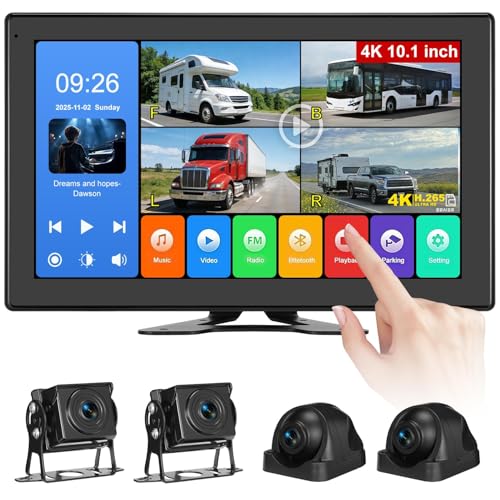
| Dedicated RV backup/side camera systems | Driving visibility rather than theft security | Wired 12V systems with a monitor | Not designed for remote security alerts |
What Makes an RV Different
An RV is a small, mobile, often unattended space parked in places with unreliable connectivity. That changes how you choose a camera. Power, internet and mounting are the three problems to solve. Many campgrounds offer Wi-Fi that is weak or crowded, so a camera that depends on it may drop out. A cellular camera avoids that, at the cost of a data plan. Power can come from a battery, a small solar panel, or the RV’s own 12V or shore power, depending on the model.
Mounting is another issue. Cameras attached with adhesive or magnets can fall off or be removed. Camera mounts that attach to a bracket, an awning arm or a window are an option, but do not drill into the RV roof or walls without following the manufacturer’s guidance, as improper penetrations can cause leaks.
Key Features to Compare
- Connectivity: Wi-Fi, cellular or both. Confirm the carrier bands the maker lists and whether coverage matches the regions you travel.
- Power: Battery with solar, plug-in, or hardwired. Solar helps if your RV is parked in sun, but panels need direct light.
- Weather rating: Makers state an IP rating for dust and water resistance. Look for one suited to rain, dust and temperature extremes.
- Storage: microSD for local recording and cloud for off-site backup. Local storage works without a signal, but a thief could take the camera.
- Alerts and detection: Person and vehicle detection reduce false alarms from wind and wildlife.
- Siren and spotlight: Some models have a built-in siren or light, which can deter a casual intruder.
Picks by Budget Tier
Budget tier
Blink Outdoor 4 and Wyze cameras give basic coverage at modest cost. They work well for stationary stays at campgrounds with dependable Wi-Fi or at a seasonal site. Be aware that budget Wi-Fi cameras can lose connection when you move and need reconfiguring at each campground.
Mid-range tier
Eufy SoloCam and Arlo models add solar options, local storage and better detection. They suit full-timers and frequent travelers who want a camera that can run for weeks between charges. Reviewers often point to Eufy’s local storage as a plus for people who dislike monthly fees.
Premium tier
Cellular cameras such as the Reolink Go line cost more and need a data plan but solve the connectivity problem. They suit boondockers and those parking in remote locations. Cellular cameras also make sense for storage lots and seasonal sites that have no Wi-Fi.
Placement and Installation Notes
- Cover the main door, the storage bays and the area around the hitch or tow vehicle if possible.
- Point cameras at entry points rather than open sky or moving trees to reduce false alerts.
- Use a secure mount or a bracket that can be locked, so the camera is harder to remove.
- If you use a solar panel, aim it at the sun and keep it clean; follow the maker’s guidance on cabling.
- If you hardwire a camera to the RV’s 12V system, use a fused connection and consult a qualified RV technician or electrician if you are not experienced. Incorrect wiring can create a fire hazard.
- Stay within campground rules, and respect neighbors’ privacy by avoiding views into other sites.
Pick X If… Decision Table
| Pick this | If your situation is |
|---|---|
| Reolink Go cellular camera | You park off-grid or in storage with no Wi-Fi |
| Eufy SoloCam | You want local storage and solar, and have Wi-Fi at your sites |
| Blink Outdoor 4 | You want a low-cost option and use Alexa |
| Wyze camera | You have power at your site and want a budget plug-in camera |
| Arlo camera | You want a broader ecosystem and accept subscription costs |
Alternatives
- Wired RV backup camera system: Good for driving visibility, not theft alerts.
- GPS tracker: A tracker on the trailer or tow vehicle can help locate stolen property and pairs well with a camera.
- Door and window sensors or alarms: Low-power sensors can alert you to entry even when cameras cannot connect.
Frequently Asked Questions
Do I need a cellular camera for an RV?
Only if you park where there is no reliable Wi-Fi. A cellular camera needs a data plan and carrier coverage but works independently of campground networks. If you mostly stay at sites with good Wi-Fi, a Wi-Fi camera is cheaper.
How long does a battery camera last in an RV?
Makers give estimates that depend on activity, temperature and settings, ranging from weeks to months. Cold weather and frequent motion events shorten battery life. A small solar panel can extend it if the camera gets sunlight.
Can I run a camera from the RV battery?
Some cameras can be wired to a 12V system through an appropriate adapter. Use a fused connection and follow the maker’s wiring guidance, and consult a qualified technician if unsure.
Will campground Wi-Fi work for cameras?
Sometimes, but it is often slow, shared and requires a login page that cameras cannot pass. A personal travel router or a cellular camera is more reliable.
Are RV cameras waterproof?
Outdoor models list an IP rating from the maker. Choose one rated for rain and dust, and use covers or mounts that shield connectors from direct weather.
Is it legal to record around my RV?
Rules vary by location and campground. Avoid recording audio of other people without notice and avoid pointing cameras at neighbors’ sites. Read the campground rules and local law.