Key takeaways
- When the grid drops, most households want the same short list kept alive: a refrigerator, a modem, a few lights, phone chargers.
When the grid drops, most households want the same short list kept alive: a refrigerator, a modem, a few lights, phone chargers, maybe a medical device or a sump pump. A battery powered generator can do that quietly and without exhaust, which is why shoppers are moving away from gas units for home backup. The catch is that the word “home” covers everything from a router-and-lamp setup to a panel-connected system, and the right model changes completely depending on which one you mean.
This guide compares six battery units that their listings position for blackouts or home backup, from a small 292Wh box to systems above 3000Wh. As a 2026 buyer you should decide first whether you need to ride out an evening or several days, then check capacity, AC output and solar input against that plan. Everything below is judged only on listed figures, and cost is described as budget, mid-range or premium.
Quick Picks
Our top picks


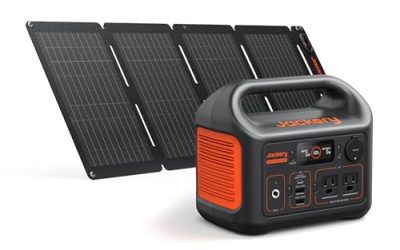
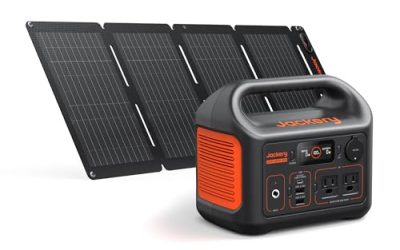
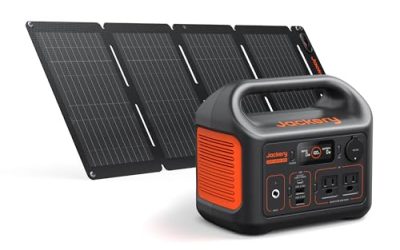
 Jackery HomePower 3600 Plus & 2x200W Solar
- Essential Home Backup: The Jackery HomePower 3600 Plus…
- Safe Power That Lasts: Built with high-temp resistant…
- Plug-and-Play: With its easy plug-and-play design, the Jackery…


 Jackery HomePower 3000 and 2x200W Solar Panels
- Essential Home Backup: With a robust 3600W output…
- ≤20ms UPS: Featuring a UL-certified UPS that switches…
- Power for Essentials: The Jackery HomePower 3000 keeps…
As an Amazon Associate we earn from qualifying purchases at no extra cost to you.
| Product | Best for | Key spec from the title |
|---|---|---|
| Jackery Explorer 300 | Router, lights and phones during short outages | 292Wh LiFePO4 battery |
| 300W solar generator kit with 60W panel | Entry-level blackout kit with a panel included | 280Wh, 300W, pure sine wave AC |
| Anker SOLIX S2000 | Mid-size home essentials | 2010Wh LiFePO4, 1500W |
| EBL 2400W | Higher-wattage appliances in a compact system | 1843.2Wh LiFePO4, 2400W AC, 12 outlets |
| Jackery HomePower 3000 | Multi-appliance backup with panels | 3072Wh, 3600W AC, 7200W surge, 2x200W panels |
| Jackery HomePower 3600 Plus | Expandable essential home backup | 3584Wh, 3600W AC, expandable to 21kWh |
How to Choose
Start with the loads you cannot lose
Write down each essential and its running watts. A modem and router draw a few dozen watts, LED lighting a little more, a laptop 50 to 100W, and a full-size refrigerator often 100 to 200W while running with a much larger start-up spike. Space heaters, microwaves and hair dryers typically exceed 1000W and drain a battery quickly. If your list stays under 300W, a small unit works. If it includes a refrigerator and more, look above 1500Wh.
Capacity decides how long, output decides what
Divide watt-hours by the combined load to estimate hours of runtime, then subtract about 15 to 20 percent for inverter losses. AC output, in contrast, limits which appliances you can start. Units near 300W are device chargers. Units at 1500W handle one kitchen appliance at a time. Systems at 3600W with a surge rating several times that can start well pumps and larger compressors. A high surge number is useful only if the continuous output covers your normal load.
Solar input and expansion
A battery generator for home use is only as good as its recharge during a multi-day outage. Check the solar input wattage and whether panels are included. Two 200W panels refill a large battery slowly, so plan for overcast days. Expansion, such as the 21kWh figure listed on one model, matters if you intend to grow the system or tie it into a home setup. Pure sine wave AC output matters for sensitive equipment and motors.
What to ignore and where budget models cut corners
Skip headline outlet counts if the total output is low, since twelve outlets share the same inverter limit. Budget models trim AC watts, solar input and fast charging first, and often leave out UPS switching. Also remember that none of these replace a fuel generator for heavy electric heating. If you do use a gas generator, never run it indoors, in a garage or close to windows, because carbon monoxide can build up quickly and is deadly.
The 6 Best Options
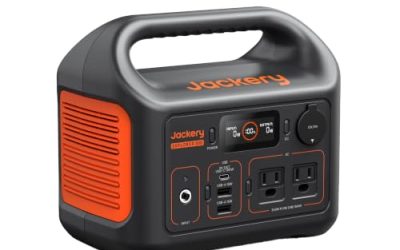
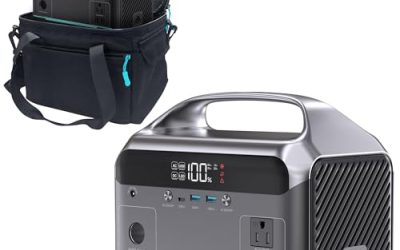
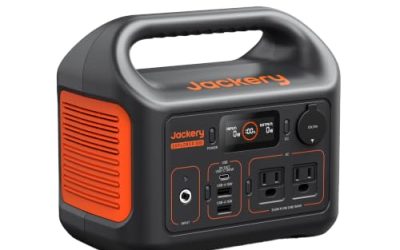
Jackery Explorer 300
This 292Wh LiFePO4 unit is marketed for outdoors, camping, travel, hunting and blackouts. For home use it is a small, easily stored backup for a modem, lights and phones, and it works well as the first piece of a kit that you can build on later. The title does not list an AC wattage, so check the full spec sheet.
- Strength: LiFePO4 chemistry in a compact body suits long-term standby storage.
- Strength: easy to move between a closet, a car and a campsite.
- Trade-off: 292Wh will not keep a refrigerator going through a night.
Skip it if your plan involves any appliance with a compressor or heating element. It is best kept as a charged grab-and-go unit in a hall closet, with the larger loads left to a bigger system, and checked every few months so it is ready when an outage hits.
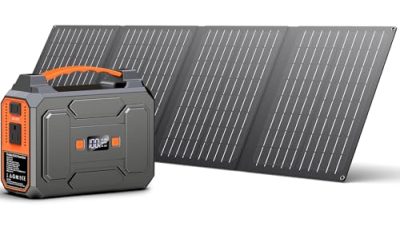
300W Solar Generator Kit with 60W Panel
An unbranded-style listing for a 300W power station with a 280Wh battery, 110V pure sine wave AC output, USB QC3.0 and DC ports, plus a 60W solar panel included. It appeals to shoppers who want a complete starter kit in one box and plan to charge small devices only.
- Strength: panel is included, so there is a recharge path from day one.
- Strength: pure sine wave AC output suits chargers and small electronics.
- Trade-off: 60W of solar refills a 280Wh battery slowly, and the title does not state the cell chemistry.
Skip it if you want long-term durability claims or a unit sized for refrigeration. Because the listing names no brand, buyers should read the full description for warranty terms, port details and what the included panel actually connects to before committing.
Anker SOLIX S2000
The S2000 pairs a 2,010Wh LiFePO4 battery with 1,500W output and is positioned for home backup, outdoor trips and emergencies. It sits in the sweet spot where a refrigerator, lights, internet gear and phones can all run together for a reasonable stretch.
- Strength: 2,010Wh gives a day of essentials for many households.
- Strength: LiFePO4 chemistry is a durable choice for regular outages.
- Trade-off: 1,500W limits you to one heavier appliance at a time.
Skip it if you plan to start a well pump or run an electric range, since those exceed its output. It is a mid-range-sized answer for renters and small households who want meaningful runtime without wiring anything into the house, and it can be moved from room to room as needs change.
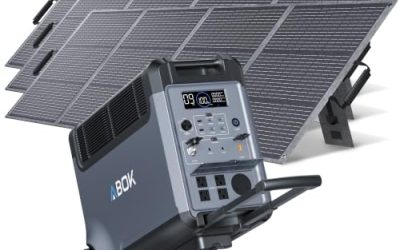
EBL 2400W Portable Power Station
The EBL lists 1843.2Wh of LiFePO4 capacity, 2400W of AC output across 12 outlets and USB-C PD ports, with a clear focus on home use. It targets buyers who want more wattage than the 1500W class without stepping to the largest systems.
- Strength: 2400W AC output starts bigger appliances than the S2000 can.
- Strength: 12 outlets and USB-C PD support many devices at once.
- Trade-off: 1843.2Wh is lower capacity than the 2010Wh S2000 despite the higher output, so heavy use drains it faster.
Skip it if long runtime matters more than output. It makes the most sense for households whose heaviest appliance is the issue rather than the number of hours, such as a window air conditioner or a larger kitchen appliance.
Jackery HomePower 3000 with 2x200W Panels
This kit lists 3072Wh, 3600W AC output, 7200W surge and an LFP battery, with two 200W panels included. It is designed as an essential home backup system, with enough surge headroom to start many larger loads.
- Strength: 7200W surge and 3600W output cover demanding start-up loads.
- Strength: included panels mean a recharge route comes with the bundle.
- Trade-off: it sits in the premium tier and is heavy enough to stay in one place.
Skip it if you only need to cover a modem and lights, because the capacity would be wasted. Households in storm-prone regions with a freezer, a refrigerator and medical equipment to protect are the natural audience, and the panels give them an option once the grid stays down for days.
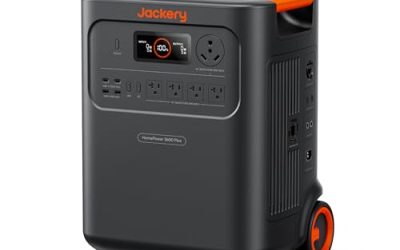
Jackery HomePower 3600 Plus with 2x200W Panels
The largest here lists 3584Wh, 3600W AC output, an LFP battery and expansion to 21kWh, again bundled with two 200W panels. That expansion path is the key difference from the HomePower 3000, since you can add capacity rather than replacing the unit.
- Strength: expansion to 21kWh supports multi-day backup plans.
- Strength: 3584Wh is the highest listed capacity in this guide.
- Trade-off: cost and size make it a stationary choice rather than a portable one.
Skip it if you do not intend to expand and the 3000 would cover your loads. Planners who want a system that can be enlarged after a first season of real-world use, rather than guessed at up front, get the most from the expansion path.
Which One Fits Your Situation
You only need lights, Wi-Fi and phones
The Jackery Explorer 300 or the 300W kit with a 60W panel covers those loads. Pick the kit if you want a panel included, the Explorer if the stated LiFePO4 chemistry matters more. Either one can sit on a shelf near the router and serve as a first line of defense.
You need to keep a refrigerator going overnight
The Anker SOLIX S2000 offers 2,010Wh and 1,500W, which fits a refrigerator plus electronics. The EBL 2400W suits households that also want a higher-wattage appliance on hand.
You want multi-day backup with solar
The Jackery HomePower 3000 with panels is the straightforward package, while the HomePower 3600 Plus lets you expand later. Both include two 200W panels, so a recharge route is built in, though you should still plan around weather.
You rent and cannot install anything
The Anker SOLIX S2000 is a plug-in solution that needs no wiring, so it moves with you when the lease ends. Extension cords from the unit to the refrigerator and a power strip are all it takes. If space is tight, the Jackery Explorer 300 stores in a closet.
Common Mistakes
- Sizing by outlet count instead of total continuous watts.
- Forgetting the start-up surge of a refrigerator or sump pump compressor.
- Assuming a small panel will fully recharge a large battery in one day.
- Running a fuel generator indoors or in an attached garage because the battery unit is too small; carbon monoxide is a lethal risk.
- Buying more capacity than needed when a smaller unit and a panel would do.
Specs and Terms Explained
Rated output versus surge
Rated output is what the inverter can deliver continuously. Surge is a short burst, often lasting a fraction of a second, meant to start motors. A refrigerator may run at a modest wattage but briefly demand several times that when the compressor kicks in. Compare the surge figure with the startup draw of your fridge or sump pump, not with its running label.
Pure sine wave
A pure sine wave inverter produces smooth household-style power. Sensitive electronics, medical equipment and variable-speed motors generally behave best on it. If a unit does not state its waveform clearly, treat that as a gap to resolve before relying on it for anything important.
UPS or EPS switchover
Some units can sit between the wall and a device, then take over when the grid drops. The switchover time is usually listed in milliseconds. For a router or desktop computer, a very short transfer prevents a reboot; for lamps it does not matter at all.
Expansion batteries
Expansion means attaching extra battery capacity to the same inverter. It lengthens runtime without raising output, so it helps with a fridge overnight but will not let a single inverter run an extra heavy appliance.
Who Should Skip These
A battery generator is the wrong tool for a few jobs. Whole-house electric heating, a central air conditioner or an electric dryer demands more than any unit in this list can supply for long. Households that lose power for days at a time every winter, with no sun to refill panels, are usually better served by a fuel-based standby system with a battery unit kept for the essentials. Anyone relying on life-support equipment should speak with the device provider or a utility medical-priority program rather than depend on a consumer power station alone.
Setup and Care Tips
- Charge the unit fully ahead of storm season, then check it monthly so it is never found half empty on the night you need it.
- Label the cords you will use and keep them in a bag with the unit, so nobody hunts through drawers in the dark.
- Run the fridge from the station only when the outage is under way, and keep the doors shut as much as possible. A closed fridge holds cold air for hours, which stretches battery runtime considerably.
- Place the unit on a dry, hard surface away from windows that can let in rain, and leave space around the vents.
- In cold weather, keep it indoors. Lithium packs lose capacity and may refuse to charge when frozen.
- Practice once. Plug in the router, a lamp and a phone charger, and confirm everything works before a real outage.
Related guides
- Portable Power Stations For Cpap During Power Outages
- How Long Does A Portable Generator Run On A Tank Of Fuel
- How To Prepare For A Power Outage Checklist And Gear
Frequently Asked Questions
Can a battery generator run my whole house?
Not the models here when used through outlets. They are suited to essentials such as a refrigerator, lights, internet gear and phones. Whole-home loads need a properly installed system with a transfer setup and a licensed electrician, and nothing here should be wired into a home panel without one.
Are battery generators safe to use indoors?
They produce no combustion exhaust, so they avoid the carbon monoxide danger of gas units, which must never run indoors or in a garage. Still keep a battery unit ventilated and away from heat sources.
How long will a 2000Wh unit run a refrigerator?
If the fridge averages 100 to 150W, expect somewhere around ten to fifteen hours after losses. Actual results depend on the appliance and how often the compressor cycles. Opening the door less often and keeping the unit in a cool spot helps stretch the runtime.
Do I need the solar panels?
For short outages, no. For multi-day events, panels let you recharge, but their output depends on sun and angle. Charge the unit fully from the wall before storm season so the panels are a bonus rather than the only plan.