Key takeaways
- Shoppers who search "buy power station" are usually past the curiosity stage. Something specific pushed them there: a storm forecast.
Shoppers who search “buy power station” are usually past the curiosity stage. Something specific pushed them there: a storm forecast, a long weekend off the grid, a laptop that cannot be allowed to die, or an outage that lasted longer than anyone planned for. The real decision is not which brand looks best on the box. It is which capacity class matches the job, because a 288Wh unit and a 2,010Wh unit are different tools, and buying the wrong class is the most common way to end up with a battery that sits in a closet.
This guide is for first-time and second-time buyers who want a battery-based power station instead of a gas generator and who want to compare seven models using only what the listings actually state: watt-hours, listed output, battery chemistry, charging-time claims and UPS behavior. Every pick is judged from the spec text as of 2026, and cost is described in budget, mid-range and premium tiers rather than exact figures, so the advice holds up when sale pricing moves.
Quick Picks
Our top picks




As an Amazon Associate we earn from qualifying purchases at no extra cost to you.
| Product | Best for | Key spec from the title |
|---|---|---|
| Jackery Explorer 300 | Camping and blackout basics | 292Wh LiFePO4 battery |
| Anker SOLIX C300 DC | Travel and UPS-style backup | 288Wh, 300W, LiFePO4 |
| BLUETTI Elite 30 V2 | Small loads with a surge | 288Wh, 600W, Power Lifting 1500W, 10ms UPS |
| DJI Power 1000 V2 | Compact mid-size backup | 1024Wh LFP, 2600W stable output |
| Anker SOLIX C1000 Gen 2 | Fast refills at mid-size capacity | 1,024Wh LiFePO4, full charge in 49 minutes |
| DARAN 288Wh | Budget pocket-size power | 288Wh LiFePO4, 350W (600W peak), 7-port design |
| Anker SOLIX S2000 | Home backup and longer outings | 2,010Wh, 1,500W, LiFePO4 |
How to Choose
Match watt-hours to what you actually run
Watt-hours (Wh) measure how much energy the battery holds, while watts measure how much it can deliver at one moment. Phones need roughly 10 to 20Wh per full charge, a laptop commonly draws 50 to 100W while working, and a CPAP machine or small fridge often sits in the same double-digit watt range. Anything with a heating element, such as a kettle, hair dryer or space heater, can pull 1,000W or more and drains a small battery in minutes. A 300Wh class unit covers devices and lights; the 1,000Wh class covers a fridge, router and laptops overnight; the 2,000Wh class starts to look like real home backup.
Look for LiFePO4 or LFP chemistry
Most of the models here list LiFePO4 (also written LFP) cells. That chemistry is generally specified for several thousand charge cycles, compared with a few hundred for older lithium-ion packs, and it tolerates heat better. If a listing never names the cell type, treat the cycle life as unknown. Budget models sometimes cut corners here, so a named chemistry in the title is a useful filter.
Check charging speed and solar input
Refill speed matters more than most buyers expect, especially during a multi-day outage with only a wall outlet that flickers on and off. Titles quoting a time, such as 0-80% in 37 minutes or a full charge in 49 minutes, tell you the unit accepts a high AC input. Solar generator labels only help if the unit lists a solar input and you add a compatible panel. Do not assume a panel is included unless the listing says so.
Ports, UPS behavior and size
Count the outlets you need: a pure AC outlet for a laptop brick or CPAP, USB-C for phones, and DC for car-style accessories. A listed UPS or 10ms switchover means the unit can sit between a wall outlet and a router or desktop and take over during a dropout. Ignore peak-watt headlines unless you run motors, because the continuous figure is what keeps a load running. Compact size is worth paying for if you carry the unit to a campsite; for a hallway closet, extra weight is fine. Also look at how the unit is meant to be recharged between uses, since a car-charging or solar option widens your choices when the grid is down.
The 7 Best Options
Jackery Explorer 300
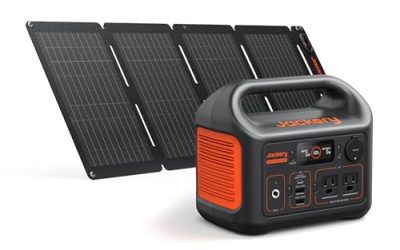
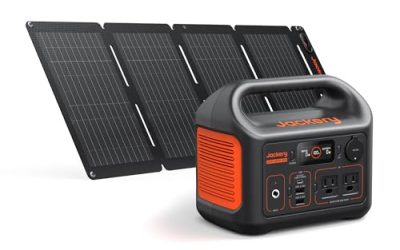
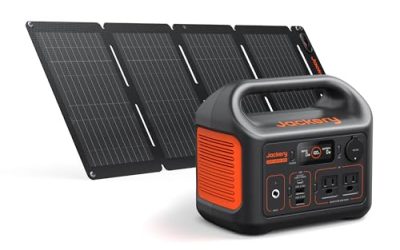
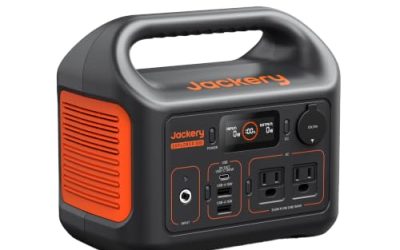
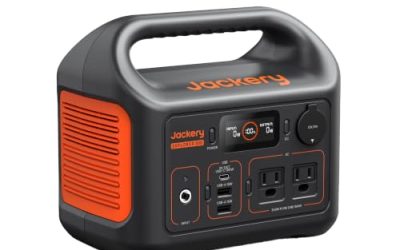
This is the entry point for buyers who want a recognizable name and a small battery for camping, travel, hunting trips or short blackouts. The title lists a 292Wh LiFePO4 battery, which is enough to keep phones, lights and a laptop topped up through a weekend away.
- Strength: LiFePO4 chemistry is named right in the title.
- Strength: The 292Wh capacity suits devices, lights and small electronics.
- Trade-off: Capacity this small cannot sustain a fridge or any heating appliance for long.
Skip it if your plan involves running a refrigerator through a multi-day outage or powering power tools. Buyers who expect to grow into larger loads may also prefer to start in a bigger class rather than outgrow this one within a season or two of regular use.
Anker SOLIX C300 DC
The C300 DC pairs 288Wh with a 300W listed output and a LiFePO4 battery, and the title positions it for UPS use, travel and emergencies. It suits someone who wants a desk-side or bag-friendly backup for routers, modems and laptops.
- Strength: The title names UPS use alongside a LiFePO4 battery.
- Strength: A 300W output covers most laptops and small devices.
- Trade-off: The title says “DC” and does not mention AC outlets, so confirm the port layout covers your devices before buying.
Skip it if you need to plug in household AC appliances directly. Read the port list on the full product page first, and match it against the chargers, bricks and adapters you already own so nothing surprises you on the first trip.
BLUETTI Elite 30 V2
This 288Wh model lists 600W output, a Power Lifting mode up to 1500W, a 10ms UPS function and 0-80% charging in 45 minutes. That combination suits buyers who want a small, quick-refilling unit that can handle a device that briefly asks for more than its normal draw without stepping up to a bigger battery.
- Strength: The 600W output sits well above many 300W-class rivals.
- Strength: The title lists a 10ms UPS function and a fast 0-80% charge claim.
- Trade-off: Power Lifting is a way to run higher-wattage loads, not extra capacity, so runtime on those loads stays short at 288Wh.
Skip it if you need several hours of runtime on anything above laptop-level draw. The small 288Wh tank is the limiting factor no matter how generous the output looks, so size your expectations to the watt-hours rather than the headline watts.
DJI Power 1000 V2
The title combines a 1024Wh LFP battery with 2600W stable output, a compact size and a 37-minute 0-80% recharge claim. It fits buyers who want one mid-size unit for a van, a cabin or an outage kit without stepping up to a bulky home battery.
- Strength: The 2600W stable output figure is high for this capacity class.
- Strength: Fast recharge makes it easier to cycle during daytime outages.
- Trade-off: Ample output does not add capacity, so heavy loads still drain 1024Wh quickly.
Skip it if you want the lowest cost tier or only plan to charge phones. A unit this capable is wasted on light duty, and a smaller, cheaper class would cover that job without carrying extra capacity everywhere you go.
Anker SOLIX C1000 Gen 2
Listed at 1,024Wh with a LiFePO4 battery, a 49-minute full-charge claim, a 2,000W listed output and a 3,000W peak, this model targets people who value quick turnaround. It suits UPS-style home backup and outdoor weekends alike.
- Strength: The title promises a full charge in 49 minutes, which shortens the wait between uses.
- Strength: LiFePO4 cells plus a 2,000W listed output cover a broad range of appliances.
- Trade-off: At 1,024Wh it still falls short of whole-day fridge-plus-extras backup.
Skip it if you need multiple days of independent power from a single unit. For that job, either step up to a larger battery class or plan on solar and a disciplined list of which devices get priority when the charge runs low.
DARAN 288Wh
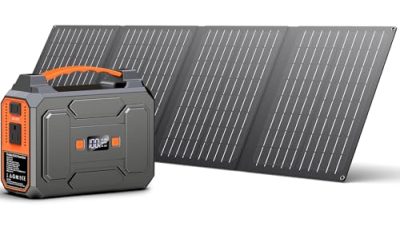
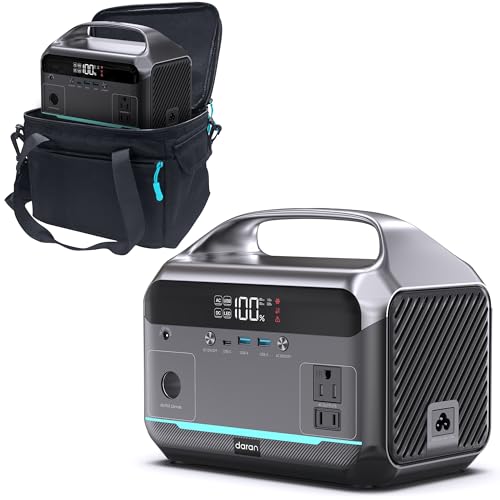
This unit lists a 288Wh LiFePO4 battery, 350W output with a 600W peak, a 7-port design and a 2.1-hour fast-charge claim. It is the value-minded choice for buyers who want a compact mini solar generator without stepping into a premium tier.
- Strength: Seven ports give flexibility for phones, lights and a laptop at once.
- Strength: LiFePO4 chemistry at a budget tier is a useful combination.
- Trade-off: The brand has less name recognition than Jackery or Anker, so check warranty terms on the listing.
Skip it if you want a proven brand name or a long support track record. Cautious first-time buyers who plan to rely on the unit during a real emergency may feel more comfortable with an established maker and a clear warranty page.
Anker SOLIX S2000
With 2,010Wh and 1,500W listed, this is the large-capacity pick, aimed at home backup, outdoor use and emergencies. The LiFePO4 battery and capacity make it suitable for running a fridge, a router and lights across a longer outage.
- Strength: 2,010Wh is the largest capacity among these seven.
- Strength: LiFePO4 chemistry is listed, which supports long-term use.
- Trade-off: The 1,500W output is lower than some 1,000Wh rivals, so very heavy loads may exceed it.
Skip it if you only need a lightweight bag-sized unit for travel. A 2,010Wh battery is a fixture to be moved with a plan, not something to toss in a trunk for an afternoon at the park, and the smaller models here fit that job better.
Which One Fits Your Situation
You camp a few weekends a year
The Jackery Explorer 300 or the DARAN 288Wh both cover phones, lights and a laptop. The DARAN suits a tighter budget, while the Jackery appeals to buyers who prefer a familiar brand.
You want something to sit under the desk during storms
The BLUETTI Elite 30 V2 and Anker SOLIX C300 DC both advertise UPS behavior, which keeps a router and laptop alive through short dropouts. Choose the BLUETTI if you want the extra 600W headroom.
You need a mid-size unit for a van or cabin
The DJI Power 1000 V2 and the Anker SOLIX C1000 Gen 2 both list 1,024Wh LiFePO4-class batteries. Pick the DJI for the 2600W stable output figure, or the Anker for the 49-minute full-charge claim.
You are preparing for a longer outage at home
The Anker SOLIX S2000 offers the most stored energy here at 2,010Wh. Pair it with a plan for how many hours each essential device needs to run.
Common Mistakes
- Buying on peak watts instead of continuous output and watt-hours, then discovering the unit shuts down under a real load.
- Assuming “solar generator” in a title means a panel is included.
- Planning to run a space heater, hair dryer or electric kettle on a 300Wh unit.
- Ignoring the safety difference between battery units and gas generators: fuel generators produce carbon monoxide and must never run indoors, in a garage or near a window, while a battery unit has no exhaust.
- Skipping the check of how fast the unit recharges, which matters most in a long outage.
- Buying the largest capacity out of habit, then carrying extra weight to every trip when a smaller unit would have covered the load.
Specs and Terms Explained
Listings for power stations pile up jargon. These are the terms that matter and what to do with them.
Wh versus W
Watt-hours describe how much energy is stored; watts describe how fast it can be delivered. A battery of around 300Wh running a 60W device lasts a few hours before conversion losses, while the same battery cannot run a 1,500W kettle at all. Look for a capacity figure that matches your hours of need and an output figure that exceeds your biggest single load.
Surge rating
Surge is a short burst the inverter can supply to start motors. It does not mean the unit can run that load continuously. If a fan, pump or small compressor is on your list, make sure the continuous rating covers its running draw and the surge rating covers its startup.
Pass-through and UPS mode
Pass-through means the unit can charge and power devices at the same time. UPS or EPS mode goes further, switching to battery in a fraction of a second when wall power drops. If a desktop computer or router sits on the unit, look for a stated switchover time short enough to avoid a reboot.
DC input range
The solar input limit, given in volts and watts, tells you which panels you can connect. Panels outside the stated voltage window charge poorly or not at all, so match them to the spec sheet instead of assuming any panel works.
Which One Should You Buy?
| If you… | Choose… |
|---|---|
| Want one of the smallest and lightest options for phones, lights and a small fan | DARAN 288Wh |
| Camp occasionally and want a compact, widely sold small unit | Jackery Explorer 300 |
| Mostly charge gadgets from a desk or vehicle | Anker SOLIX C300 DC |
| Want a compact unit to sit under the desk during storms | BLUETTI Elite 30 V2 |
| Need a mid-size unit for a van or cabin | DJI Power 1000 V2 or Anker SOLIX C1000 Gen 2 |
| Want the largest capacity class in this guide for home appliances | Anker SOLIX S2000 |
Who Should Skip These
If you only need a handful of phone charges a year, a plain power bank is lighter and easier to carry. If you need to run a space heater or an electric stove, no portable unit in this guide is built for sustained loads like that, and a fixed system or a fuel generator is the realistic route.
Sizing and Compatibility Checklist
- Pick the heaviest thing you will plug in and confirm its wattage is under the unit’s continuous output.
- Estimate hours of use, multiply by watts, and make sure the answer sits well under the stated watt-hours.
- Confirm the charging methods you need, whether wall, car socket or solar, are actually listed on the spec sheet.
- Check the weight against where it will live, since a compact unit that stays in a closet and a unit that rides in a van have different priorities.
Related guides
- Portable Power Stations For Cpap During Power Outages
- How Long Does A Portable Generator Run On A Tank Of Fuel
- How To Prepare For A Power Outage Checklist And Gear
Frequently Asked Questions
How many watt-hours do I need?
Add up the watts of each device and multiply by the hours you want it running, then add a margin for conversion losses. Phones and lights fit in the 300Wh class, while a fridge overnight points toward 1,000Wh or more.
Is LiFePO4 worth looking for?
Yes, for most buyers. It is generally specified for more charge cycles than older lithium-ion cells, which matters if you plan to use the unit for years rather than occasionally.
Can a power station replace a gas generator?
For quiet, short-term backup of essentials, often yes. For long outages with heavy loads, a battery unit needs solar or frequent wall charging. If you do use a gas generator, keep it outdoors and well away from doors and windows because of carbon monoxide risk.
Does fast charging matter?
It does if outages are intermittent. A unit that refills in under an hour can use short windows of grid power, while a slow charger may leave you short. It also helps on trips, where a stop at a powered campsite may be brief.