Key takeaways
- Compare six lightning detectors for outdoor use, from clip-on personal alarms to handheld and fixed units, with range and alert details.
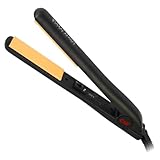
The Strike Alert HD Field personal lightning detector is the best overall pick for most people who spend time outdoors, because it shows distance on a graphic display, tracks storms in all directions and adds a heat stress reading for long days in the sun. A lightning detector is a small radio receiver that picks up the electrical pulses from lightning and estimates how far away the storm is, giving you a warning before thunder is audible. If you want a simple clip-on warning, the original Robic Strike Alert style is the classic, while the Skyscan models suit hikers who like a handheld with distance bands.
Quick List
- Robic Strike Alert Personal – best for a simple, pager-style warning clipped to a belt or bag
- Talos SFD-1000-P Standard – best for a fixed, land-based mount on a vehicle, cart or station
- Strike Alert HD Field – best for hikers and field workers who want a graphic display and heat stress monitor
- Skyscan 12460 – best for a handheld unit with four distance bands
- Talos Personal Lightning Strike Detector – best for a compact, wearable lanyard unit
- Xtreme Research Skyscan – best for an alternative handheld with a long track record
Which One Is Right for You?
| If you… | Choose |
|---|---|
| hike, camp or work in the field and want the fullest display | Strike Alert HD Field |
| want a simple device that clips on and sounds an alarm | Robic Strike Alert Personal |
| need a unit that mounts to a golf cart, boat, shed or vehicle | Talos SFD-1000-P Standard |
| prefer a lanyard-worn gadget that is small and light | Talos Personal Lightning Strike Detector |
| want a handheld with clear distance bands and a trend indicator | Skyscan 12460 |
| like the Skyscan design and want another listing for it | Xtreme Research Skyscan |
Think about how you move. If you carry the device on your body, a pager-style or lanyard unit is easiest. If you stay in one place, such as a ball field, a pavilion or a dock, a fixed unit mounted high and clear of electrical interference may serve you better. A detector is a warning aid, not a guarantee, so keep watching the sky and follow standard weather guidance to get indoors early.
All 6 Picks in Detail
1. Robic Strike Alert Personal Lightning Detector – Best for a Simple Clip-On Alarm
As an Amazon Associate we earn from qualifying purchases at no extra cost to you.

The Strike Alert personal detector is a pager-sized receiver that clips to a belt, golf bag or backpack and gives an audible alarm and a row of lights as lightning gets closer. Retailer and brand descriptions say it warns of strikes up to about 40 miles away and uses lights to indicate distance zones, commonly described as roughly 24 to 40, 12 to 24, 6 to 12, and under 6 miles. It can also indicate whether a storm is approaching, departing or stationary based on recent strike distances. The simplicity is the appeal: no menus, no screen to read, just an alarm and lights. Check the listing for battery type, since sources vary.
- Type: personal pager-style lightning detector
- Range: up to about 40 miles per brand descriptions; confirm on listing
- Alerts: audible alarm plus distance lights
- Trend: approaching, departing or stationary indication per retailer descriptions
- Batteries: confirm on listing
Pros
- Easy to understand at a glance
- Clips on and travels with you
Cons
- No graphic display or detail
- Radio detectors can occasionally miss or misjudge strikes
Compared with the HD Field model, it is the leaner choice, with fewer features and a lower learning curve. It suits a coach, camper or golfer who just wants a loud, simple prompt to start heading for shelter, and it is easy to hand to someone else in your group without a tutorial. Because it has no screen, you rely on the lights and alarm alone, so learn the zone pattern before your first trip and clip it where you can hear and see it.
2. Talos SFD-1000-P Standard Lightning Detector – Best for a Fixed Land-Based Mount

The Talos SFD-1000-P is a rugged, battery-powered unit meant to be mounted in a spot with a clear view of the sky, with its lens facing up. The listing describes it as a standard detector for land use, and Talos documentation for the SFD-1000 family describes detection out to 25 miles with three colored LEDs and matching beeps: green for 25 miles, blue for 16 miles and red for 6 miles. It is described as IP-65 waterproof and measuring about 7.5 inches long by 2.5 inches wide. That makes it a good fit for a golf cart, an ATV, a dock, a shed or a camp structure, though it is not designed to be worn on your body like a personal pager.
- Type: fixed-mount lightning detector for land use
- Range: up to 25 miles per Talos documentation
- Alerts: three LED colors with matching beeps
- Weather rating: IP-65 per Talos documentation; confirm on listing
- Power: battery powered; confirm battery type on listing
Pros
- Weather-resistant and built for rugged mounting
- Clear color and beep distance coding
Cons
- Not intended as a wearable personal unit
- Should be kept about 3 feet from other electronics that cause interference
Next to the Talos Personal model, it is the sturdier, mount-it-and-forget-it option, while the Personal unit travels on a lanyard. Mounting matters: install it with the sensor facing the sky, away from motors, radios and other electrical noise, and keep it a few feet from phones and similar gear. For a shared space such as a pavilion or dock, put it where the person in charge can hear it and agree in advance what the group will do when the red alert sounds.
3. Strike Alert HD Field – Best for a Graphic Display and Heat Stress Reading

The HD Field is the feature-rich member of the Strike Alert family. Brand descriptions say the HD line has a graphic display that shows strike distance from 0 to 40 miles, a one-hour storm trend and intensity, and 360-degree tracking, whereas many personal detectors only cover 180 degrees. The Field version adds a warmth stress monitor, which the listing describes as heat stress monitoring, useful for long days outdoors. Treat the heat reading as a general reference, not a medical device, and follow standard hydration and rest practices. The display makes it easier to see whether a storm is approaching or passing, so you can make decisions sooner.
- Type: personal lightning detector with graphic display
- Range: 0 to 40 miles per brand descriptions
- Coverage: 360-degree tracking per brand descriptions
- Extras: storm trend and heat stress monitor
- Power: confirm battery type on listing
Pros
- Display shows trend and intensity at a glance
- Heat stress reading adds value for field work
Cons
- More features mean more to learn
- Heat reading is a guide, not a substitute for judgment
It is the step up from the plain Robic Strike Alert for anyone who wants trends and a screen. Field workers, surveyors and long-distance hikers gain the most from the trend view, because it helps separate a storm that is passing from one that is building. Use the heat reading as a reminder to drink water and rest in shade, and do not let it replace your own judgment about how you feel.
4. Skyscan 12460 Lightning Storm Detector – Best for Handheld Distance Bands
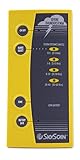
The Skyscan 12460 is a handheld detector that senses lightning and thunderstorm activity within about 40 miles. Retailer descriptions say it displays distance in four ranges, 0 to 3, 3 to 8, 8 to 20 and 20 to 40 miles, and indicates whether a storm is moving toward you, away from you or parallel. It uses dual antenna technology and a digital microprocessor per one retailer, and some listings state it runs on two 9V batteries for a long operating time. Because it is handheld, it suits hikers, boaters and sports officials who want a dedicated device they can pull out of a pack and check at intervals.
- Type: handheld lightning and storm detector
- Range: within about 40 miles per retailer descriptions
- Distance bands: 0-3, 3-8, 8-20 and 20-40 miles
- Trend: toward, away or parallel indication
- Batteries: two 9V in some listings; confirm
Pros
- Clear distance bands and movement indication
- Handheld form works well for group activities
Cons
- Larger than a pager-style device
- Older design with fewer modern conveniences
It is nearly identical in concept to the Xtreme Research Skyscan, so choose between them on listing details and availability. This one suits people who prefer a dedicated device over a clip-on and who will actually take it out of a bag to check at intervals. Keep spare 9V batteries with it if the listing confirms that battery type, and check it before every outing instead of discovering a dead battery under a darkening sky.
5. Talos Personal Lightning Strike Detector – Best for a Compact Lanyard Unit

This Talos listing describes a compact, wearable detector with a lanyard, meant for outdoor use. Talos documentation for its compact personal model says it detects lightning up to 25 miles away, uses color-coded lights for 25, 16 and 6 miles, and runs on two CR2032 coin cells, though you should confirm that against this exact listing. Retailer listings for the compact model mention an IP40 rating, which means it resists dust but not water, so keep it dry. The compact model gives light alerts rather than beeps, so check it visually, which may not suit a noisy environment or a bag.
- Type: compact personal lightning detector with lanyard
- Range: up to 25 miles per Talos documentation
- Alerts: color-coded lights; confirm whether it also beeps
- Power: coin cell batteries per Talos documentation; confirm
- Weather rating: IP40 in some listings; keep it dry
Pros
- Small and light enough to wear all day
- Simple color-coded display
Cons
- Lights only on the compact model, so alerts are easy to miss
- Not waterproof
Compared with the Talos SFD-1000-P, it trades ruggedness and sound for a wearable size. It suits runners, anglers and spectators who want a light device on a lanyard and are willing to glance at it regularly. Because the lights are the only alert on the compact design, it is wise to wear it where you can see it and to pair it with a phone weather alert that adds an audible warning.
6. Xtreme Research Skyscan Lightning/Storm Detector – Best Alternative Handheld

The Xtreme Research Skyscan is the earlier branded version of the handheld detector design sold under the Skyscan name. Its manual says it detects lightning and thunderstorm activity within about 40 miles, and retailer descriptions mention distance indications and a severe thunderstorm alarm. Because the listing name gives almost no detail, read the product page for the exact model, battery type and display before you buy. For people who want a handheld and are comparing it with the Skyscan 12460, the main question is which listing offers the clearer specification and the better availability.
- Type: handheld lightning and storm detector
- Range: within about 40 miles per the manual
- Alerts: severe thunderstorm alarm per retailer descriptions
- Batteries: confirm on listing
- Model variant: confirm on listing
Pros
- Handheld design with a long track record
- Alarm function for severe activity
Cons
- Few details in the listing name
- Handheld size is bulkier than a clip-on
It sits beside the Skyscan 12460 as a near twin, so compare the exact model details. If the product page shows a clear model number and a battery type you can easily buy, it is a reasonable handheld choice. If the page is vague, the Skyscan 12460 listing, which spells out more detail, is the safer comparison point for most shoppers.
Specs Compared
| Detector | Style | Stated range | Alert type | Power |
|---|---|---|---|---|
| Robic Strike Alert Personal | Clip-on pager | Up to about 40 miles | Alarm and distance lights | Confirm on listing |
| Talos SFD-1000-P Standard | Fixed mount, land use | Up to 25 miles | Color LEDs and beeps | Batteries; confirm type |
| Strike Alert HD Field | Personal with display | 0 to 40 miles | Graphic display, trend, heat monitor | Confirm on listing |
| Skyscan 12460 | Handheld | Within about 40 miles | Four distance bands, movement trend | Two 9V in some listings; confirm |
| Talos Personal Lightning Strike Detector | Compact, lanyard | Up to 25 miles | Color lights | Coin cells per Talos; confirm |
| Xtreme Research Skyscan | Handheld | Within about 40 miles | Distance indication and alarm | Confirm on listing |
How We Chose These
This guide is based on desk research of the six listed detectors. We read each listing name and compared it with manufacturer and retailer descriptions for range, alert style, display and power. We separated personal, handheld and fixed-mount designs, since they suit different activities, and we flagged where a listing name gave too little information to be sure which model variant is being sold. Stated ranges come from brand and retailer descriptions, not from our own measurements, and any value we could not confirm is marked for you to check. We treated safety guidance as more important than gadget features, which is why each section reminds you that a detector is only an aid.
What to Look For
Range, accuracy and what the numbers mean
Detectors list ranges from 25 to 40 miles, but the figure describes the maximum distance at which a strike can be sensed under good conditions. The distance shown is an estimate based on signal strength, so it can be off, especially for the first few strikes. Treat the outermost band as early notice and the inner bands as a sign to move indoors. A worked example: if a storm moves at 20 miles per hour and your detector first reports it at 25 miles, you have roughly an hour before it arrives, but a storm can build overhead much faster, so do not use the full window to finish a game. Remember also that detectors work on the radio signal from a strike: a storm that has not yet produced lightning will not register, and the first strike that does register may already be close. That is why the closest zones deserve immediate action, not another look at the screen.
Personal, handheld or fixed
Personal pager-style devices clip on and move with you, making them ideal for hikers, golfers and coaches. Handheld units are larger and show more information, which suits people who check at intervals. Fixed units mount to a vehicle, cart or structure and are best where people gather in one place. Pick the form factor that fits your habits, because a device left in a bag will not warn you. For groups, such as youth sports leagues, camps and guided hikes, one person should own the device and the decision, because a warning only helps if somebody is empowered to act on it. Write the plan down, including the distance zone that triggers a move indoors, and practice it once so nobody hesitates when the alarm sounds.
Alerts: lights, sound and display
Lights alone are easy to miss outdoors in bright sun, and sound alone can be lost in wind or crowds. A combination of audible alarm and visible indicator is more reliable. Graphic displays add trend and intensity but need a quick look at the screen. Check whether the alarm can be silenced, and test it at home using the instructions provided so you recognize each signal.
Power, weather resistance and interference
Batteries range from coin cells to AA and 9V. Replace them on a schedule and carry spares for trips. Weather resistance varies: a fixed unit may be rated IP-65, while a compact personal model may be rated IP40 and must be kept dry. Electronic noise from phones, radios and motors can cause false alerts, so keep detectors a few feet from such devices. Finally, remember that no detector is perfect: follow local weather alerts and head indoors when you hear thunder. When you store the device for a season, remove the batteries to avoid leakage, and do a quick function check at the start of each outdoor season using the method in the manual. Keep it out of hot cars, since heat shortens battery life and can damage electronics, and wipe off dust and moisture before putting it away.
Using a detector safely
A detector buys time, and the point of that time is to reach shelter. Decide on a plan before you leave: where you will go, how long it takes and who is responsible for calling it. Go indoors to a substantial building or into a hard-topped vehicle when thunder is audible or the detector reaches its closest zone, and wait a good while after the last thunder before resuming outdoor activity. Do not shelter under isolated trees or in open structures such as picnic shelters. If the detector goes quiet, treat that as a pause, not an all-clear.
Questions
Can a lightning detector replace weather forecasts?
No. A detector only senses lightning that has already started, whereas forecasts and alerts can tell you about a storm before it forms. Use both together, and head for a sturdy building or a hard-topped vehicle when thunder is audible.
How far away can a lightning detector sense a storm?
Manufacturers cite ranges of about 25 to 40 miles depending on the model. These are best-case figures, and the distance shown is an estimate, not an exact measurement.
Why does my detector give false alarms?
Electrical noise from phones, motors, fluorescent lights and other electronics can mimic lightning signals. Keep the unit away from such sources and follow the placement advice in the manual.
Is a personal detector or a fixed unit better for sports fields?
A fixed unit mounted high with a clear sky view serves a whole field, while a personal unit helps a coach or official who moves around. Many organizations use both, along with a written weather safety plan.
Do these detectors work if there is only cloud-to-cloud lightning?
Some designs detect cloud-to-cloud lightning in addition to cloud-to-ground strikes, but the details depend on the model. Check the manual, and treat any lightning activity as a reason to be careful.
How often should I replace the batteries?
Follow the manufacturer’s guidance, and replace them before long trips or storm season. Some brands cite about a year of use for certain models, but real life depends on how often you switch the device on.
Update History
- October 20, 2026 – Initial publication; product set drawn from current catalog listings.
- Check the product page for current specifications and availability before buying.
Sources
- Manufacturer product and specification pages for Strike Alert, Talos lightning detectors and Xtreme Research Skyscan
- Retailer listing titles and specification fields for each of the six listed products