Key takeaways
- The Arlo Home Security System SS1201 is a sensor-based alarm kit, not cameras. See how its hub, 8-in-1 sensors and monitoring fit your home.
The first decision here is not which brand to buy, but which kind of system you actually want watching your home. A camera system records what it can see, while a sensor-based alarm kit like this one reacts to events: a door opening, motion in a room, water pooling under a sink, or the sound of an existing smoke alarm. The Arlo Home Security System belongs firmly in the second camp. It contains no cameras at all, and that single fact should shape whether you keep reading.
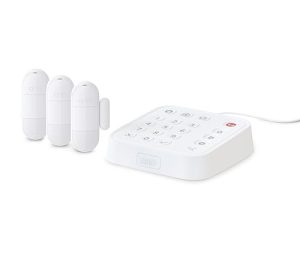
This review serves renters who cannot rewire a house, homeowners who want monitored protection without filming their own rooms, and anyone worried about leaks and freezing pipes as much as break-ins. The product covered is the exact configuration named on its Amazon page: the Arlo Home Security System with a Wired Keypad Sensor Hub, three 8-in-1 Sensors, 24/7 professional monitoring with no contract required, and DIY installation, model SS1201 in White.
Quick Picks
As an Amazon Associate we earn from qualifying purchases
| Product | Best for | Key spec from title |
|---|---|---|
| Arlo Home Security System (3 Sensors, SS1201) | Monitored alarm protection without cameras | (3) 8-in-1 Sensors with Wired Keypad Sensor Hub |
How to Choose
Plan Sensor Coverage Before You Buy
Three sensors sound simple until you map them onto a real floor plan. Each All-in-One Sensor covers one location but watches for eight different events there, so placement decides how much protection the kit actually delivers. A sensor on the front door handles entry detection, while the same unit in a hallway covers motion, and one near a water heater watches for leaks and freezing temperatures. Walk your home and list the doors, rooms, and risk spots you care about most, then check whether three sensors cover them or whether your layout already points to add-ons. Ground-floor entry points usually come first, followed by the room with plumbing or heating equipment. Tilt and ambient light detection also reward thoughtful placement, since a sensor aimed sensibly notices a shifted object or a light left burning in an empty room. Buyers who plan placement first rarely feel short-changed later; buyers who guess often discover the gap after setup, usually in the room they cared about most.
Set Monitoring Expectations Early
This kit offers 24/7 professional monitoring with no contract required, and that combination shapes the buying decision. Monitoring means a professional service can respond when the alarm triggers, rather than the siren sounding while nobody reacts. No contract required means you are not locked into a long agreement to get that coverage, which suits renters and anyone testing monitored security for the first time. Before ordering, decide whether you actually want professional monitoring or only a loud local alarm, because the two experiences differ sharply at the moment something goes wrong. Also think about who in the household arms and disarms the system daily, since a keypad-based routine only works when everyone follows it consistently. Consider, too, what happens during an ordinary false trigger, such as a door opened by a family member who forgot the system was armed, and whether monitored response still feels worthwhile after a few of those. Households that settle these expectations in advance tend to keep monitoring; households that skip the conversation often cancel after the first surprise.
Place the Hub Where Its Siren and Sensors Work
The Wired Keypad Sensor Hub is the centre of this system, and it does more than accept your entry code. It carries a built-in siren, its own motion detection, and smoke and CO alarm listening, so its location affects both coverage and audibility. A hub buried in a back room wastes its motion detection and muffles the siren; a hub near the main entry covers the busiest traffic point and sounds where it matters. Because the hub is wired, you also need a sensible spot near power that household members pass every day. Think about the path from your front door to the keypad, since that route defines how natural arming and disarming feels during rushed mornings and late returns. The hub’s smoke and CO alarm listening adds another placement argument: it needs to sit within earshot of your existing alarms, so a central hallway or main living area usually serves it better than a utility room. One well-chosen spot lets the hub guard the entry, listen for alarms, and sound its siren across the home at the same time.
Leave Room to Expand the System
A three-sensor kit is a starting point, not a ceiling, and the smartest buyers treat it that way. The All-in-One Sensor design means expansion units repeat the same eight functions: motion, open and close, water leaks, freezing temperatures, smoke and CO alarm sounds, tilt, and ambient light changes. That consistency matters when a basement, garage, or back door joins the plan later. Before buying, picture the finished system you would want in two years and confirm this kit grows toward it, rather than buying a closed set that forces a restart. Expansion thinking also protects the budget, because the base kit stays useful as the sensor count rises instead of being replaced outright. It also changes how you judge the starting three sensors: they are the foundation of a wider layout, so their first positions should be the permanent ones, such as the main entry and the highest-risk plumbing area, rather than temporary spots you will rearrange later. A kit bought with a growth path in mind usually ends up cheaper and calmer than a second system bought in frustration.
The 1 Best Options
Arlo Home Security System (3 Sensors, SS1201)

The Arlo Home Security System with three 8-in-1 Sensors and the Wired Keypad Sensor Hub, model SS1201 in White, suits buyers who want an alarm that reacts instead of a camera that records. Each All-in-One Sensor combines eight detection functions in one unit, so a single device on a door or wall can report motion, an opening, a water leak, freezing temperatures, the sound of a smoke or CO alarm, tilt, and changes in ambient light. The hub adds its own motion detection and alarm listening alongside the built-in siren and keypad, which makes it an active part of coverage rather than a passive control panel. DIY installation keeps the kit realistic for renters and for owners who avoid drilling into walls for camera mounts, and the 24/7 professional monitoring with no contract required gives the alarm a response path when nobody is home. For households whose main fears are entry, leaks, and frozen pipes, this sensor-first layout covers the risks directly.
Specs
- Three All-in-One Sensors, each detecting motion, open/close, water leaks, freezing temperatures, smoke/CO alarm sounds, tilt, and ambient light changes (8 functions in 1)
- Wired Keypad Sensor Hub with built-in siren, motion detection, and smoke/CO alarm listening
- 24/7 professional monitoring available, no contract required
- DIY installation
- Color: White
- Model: SS1201
Best for: Households that want monitored alarm protection against entry, leaks, and freezing without installing cameras.
Watch out for: Confirm the listing is the 3-sensor SS1201 configuration before ordering, because other sensor counts sell under similar names; also note this kit includes no cameras, so it cannot show you video of an event.
Which One Fits Your Situation
You Want Protection Without Filming Your Own Home
This system fits you well. Cameras inside living spaces make many households uncomfortable, and guests rarely relax around lenses in hallways. The SS1201 kit watches doors, rooms, and risk points through sensors instead, so you get alerts about events without recording daily life. The keypad hub and monitored response keep the protection active even when nobody is watching a phone, which is exactly the trade many privacy-conscious buyers are looking for. Children, partners, and visiting relatives simply live in the house instead of performing for a lens, and that alone settles the decision for plenty of households.
You Rent and Cannot Run Wires or Mount Cameras
The kit fits this situation strongly. DIY installation and compact sensors suit homes where drilling and permanent fixtures are off the table, and the no-contract monitoring matches lease-length uncertainty. The wired hub still needs a sensible spot near power, so check your entry area before ordering. When you move, a sensor-based kit is far easier to take down and reinstall than a hardwired camera layout. Landlords also tend to view small sensors on doors and walls very differently from mounted cameras, so the kit is less likely to create a deposit dispute at the end of the tenancy. That portability matters.
You Worry About Leaks and Frozen Pipes as Much as Intruders
This is one of the kit’s best fits. Each sensor watches for water leaks and freezing temperatures alongside entry and motion, so the same hardware guards the basement and utility areas that burglar alarms usually ignore. Place one sensor near the water heater or laundry connections and another by the main entry, and the three-sensor kit covers both fear categories at once. Few camera systems address a burst pipe at all. Winter absences make the point sharper: a freeze warning while you are away can save a ceiling, while footage of water spreading across a floor only documents the damage after it happens.
You Need Video Evidence of What Happened
This system is a weak fit for you, and it is better to know that now. Sensors report that something happened, such as a door opening or motion in a room, but they capture no images and identify nobody. If your goal is recognising faces, reading number plates, or reviewing footage after an incident, a sensor alarm cannot do that job. Buyers in this position should look at camera-based protection instead of expecting this kit to grow into one, because its sensors will never produce a picture no matter how the system expands.
Common Mistakes
- Assuming the Arlo name means cameras are included, when this kit is a sensor alarm system with no cameras in the box.
- Ordering without checking the sensor count, then receiving a different configuration than the 3-sensor SS1201 kit reviewed here.
- Placing all three sensors on doors and leaving leak and freeze risks near plumbing completely uncovered.
- Hiding the keypad hub in a back room, which wastes its motion detection and makes the built-in siren far less effective.
- Expecting professional monitoring to work without setting it up, or forgetting that everyone in the household must follow the arming routine.
Frequently Asked Questions
Does the Arlo Home Security System include cameras?
No. This kit is a sensor-based alarm system built around a Wired Keypad Sensor Hub and three All-in-One Sensors, and it contains no cameras at all. It detects events such as motion, doors opening, water leaks, and alarm sounds rather than recording video. Buyers who need footage or facial recognition should choose a camera system instead, because no setting or add-on mentioned for this kit turns it into one.
What can each 8-in-1 sensor actually detect?
Each All-in-One Sensor covers eight functions in a single unit: motion, open and close events, water leaks, freezing temperatures, smoke and CO alarm sounds, tilt, and ambient light changes. That range is why placement matters so much, since one sensor near a door handles entry while the same sensor near plumbing guards against leaks. You are effectively choosing which risks each of the three included sensors watches.
Is professional monitoring required to use the system?
The listing offers 24/7 professional monitoring with no contract required, which means you can take monitored protection without signing a long agreement. The kit still functions as a local alarm with its built-in siren if you prefer that route. The practical difference is response: monitoring adds professionals who can act on an alarm when you miss an alert, while the siren alone only makes noise and hopes someone reacts.
Can the system grow beyond the three included sensors?
Yes, the kit is designed as a starting configuration rather than a closed set. Additional All-in-One Sensors repeat the same eight detection functions, so expansion units can cover a back door, garage, or basement without changing how the system works. Planning that growth before you buy helps you confirm the three included sensors cover your highest-priority spots first, instead of spreading them thinly across the whole house.
More from Amazon
Programs that pair well with the guide above. Offers and eligibility are set by Amazon and may change.
Free shipping on eligible items, Prime Video and more. Eligible new members can start with a free trial.
Start a Prime free trialAudiobooks and podcasts to listen to on the go. Eligible new members can start with a free trial.
Try Audible freeAd-free music streaming. Eligible new subscribers can start with a free trial.
Try Music Unlimited freeA free business account with business pricing and bulk-buying tools for work, shop or home office.
Create a business accountAs an Amazon Associate we earn from qualifying purchases.