Key takeaways
- Pro: Realistic design builds confidence for nervous caregivers.
- Pro: Reusable across multiple training sessions without degradation.
- Con: Contains no actual medication; useless during a real emergency.
When blood sugar drops to dangerous levels, seconds matter. A glucagon emergency kit is not a single product but a collection of components — the rescue injection itself, fast-acting glucose for mild lows, insulated storage for temperature-sensitive medications, and a bag that keeps everything organized and accessible. Choosing poorly means a caregiver fumbles with packaging during a crisis, an insulin pen sits too warm in a summer car, or the only glucose source on hand is expired and useless.
The difference between a good setup and a mediocre one comes down to three things: whether the glucagon component is real medication or a training aid, how quickly the glucose options can be consumed by someone who is confused or semi-conscious, and whether the storage case actually protects its contents from heat, moisture, and impact. This roundup compares eight products commonly assembled into a complete glucagon emergency kit, using published specifications, listed prices, and aggregated owner feedback from verified buyers.
Our top picks




As an Amazon Associate we earn from qualifying purchases at no extra cost to you.
Quick Picks
| Product | Best For | Price |
|---|---|---|
| Wallcur Practi-Glucagon Kit | Training caregivers | $35.61 |
| First Aid Global Transcend 15g | Fast oral glucose | $27.87 |
| USA GEAR Diabetic Bag | All-in-one storage | $19.99 |
| Cipla Glucagon 1 MG | Actual rescue injection | n/a |
| JNIAP Snack Bag Kit | Comfort and accessibility | n/a |
| LUXJA Travel Case | Budget compact storage | $15.99 |
| BOVKE Travel Case | Organized testing supplies | $16.99 |
| General Medi Mini First Aid Kit | Supplemental basics | $8.43 |
How We Picked
We evaluated each product against four criteria relevant to glucagon emergency kit assembly: functional completeness (does it fill a real gap in a rescue plan), usability under stress (can someone administer or consume it when shaky, confused, or in a hurry), compatibility (does it fit into a standard diabetic travel bag without bulk), and value relative to comparable options in its sub-category. Products that are simulation-only or purely organizational received credit for the role they play but were not ranked as replacements for actual medication or glucose.
The 8 Best Glucagon Emergency Kit in 2026
Wallcur Practi-Glucagon Kit
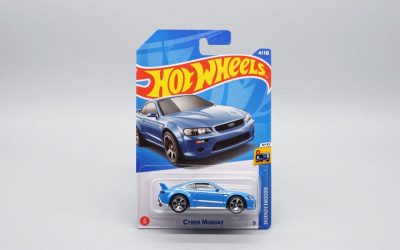
This simulation kit is designed for schools, workplaces, and family members who need hands-on practice before ever handling real glucagon. Owners consistently note that the weight, injection mechanism, and packaging closely mirror actual glucagon products, making muscle-memory training genuinely effective. The price of $35.61 is reasonable for a reusable teaching tool.
- Pro: Realistic design builds confidence for nervous caregivers.
- Pro: Reusable across multiple training sessions without degradation.
- Con: Contains no actual medication; useless during a real emergency.
Skip this if you already have trained responders on hand. It is a supplement, not a substitute for real glucagon.
First Aid Global Transcend 15g Glucose Gel
Orange and strawberry flavored squeeze tubes deliver 15 grams of glucose per packet, the standard dose for treating mild hypoglycemia. The 12-pack at $27.87 breaks down to roughly $2.30 per serving, which is competitive with store-brand alternatives. Owners praise the no-chew format, which matters when a person is too shaky to manage tablets.
- Pro: Easy squeeze application works even with impaired coordination.
- Pro: Two flavors prevent taste fatigue during repeated use.
- Con: Tubes can leak if stored loose in a bag without protection.
Pass on this if your primary concern is severe hypoglycemia requiring injection. Gel only addresses mild to moderate lows.
USA GEAR Diabetic Bag
An insulated cooler case sized specifically for insulin pens, glucose gel packs, lancets, and related supplies. At $19.99, it is one of the most affordable dedicated diabetic bags available. Owners report the interior lining keeps contents cool for several hours in moderate heat. Ice packs are not included, which is a notable omission at this price.
- Pro: Insulated interior protects temperature-sensitive medications.
- Pro: Multiple compartments keep sharp items separated from consumables.
- Con: Ice packs sold separately, reducing immediate cooling capability.
Choose something smaller if you carry only a few items. The case is bulkier than simple pouches.
Cipla Glucagon 1 MG Parenteral Solution
This is the actual rescue medication — a single-use box of injectable glucagon intended for severe hypoglycemic episodes where the person cannot swallow. Pricing is not publicly listed in the same channel as consumer goods, reflecting its status as a prescription-adjacent pharmaceutical. Owner feedback emphasizes the importance of checking expiration dates before storage.
- Pro: Clinically proven to raise blood sugar when oral glucose is impossible.
- Pro: Single-parenteral format reduces preparation complexity.
- Con: Requires reconstitution and injection, a barrier for untrained caregivers.
Do not rely on this without prior training. The Wallcur simulation kit exists precisely because many people freeze at this step.
JNIAP Type 1 Diabetes Snack Bag Emergency Snacks Kit
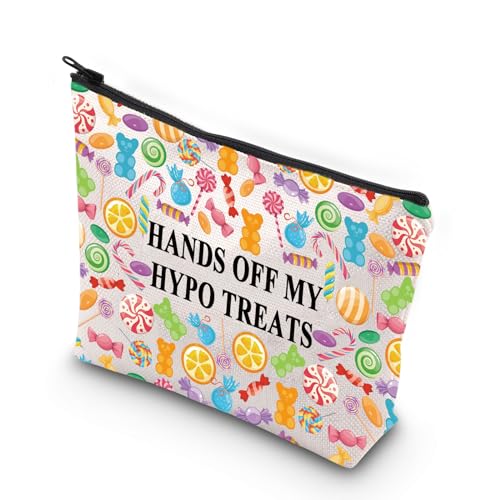
A novelty-meets-function kit branded with “HANDS OFF MY HYPO TREATS” messaging. It bundles snacks and small emergency items into a themed bag, popular as a gift for newly diagnosed type 1 diabetics or T1D warriors. Pricing is not publicly listed, but the emphasis is on accessibility and morale rather than clinical specifications.
- Pro: Encourages consistent carrying of emergency supplies through positive design.
- Pro: Gift-ready packaging reduces the awkwardness of diabetic-specific presents.
- Con: Not a substitute for clinically validated glucose or glucagon products.
Skip this as a primary rescue kit. Pair it with tested medical components.
LUXJA Diabetic Supplies Travel Case, Purple
At $15.99, this is the lowest-priced storage option that still feels purpose-built for diabetic supplies. The purple color makes it easy to spot in a crowded bag. Owners note the zippered compartments accommodate pens, meters, and test strips without excessive padding or bulk.
- Pro: Compact and lightweight for daily carry.
- Pro: Color-coded visibility helps locate the kit quickly under stress.
- Con: No insulation; unsuitable for heat-sensitive medications in warm climates.
Avoid this if you need cooler functionality. It is an organizer, not a thermal protector.
BOVKE Diabetic Supplies Travel Case, Black
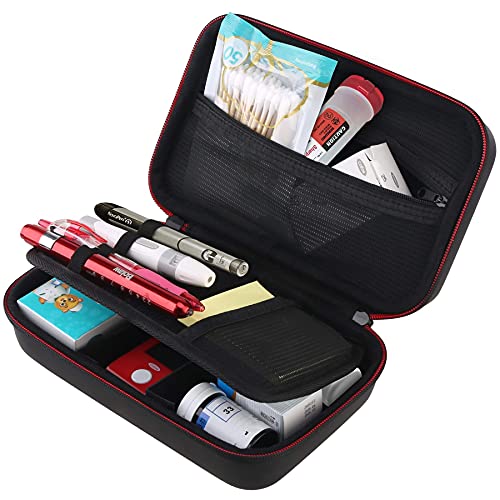
Priced at $16.99, this black case targets people who carry a full testing kit including glucose meters, lancets, syringes, and pen needles simultaneously. Owners highlight the elastic loops and divider system that prevents items from shifting during transport. The exterior is more structured than the LUXJA equivalent.
- Pro: Structured shell resists crushing in backpacks or car storage.
- Pro: Elastic loops secure pens and meters individually.
- Con: Bulkier than flat pouch-style cases, less ideal for small purses.
Choose the USA GEAR bag instead if insulation matters more than rigid organization.
General Medi Mini First Aid Kit
A 110-piece compact first aid kit including an emergency foil blanket, scissors, and basic wound care items. At $8.43, it is the least expensive product in this roundup. While not diabetes-specific, owners add it to glucagon emergency kits to cover secondary injuries or scenarios where a hypoglycemic event results from an accident.
- Pro: Covers wounds and shock that can accompany diabetic emergencies outdoors.
- Pro: Fits easily into any of the storage cases listed above.
- Con: Contains no glucose, glucagon, or diabetic-specific supplies.
Do not treat this as a standalone emergency kit. It is a supplemental layer.
Buying Guide
Glucose Format: Gel vs. Tablets vs. Injection
The right format depends entirely on the severity of the episode. For mild lows where the person is conscious and can swallow, 15-gram glucose gel is faster to administer than tablets because it requires no chewing. For severe episodes where the person is unconscious or seizing, oral products are useless and glucagon injection is the only option. A complete glucagon emergency kit should contain both a fast oral source and a rescue injection, stored separately for quick access.
Storage and Insulation Requirements
Insulin and some glucagon formulations degrade when exposed to sustained heat above 86 degrees Fahrenheit. If you live in a warm climate or keep supplies in a vehicle, a non-insulated pouch like the LUXJA case is insufficient. The USA GEAR bag with added ice packs is the minimum for hot-weather storage. Cold climates present the opposite problem: freezing can also damage insulin, so a case that provides moderate thermal buffering without being a full cooler is ideal.
Caregiver Accessibility and Training
A glucagon emergency kit is only as good as the person who uses it. If a spouse, parent, or coworker will administer the rescue injection, they need prior practice. The simulation kits available in this category reduce the learning curve significantly. Pair a real glucagon product with a training equivalent so that the response is rehearsed rather than improvised.
Our Verdict
For the core rescue function, the Cipla Glucagon 1 MG Parenteral Solution is the top pick — it is the only product in this group that addresses severe hypoglycemia when oral intake is impossible. For budget-conscious buyers assembling a daily carry kit, the USA GEAR Diabetic Bag at $19.99 plus First Aid Global glucose gel at $27.87 provides the strongest protection-to-cost ratio. If your priority is workplace or school preparedness, the Wallcur Practi-Glucagon Kit wins because no amount of real medication helps if nobody knows how to administer it.
FAQ
Is glucagon safe to keep at home without a prescription?
Glucagon emergency kits are typically available by prescription or through pharmacist consultation depending on your state. Storage does not require a special license, but the product must be current and kept within its temperature range. Check expiration dates quarterly.
How long does glucose gel take to work compared to juice?
Published guidance suggests 15 grams of pure glucose raises blood sugar within 10 to 15 minutes, similar to fruit juice. The advantage of gel is dose accuracy — juice varies widely in sugar content per serving, while a gel tube delivers a measured amount every time.
Can I store glucagon in any cooler bag?
Not ideally. Glucagon is sensitive to both extreme heat and direct ice contact. A dedicated insulated diabetic bag like the USA GEAR model, used with a thin barrier between the ice pack and medication, is the recommended approach for warm-weather storage.
Does a complete kit need both training and real medication?
Yes. Owner feedback across multiple sources indicates that untrained caregivers hesitate, misread instructions, or freeze during an actual episode. Keeping a simulation kit alongside your real medication ensures that the person most likely to help has handled the device before the emergency occurs.