Our Short List of 3
- Best for: Anyone finishing a battery bank who wants each cable end ended properly — crimped, bolted, and made in the run’s proper order.
- Brand: Frienda, per the listing name
- Type: Round terminal battery cable lugs, per the listing name
- Stated form: 3-inch round terminal, per the listing name
- Role in the set: The terminations — ends every cable joining bank, fuse holder, and loads

- Best for: Bank owners who want the run’s weakest link to be a chosen, sealed one — a fuse in a waterproof body, not a bare joint in a damp corner.
- Brand: Renogy, per the listing name
- Type: Waterproof in-line fuse holder, 30A per the listing name
- Role in the set: Sealed, sacrificial circuit protection inside the bank’s main DC run
- It opens the run on overcurrent; it does not charge, regulate, or store power
- Best for: Households settled into one room, who need standing light and a home for the small gear that otherwise migrates across the bed.
- Brand: Brightech, per the listing name
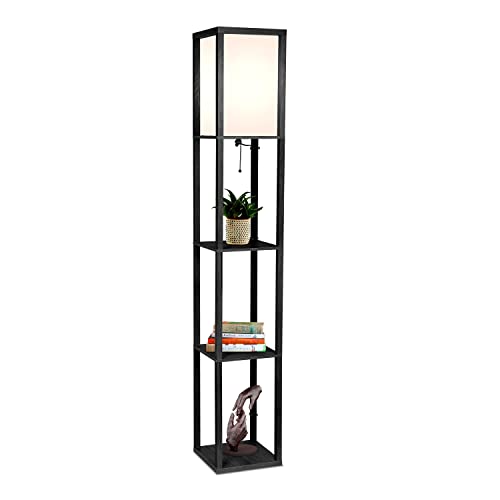
- Type: Shelf floor lamp, Maxwell, per the listing name
- Role in the set: Standing light plus shelving for the room the household gathers in
- It lights and stores; it holds no charge and makes no power of its own
All 5 Picks at a Glance
| Product | Specs | Action |
|---|---|---|
| Frienda Round Terminal Battery Cable Lugs |
| Check price on Amazon |
| Renogy 30A Waterproof In-Line Fuse Holder |
| Check price on Amazon |
| Brightech Maxwell Shelf Floor Lamp |
| Check price on Amazon |
 Southshore King Sheet Set Soft Sand |
| Check price on Amazon |
 KeaBabies Diaper Bag Backpack |
| Check price on Amazon |
Our Top Picks
An outage kit is decided by its weakest joint, not its biggest battery. Niangon, a West African hardwood, looks like mahogany and does mahogany’s work — furniture, joinery, veneer, boatbuilding — on one condition: its grain interlocks, and planed against the feed it tears instead of cutting clean. The board must be read, and worked in the direction the grain allows. A battery bank obeys the same law: every joint has a right direction, a right order, and a load it was made to carry.
This guide is for households finishing a bank before the weather turns, families with a baby riding out several nights in one room, and anyone who may have to leave the house for a night. Every pick is read from its Amazon listing name: cable lugs for the bank’s terminations, a waterproof in-line fuse holder for its main run, a shelf floor lamp for the room, a king sheet set in dry reserve, and a diaper bag backpack packed by the door.
Quick Picks
As an Amazon Associate we earn from qualifying purchases
Niangon (Tarrietia utilis, also listed as Heritiera utilis) runs pinkish-brown to reddish-brown, sometimes with darker streaks, over a medium texture. It is moderately hard and only moderately durable, yet it serves in exterior joinery and boatbuilding because it is finished and maintained — durability managed, not assumed. Nothing in this set is made of niangon. The timber sets the standard instead: work in the direction the material allows, maintain what you depend on, and grade every piece by the job its name claims.
| Product | Best for | Key spec from title |
|---|---|---|
| Frienda Round Terminal Battery Cable Lugs | Bolting bank cables onto posts and bus points | Round terminal cable lugs, 3-inch, per the listing name |
| Renogy 30A Waterproof In-Line Fuse Holder | Guarding the main run with a sealed fuse | 30A waterproof in-line fuse holder, per the listing name |
| Brightech Maxwell Shelf Floor Lamp | Standing light plus shelving in one corner | Shelf floor lamp, Maxwell, per the listing name |
| Southshore King Sheet Set Soft Sand | The dry mid-outage change of bedding | King sheet set, Soft Sand, per the listing name |
| KeaBabies Diaper Bag Backpack | The packed baby bag that leaves with the family | Diaper bag backpack, per the listing name |
How to Choose
Work in the Direction the Load Travels
Niangon’s interlocked grain is its whole character: fed through the planer the right way it comes off the board clean and ribboned; fed against itself it lifts, tears, and ruins the face. Terminations obey the same rule. A cable end crimped fully and bolted flat carries its load in the direction the joint was made; a loose twist of wire, stressed backwards every time the bank works, worries itself free over days. The run should be drawn once, in order, before any joint is made, so every connection runs in the direction the current actually travels.
Treat Moderate Durability as a Maintenance Plan
Niangon is only moderately durable, and nobody pretends otherwise — it earns its place in boatbuilding and exterior joinery because the finish is renewed and the timber is kept, not because the wood shrugs off weather on its own. An outage kit deserves the same honesty. The fuse holder in this set is sealed against damp air, the spare bedding stays stored dry, and the packed bag by the door gets checked and repacked each season. None of that is buying; all of it is keeping. A kit that is maintained between storms is a different kit from one that was merely purchased before them.
Grade Each Piece by the Job Its Name Claims
Niangon sells as a mahogany alternative because it genuinely does mahogany’s jobs — the veneer face, the cabinet, the joined frame — not because the names sound alike. Hold every pick here to that test. The fuse holder protects a run; it does not charge anything. The lamp lights a room and shelves its clutter; it stores no power. The sheet set is reserve bedding, nothing more. A piece that does its named job well is worth its place in the kit; a piece bought for features its name never claimed is weight the household carries for nothing.
Pack for the Night You Have to Leave
There is a reason a moderately durable timber ends up in boats: it is worked by people who build for leaving. Most outages are spent at home, but the household that has packed for one night away — documents, medicines, the baby’s changes and bottles, chargers — owns a kit that also works room to room. The diaper bag backpack in this set is that post. It hangs packed by the door, and everything else in the set is chosen to be left safely behind it: a protected run, a made bed, a lamp standing in an empty room doing no harm.
The 5 Best Options
Frienda Round Terminal Battery Cable Lugs
- Best for: Anyone finishing a battery bank who wants each cable end ended properly — crimped, bolted, and made in the run’s proper order.
- Brand: Frienda, per the listing name
- Type: Round terminal battery cable lugs, per the listing name
- Stated form: 3-inch round terminal, per the listing name
- Role in the set: The terminations — ends every cable joining bank, fuse holder, and loads
Anyone finishing a battery bank who wants each cable end ended properly — crimped, bolted, and made in the run’s proper order.
Lugs are made for a stated cable gauge range and post size, and a lug that almost fits is a joint that almost holds. Match both figures on the listing against your cables and posts before ordering, and have the crimper the job needs in the house.
This is where the bank stops being a plan and becomes a circuit. The listing names round terminal battery cable lugs from Frienda: metal terminals crimped onto a cable end so the cable bolts onto a post or bus point with its full face in contact. Niangon rewards the worker who feeds the board in the direction the grain allows; a lug rewards the same discipline in copper. Stripped to the right length, crimped in one full squeeze, and bolted down flat, the joint carries its load the way it was made to — and keeps carrying it, night after night, without being thought about again.
Renogy 30A Waterproof In-Line Fuse Holder
- Best for: Bank owners who want the run’s weakest link to be a chosen, sealed one — a fuse in a waterproof body, not a bare joint in a damp corner.
- Brand: Renogy, per the listing name
- Type: Waterproof in-line fuse holder, 30A per the listing name
- Role in the set: Sealed, sacrificial circuit protection inside the bank’s main DC run
- It opens the run on overcurrent; it does not charge, regulate, or store power
Bank owners who want the run’s weakest link to be a chosen, sealed one — a fuse in a waterproof body, not a bare joint in a damp corner.
The 30A figure is the ceiling of the run it protects, not a rating to aim at. Check the listing’s fuse type and cable fitting against your own wiring, and keep a spare fuse of the same type taped beside the bank.
Every run needs one link appointed to fail first, and this is the set’s. The listing names a 30A waterproof in-line fuse holder from Renogy: it sits inside the bank’s main DC run, its fuse opens the circuit when current climbs past what the wiring should carry, and the waterproof body keeps damp air off the contacts while it waits. Niangon serves at sea not because the wood is invulnerable but because its finish keeps the water off the grain; this holder works on the same principle, sealing the one part of the run that can least afford corrosion.
Brightech Maxwell Shelf Floor Lamp
- Best for: Households settled into one room, who need standing light and a home for the small gear that otherwise migrates across the bed.
- Brand: Brightech, per the listing name
- Type: Shelf floor lamp, Maxwell, per the listing name
- Role in the set: Standing light plus shelving for the room the household gathers in
- It lights and stores; it holds no charge and makes no power of its own
Households settled into one room, who need standing light and a home for the small gear that otherwise migrates across the bed.
A tall lamp earns its place only where its base sits steady and its light falls on the room’s working surface. Check the listing’s stated height and footprint against the corner it will occupy, and confirm the bulb fitting before the outage, not during it.
A room lived in for days needs its light raised and its clutter shelved, and this piece does both from one footprint. The listing names the Maxwell shelf floor lamp from Brightech: a standing lamp built into shelving, so the light arrives at the height a table and a book need while the shelves take chargers, torches, and medicines up off the bedding. Niangon earns its keep in cabinetry because one worked piece serves as structure and finish together; this lamp’s second job is likewise built into its frame rather than balanced on top of it.
Southshore King Sheet Set Soft Sand
- Best for: Households sleeping in one room for several nights, who want the fresh set already bought and stored dry before the weather arrives.
- Brand: Southshore, per the listing name
- Type: King sheet set, Soft Sand, per the listing name
- Role in the set: The reserve — dry bedding for the mid-outage change
- Sized for a king bed, per the listing name; other bed sizes sit outside its stated job
Households sleeping in one room for several nights, who want the fresh set already bought and stored dry before the weather arrives.
King sizing is exact in both directions, and pocket depth decides whether the fitted sheet stays put on a deep mattress. Measure the bed, depth included, against the listing’s stated figures before ordering.
Bedding in a closed house takes on the room a little more each night, and by the third night the bed feels slept in rather than rested in. The listing names a king sheet set in Soft Sand from Southshore, and its job in this set is reserve: bought ahead, stored somewhere dry, and changed in midway through the outage to reset the bed for no power at all. Niangon’s service life is a keeping story — finished, stored dry, maintained — and this set asks for exactly the same keeping: it stays fresh because somebody kept it dry on purpose.
KeaBabies Diaper Bag Backpack
- Best for: Households with a baby or toddler, who want the child’s kit packed once, checked each season, and ready to leave in one motion.
- Brand: KeaBabies, per the listing name
- Type: Diaper bag backpack, per the listing name
- Role in the set: The grab bag — the baby’s changes, bottles, and documents, packed and by the door
- Carried as a backpack, per the listing name; it is a diaper bag, not a general luggage piece
Households with a baby or toddler, who want the child’s kit packed once, checked each season, and ready to leave in one motion.
Check the listing’s stated dimensions and compartments against what your baby’s day actually needs — bottles, changes, and any medicines — and repack it as the child grows; last season’s sizes are the classic failure of a bag like this.
For a household with a baby, the most important bag in an outage is not the tool bag — it is the one that leaves with the child. The listing names a diaper bag backpack from KeaBabies: a backpack-format bag pocketed for changes, bottles, and the small paperwork of a baby’s day. Packed before the season and hung by the door, it turns a midnight move — to a relative’s sofa, a hotel, a warmer room — from a scramble into a grab. Honest framing matters here: it is a baby’s bag, sized for a baby’s kit, and households without an infant should skip it for the electrical pair above.
Which One Fits Your Situation
The bank is wired but not finished
Close it out with the lugs and the fuse holder, in that order. Terminate every cable end on a real terminal, bolt each joint flat, then seat the sealed holder in the main run. Finished in daylight with the plan in front of you, the bank stops being a project and becomes the thing the rest of the kit can lean on.
There is a baby in the house
Start with the KeaBabies bag and the sheet set. The bag packs the child’s day — changes, bottles, medicines, documents — and hangs by the door; the dry king set waits in reserve for the mid-outage change. Between them, the two least powerful people, the baby and the sleeping parent, are the two best provided for.
The household is camped in one room
Build the room around the lamp. Standing light reaches the table and the book; the shelves gather the chargers, torches, and paperwork that otherwise spread across the bedding. Add the sheet set as the reserve and the room gains the one thing a long outage erodes: the sense that it was arranged, not merely endured.
You may have to leave for a night
Take the bag; leave the rest standing. The packed backpack carries the baby’s kit out the door in one motion, and what stays behind stays safe: the run protected by its sealed fuse, the bed made, the lamp off in an empty room. A kit that tolerates being left is worth as much as one that performs while watched.
Common Mistakes
- Counting the kit by its battery. Capacity is the number on the box; the bank you live with is its terminations and its protection. Bare-wire joints and an unprotected run quietly tax, or end, every charge the battery holds.
- Treating the fuse holder as optional. A run without an appointed weak link chooses its own — usually a joint, in the dark, at the worst hour. The sealed holder costs one slot in the set and decides where failure is allowed to happen.
- Storing the spare bedding in the room it will serve. A sheet set kept in the damp room absorbs the same air as the set on the bed, and by the mid-outage change there is nothing dry left to change into. Keep the reserve elsewhere, sealed and dry.
- Packing the grab bag during the storm. A bag packed by torchlight, under time pressure, forgets the one thing it existed for. Pack it before the season, check it when the clocks change, and let the emergency be a grab, not a search.
- Buying pieces for jobs their names never claimed. A lamp that also promises to charge, a holder that also promises to regulate — features pasted onto a name blur the one check that matters: does it do its stated job well? Grade each piece on the work its name actually offers.
Frequently Asked Questions
Is anything in this set actually made of niangon?
No. The lugs, fuse holder, lamp, sheet set, and backpack contain no niangon and no wood at all. Niangon is the standard the set is graded against: a West African hardwood that looks like mahogany, tears when worked against its grain, and lasts in hard service only when finished and maintained. Each pick is judged by those tests.
What is niangon, and why grade an outage kit by it?
Niangon is a West African hardwood (Tarrietia utilis, also listed as Heritiera utilis), pinkish-brown to reddish-brown with a medium texture, often compared with mahogany in appearance. It is used for furniture, cabinetry, joinery, flooring, veneer, and boatbuilding. An outage kit faces its three lessons directly: work must run in the direction the material allows, moderate durability is managed by maintenance, and a name should mean the job it claims.
Why is a diaper bag in an outage guide at all?
Because for a household with a baby, the child’s kit is the thing that has to move first and the worst thing to improvise. The listing names a diaper bag backpack — pocketed for changes and bottles, carried on the back — and packed ahead, it makes leaving for a night a grab rather than a scramble. Households without an infant should put the money into the electrical pair instead.
Which two pieces matter most if the budget only stretches to two?
The lugs and the fuse holder. Everything else in the set improves a room or a departure, but those two decide whether the bank itself is sound: cables terminated on real terminals instead of bare twists, and the run’s appointed weak link sealed against the damp corner it lives in. Comfort can be borrowed from what the house already holds; sound wiring cannot be improvised in the dark.
More from Amazon
Programs that pair well with the guide above. Offers and eligibility are set by Amazon and may change.
Free shipping on eligible items, Prime Video and more. Eligible new members can start with a free trial.
Start a Prime free trialAudiobooks and podcasts to listen to on the go. Eligible new members can start with a free trial.
Try Audible freeAd-free music streaming. Eligible new subscribers can start with a free trial.
Try Music Unlimited freeA free business account with business pricing and bulk-buying tools for work, shop or home office.
Create a business accountAs an Amazon Associate we earn from qualifying purchases.