Our Short List of 3

- Best for: Anyone whose shed door opens off a dark yard onto lamplight, fuel and a running engine, and who wants the warning a bell gives before the swing arrives.
- Brand: Jetec, per the listing name
- Type: Witch bell, per the listing name
- Role in the set: The signal post — the barn door announcing every opening before the swing reaches the work
- It is a bell only — not a lock, an alarm system or a security device

- Best for: Holdings whose kit migrates between buildings and vehicles — the key, the cans and the case located on a screen instead of by walking the yard with a torch.
- Brand: UGREEN, per the listing name
- Type: Air tracker tags, per the listing name
- Stated pack: 4 pack, per the listing name
- Role in the set: The finding post — gear that leaves the house located on a screen, not hunted on foot

- Best for: Keepers whose bank feeds an inverter or a load line with no fuse anywhere in the run — a stated rating matched to the line turns a fed fault into an opened circuit.
- Brand: Renogy, per the listing name
- Type: In-line fuse holder, per the listing name
- Role in the set: The protection post — a stated fuse seated in the bank’s main line, opening the circuit before a fault can feed from the bank
- It is a holder and fuse only — not a switch, a breaker panel or added capacity for the bank
All 5 Picks at a Glance
| Product | Specs | Action |
|---|---|---|
| Jetec Witch Bell |
| Check price on Amazon |
| UGREEN FineTrack Air Tracker Tags 4 Pack |
| Check price on Amazon |
| Renogy In-Line Fuse Holder |
| Check price on Amazon |
 Frienda Battery Lugs |
| Check price on Amazon |
 Frienda Battery Meter |
| Check price on Amazon |
Our Top Picks
The battery bench in the stone barn was rebuilt this spring from jequitiba ordered twice, a month apart. The first parcel planed up reddish-brown, its grain mostly straight, and went together without an argument. The second arrived darker and heavier, grain interlocked enough to twist under the plane and blunt two irons. Both merchants sold it under the same yard name, and both were telling the truth as their trade tells it.
This round serves holdings that sit out a cut on a stored bank: the keeper who crosses a dark yard to the barn, the household whose tools sleep in three buildings, and anyone tired of settling the bank’s charge by lamplight and opinion. The audit found four posts staffed and one bare. What follows fills the bare one and re-grades the rest, every pick held to the duty its own listing states.
Quick Picks
As an Amazon Associate we earn from qualifying purchases
Jequitiba gives this round its rule: a yard name shared across yards identifies nothing by itself, so each listing’s stated species and use decide the match rather than the name on the invoice. Every post below is therefore judged on what its own listing prints — the count in the bell set, the network the tags speak, the rating the fuse holder carries, the gauge the lugs crimp and the range the meter reads — and on nothing the headline merely suggests.
| Product | Best for | Key spec from title |
|---|---|---|
| Jetec Witch Bell | A barn door crossed in the dark by family and neighbours | Witch bell, per the listing name |
| UGREEN FineTrack Air Tracker Tags 4 Pack | Kit spread across barn, house and truck | Tracker tags, 4 pack, per the listing name |
| Renogy In-Line Fuse Holder | A bank line running to the inverter with no fuse in it | In-line fuse holder, per the listing name |
| Frienda Battery Lugs | Cable ends remade at the bank in daylight | Battery terminal lugs, per the listing name |
| Frienda Battery Meter | A bank whose remaining charge is argued over nightly | Battery meter, per the listing name |
Nothing in this set is sold as jequitiba; the timber lends its standard and nothing more. Jequitiba is a South American hardwood traded under its own yard name, and the record runs: heartwood reddish-brown to dark brown, a medium texture, grain straight to interlocked, hard and heavy, and moderately durable — the trade posts it to furniture, flooring, turnery and decorative work. It is demanding to work and quick to blunt an edge where the grain locks, which is why the two parcels on this bench behaved like strangers.
How to Choose
A Trade Name Is a Route, Not a Tree
Jequitiba names a trade route through South American yards, not a single forest stand. Two merchants supplied this barn under that one word, and the parcels differed in colour, weight and temper without either invoice being false. An outage shelf hides the same arrangement at smaller scale. A holder called heavy-duty, a tag called precise and a meter called accurate are yard names again, stretched across unlike goods. The purchase is decided underneath, in the stated lines: the rating stated, the gauge stated, the range stated, the use stated.
One Post, One Stated Job
Jequitiba earns its place where the trade sends it and nowhere else. Hard, heavy and moderately durable, it belongs in furniture, flooring, turnery and decorative work, and it charges for the privilege at the bench. Hold the five posts here to the same discipline. A bell announces a door; it secures nothing. A fuse interrupts a fault; it stores nothing and switches nothing. Lugs join a cable to a post; they carry no charge of their own. A meter reports what the bank holds; it restores nothing. Buy each piece for the single job its listing names.
Figures Decide the Electrical Posts
Three posts in this round stand or fall on a figure printed before anything ships. The fuse holder turns on two stated numbers at once — the fuse rating it is built to carry and the cable gauge its ends accept — read against the line between bank and inverter. The lugs turn on the gauge they crimp and the stud hole they take. The meter turns on its stated range, read against the bank it will watch. A figure that stops short of the hardware returns a part that protects nothing, grips nothing or reads nothing.
Fit Is Settled at the Bench, in Daylight
What remains fails on fit and habit, and both are cheaper to settle indoors than in a blackout. The lugs want a cable end stripped and test-crimped on the bench, not first attempted by torchlight with the bank half apart. The fuse wants its rating checked against the line it will guard before it is wired in, not after the first fault. The bell wants a trial hanging on a still evening, sized against the door it serves. Measure once, in the warm, and the posts hold when the line drops.
The 5 Best Options
Jetec Witch Bell
- Best for: Anyone whose shed door opens off a dark yard onto lamplight, fuel and a running engine, and who wants the warning a bell gives before the swing arrives.
- Brand: Jetec, per the listing name
- Type: Witch bell, per the listing name
- Role in the set: The signal post — the barn door announcing every opening before the swing reaches the work
- It is a bell only — not a lock, an alarm system or a security device
Anyone whose shed door opens off a dark yard onto lamplight, fuel and a running engine, and who wants the warning a bell gives before the swing arrives.
Size it against the door and the weather first — a bell too small drowns under engine noise and wind, and its stated hanging form has to fit a door that swings a dozen times a day.
The barn door is the busiest threshold on this holding after dark. It opens off a black yard toward the bench and the running set, and in a cut it swings a dozen times a night — the keeper going out, a neighbour coming in with word from the road, a grandchild sent for a tool. Every one of them arrives unannounced. Jetec’s listing names a witch bell, and the post it fills is the warning: a bell hung on the door that speaks before the swing does. Grade the set on its stated count and size against the door it serves.
UGREEN FineTrack Air Tracker Tags 4 Pack
- Best for: Holdings whose kit migrates between buildings and vehicles — the key, the cans and the case located on a screen instead of by walking the yard with a torch.
- Brand: UGREEN, per the listing name
- Type: Air tracker tags, per the listing name
- Stated pack: 4 pack, per the listing name
- Role in the set: The finding post — gear that leaves the house located on a screen, not hunted on foot
Holdings whose kit migrates between buildings and vehicles — the key, the cans and the case located on a screen instead of by walking the yard with a torch.
Confirm the stated network against your phone before ordering — a tag on the wrong network stays silent — and check the stated attachment form against each traveller it has to ride.
Kit on this holding migrates with the weather. The spare bank key lives in the barn, the fuel cans drift to the wood store, and the meter case ends up in whichever coat was worn last. UGREEN’s listing offers air tracker tags as a stated 4 pack, enough for the regular travellers. Everything hangs on one printed line — the network the tags speak — checked against the phone that will do the searching, and that check comes before any other. After it, the stated attachment form has to suit each shape, or the tag stays in its drawer.
Renogy In-Line Fuse Holder
- Best for: Keepers whose bank feeds an inverter or a load line with no fuse anywhere in the run — a stated rating matched to the line turns a fed fault into an opened circuit.
- Brand: Renogy, per the listing name
- Type: In-line fuse holder, per the listing name
- Role in the set: The protection post — a stated fuse seated in the bank’s main line, opening the circuit before a fault can feed from the bank
- It is a holder and fuse only — not a switch, a breaker panel or added capacity for the bank
Keepers whose bank feeds an inverter or a load line with no fuse anywhere in the run — a stated rating matched to the line turns a fed fault into an opened circuit.
Match the stated rating to the line it will guard — a fuse rated past the cable’s stated capacity protects nothing — and confirm the stated gauge suits your cable and the stated sealing suits the room it sits in.
The audit’s bare post stood between the bank and the inverter. The line carrying the bank’s stored charge into the house ran its whole length with nothing in it able to open the circuit — a chafed cable or a fault at the far end would be fed by the bank until something burned clear. Renogy’s listing names an in-line fuse holder, and its work is the interruption: a stated fuse, seated in the line, that gives up its own element before the cable gives up its insulation. Grade it on the stated rating and the cable gauge its ends accept.
Frienda Battery Lugs
- Best for: Anyone whose bank cables were made up on the bench and are now a season old — a stated assortment kept in the room turns the third-night failure into a daylight remake.
- Brand: Frienda, per the listing name
- Type: Battery terminal lugs, per the listing name
- Role in the set: The connection post — the bank’s cable ends remade from parts held in the room, not hunted for on the day
- They are terminal ends only — not cables, a crimping tool, a disconnect or added capacity for the bank
Anyone whose bank cables were made up on the bench and are now a season old — a stated assortment kept in the room turns the third-night failure into a daylight remake.
Both stated sizes have to match before the parcel ships: the barrel to your cable gauge, the ring to your bank’s stud. Confirm the stated material and count cover every end you mean to remake.
Banks fail at their ends more often than in their plates. A cable end crimped in a hurry works loose across a season of vibration, warms under load, and shows itself on the third night of a cut — with the spare lugs, if any exist, in a coffee tin nobody can find. Frienda’s listing names battery terminal lugs, and the post they fill is the remake: cable ends cut back, crimped and sealed on the bench from parts kept in the room. Grade them on the two stated sizes — the cable gauge they take and the stud hole they carry.
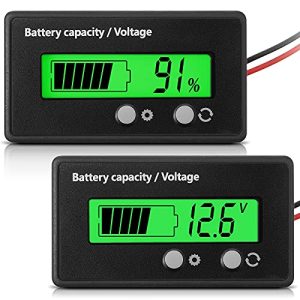
Frienda Battery Meter
- Best for: Households whose bank is wired soundly and serviced on schedule, yet whose remaining charge is still settled by lamplight, habit and whoever sounds most certain.
- Brand: Frienda, per the listing name
- Type: Battery meter, per the listing name
- Role in the set: The knowing post — the bank’s remaining charge read off a display instead of guessed from the lamps
- It is a meter only — not a charger, a maintainer or added capacity for the bank
Households whose bank is wired soundly and serviced on schedule, yet whose remaining charge is still settled by lamplight, habit and whoever sounds most certain.
Read the stated range against your bank before ordering — a meter that stops short of the bank’s voltage returns a number that means nothing — and check the stated display can be read at arm’s length in a dim room.
By the second evening of a cut, the question in this house is always the bank: what is left. Nobody measures it. The lamps are studied, the inverter is listened to, and the loudest opinion wins — until the night the opinion runs the bank flat hours before the grid comes back. Frienda’s listing names a battery meter, and the post it fills is the knowing one: a stated reading in place of the nightly verdict. Grade it on its stated range against the bank it will watch, and on a display that can be read at arm’s length, one-handed, in a dim room.
Which One Fits Your Situation
The bank line runs bare to the inverter
Start with the fuse holder, and remake the worst cable end while you are at the bench. The stated rating is read against the line it will guard, the stated gauge against the cable it will join, and the holder is wired in during daylight. The first fault after that meets an opened circuit instead of a fed cable, and the lugs on the shelf cover the ends the fault finds first.
Nobody should reach the barn door unheard
Hang the bells. The door opens off a dark yard onto lamplight, fuel and a running engine, and nobody should cross that threshold in silence. A stated bell set, sized against the door it serves and hung where the swing throws the sound, hands the keeper inside the one thing the dark takes away: warning.
The evening argument is about charge
Fit the meter, and let the reading close the argument. The fuse guards the bank, the lugs join it and the tags find its strays, but nothing here says what the bank still holds. A stated range matched to its voltage and a display readable at arm’s length replace the loudest opinion with a number, and the set runs when the number says so.
Half the kit sleeps in another building
Take the tags, and end the morning-after search. The bank key, the fuel cans, the meter case and the tool roll account for most of the searching on this holding. A tag on each, attached in its stated form and read on your phone’s network, replaces the walk between house, barn and truck with one short look at a screen.
Common Mistakes
- Trusting the yard name as a species — two parcels sold as jequitiba can differ in colour, weight and temper, so grade the boards in front of you, never the word on the invoice
- Working jequitiba like a softwood — it is hard and heavy with grain that locks and turns, so it wants sharp irons and shallow passes, not force
- Leaving the bank line unfused because it has behaved so far — a bank feeds a fault as willingly as a load, and the stated rating is what opens the circuit first
- Crimping a lug by eye — a barrel sized for another gauge grips air and warms under load, so match the stated gauge and stud hole to the cable and post in front of you
- Buying the tags before the network check — the stated network is the purchase, and a tag that cannot speak to your phone is a keyring
Frequently Asked Questions
Does anything in this set contain jequitiba?
No. No listing here declares jequitiba content; each piece is whatever its listing states. The timber lends the round its standard: a South American hardwood sold under a yard name shared across yards — heartwood reddish-brown to dark brown, grain straight to interlocked, hard and heavy, and moderately durable. Grade stated duty, never names.
What is jequitiba actually used for?
Furniture, flooring, turnery and decorative work. It is hard and heavy with a medium texture, and it is demanding at the bench — grain that locks and turns blunts edges and punishes force, which is why the second parcel here ate two plane irons. Its moderate durability keeps it in indoor and covered service.
Why does the bank get three posts this round?
Because the bank fails, misleads and endangers at three different points. Its line ran unfused — the holder seats a stated fuse in it. Its cable ends work loose and warm — the lugs remake them. Its remaining charge gets guessed at nightly — the meter replaces the guess with a reading.
What should a buyer read instead of the headline?
The stated lines underneath it. Jequitiba is a single word stretched over unlike parcels, and this barn holds the proof — one load reddish-brown and willing at the plane, the next dark, heavy and stubborn. The species a listing states, the use it states and the figure it states are the purchase; the yard word is packaging.
More from Amazon
Programs that pair well with the guide above. Offers and eligibility are set by Amazon and may change.
Free shipping on eligible items, Prime Video and more. Eligible new members can start with a free trial.
Start a Prime free trialAudiobooks and podcasts to listen to on the go. Eligible new members can start with a free trial.
Try Audible freeAd-free music streaming. Eligible new subscribers can start with a free trial.
Try Music Unlimited freeA free business account with business pricing and bulk-buying tools for work, shop or home office.
Create a business accountAs an Amazon Associate we earn from qualifying purchases.