Key takeaways
- Pro: Delivers high gallons-per-hour output that rivals pumps costing nearly double.
- Pro: Low entry price keeps the total project cost down when paired with a basic basin and discharge line.
- Con: Owner reports indicate the float switch mechanism lacks the mechanical robustness found in WAYNE or Zoeller units, requiring more frequent inspection.
A flooded basement is not a hypothetical. It is the moment a three-inch storm dump turns your finished lower level into a swimming pool, and the only thing standing between your drywall and a six-figure remediation bill is a pump that actually starts when the water rises. Choosing among sump pumps submersible units is not about brand prestige or horsepower bragging rights. It is about matching a pump’s intake capacity, float mechanism, and corrosion resistance to the specific failure mode your home is most likely to experience during a heavy rain event.
The market splits into two camps at a glance. One group of budget-friendly pumps delivers impressive flow rates on paper but relies on plastic housings and basic float switches that fail quietly after one or two seasons. The other group costs two to three times more but uses cast iron construction, sealed stainless components, and float switches that tolerate grit and debris. Between those extremes sit hybrid options that hit a practical middle ground for homeowners who want insurance-grade performance without a contractor-level price tag. This guide compares all eight units across those dimensions so you can identify which trade-off fits your situation before the next forecast calls for a tropical system.
Our top picks




As an Amazon Associate we earn from qualifying purchases at no extra cost to you.
Quick Picks
| Product | Best for | Price |
|---|---|---|
| AQUASTRONG 1 HP 4500 GPH | High-flow on a budget | $65.99 |
| WAYNE CDU800 1/2 HP | Durable mid-range performance | $158.78 |
| FOTING 1HP 4600 GPH | Clean and dirty water handling | $59.39 |
| WAYNE CDU790 1/3 HP | Heavy-duty reliability on a value budget | $137.08 |
| WAYNE CDU980E 3/4 HP | Long-warranty premium protection | $211.78 |
| Sump Pump Submersible 4000 GPH | Complete kit with hose included | $72.99 |
| Superior Pump 91250 1/4 HP | Light utility drainage tasks | $61.38 |
| Zoeller M53 Mighty-mate 1/3 HP | Professional-grade longevity | $214.33 |
How We Picked
Four criteria drove the rankings. First, published flow rate relative to horsepower tells you whether a pump’s intake design actually converts motor power into gallons moved per hour. Second, construction materials—cast iron housings, stainless steel impellers, thermoplastic bodies—predict how well each unit survives abrasive sediment and years of standing water. Third, float switch type matters because a vertical switch that cannot snag or bind is the single most common point of failure in budget pumps. Fourth, warranty length signals how confident the manufacturer is in the underlying component quality, and we weighed that against the asking price to find genuine value.
The 8 Best Sump Pumps Submersible in 2026
AQUASTRONG 1 HP 4500 GPH
This pump targets homeowners who need raw output without the price of cast iron internals. The 4,500 gallons-per-hour rating puts it among the highest flow rates in this roundup, making it suitable for homes with large catchment areas or rapid water ingress during intense storms.
- Pro: Delivers high gallons-per-hour output that rivals pumps costing nearly double.
- Pro: Low entry price keeps the total project cost down when paired with a basic basin and discharge line.
- Con: Owner reports indicate the float switch mechanism lacks the mechanical robustness found in WAYNE or Zoeller units, requiring more frequent inspection.
Skip this pump if your water carries silt or grit. The housing and impeller design is best suited to relatively clean runoff, and debris will shorten service life noticeably.
WAYNE CDU800 1/2 HP
The CDU800 occupies a reliable middle position. Cast iron combined with stainless steel components gives it corrosion resistance that plastic-bodied pumps cannot match, while the vertical float switch tolerates the minor debris common in residential sump pits. At 5,100 gallons per hour, it handles serious inflow without the premium price of the larger WAYNE models.
- Pro: Cast iron and stainless construction provides meaningful longevity advantages over budget alternatives.
- Pro: Three-year warranty reflects manufacturer confidence and exceeds what most sub-$100 pumps offer.
- Con: The 5,100 GPH figure is strong but trails the WAYNE CDU980E by a meaningful margin if your basement floods rapidly.
Consider a different option if your sump pit is narrow. The cast iron housing requires more clearance than thermoplastic units, and tight installations may rule it out physically.
FOTING 1HP 4600 GPH
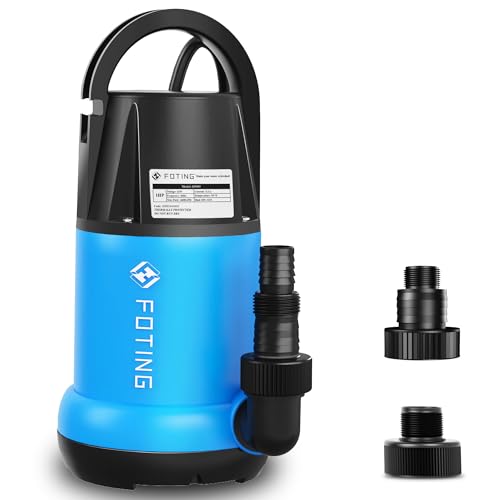
At $59.39, the FOTING undercuts every comparable unit on cost while advertising a 1 HP motor and 4,600 GPH flow rate. The dual clean-and-dirty designation means the intake accepts small particulates without immediate clogging, a practical advantage over pumps limited to clear water.
- Pro: Lowest price in the roundup with a respectable 4,600 GPH rating.
- Pro: Handles both clean and mildly dirty water, offering flexibility for utility drainage tasks beyond basement protection.
- Con: Lacks published warranty details and uses a build quality that owners describe as serviceable rather than durable for multi-year continuous operation.
Skip this if you need a set-and-forget pump. It serves better as a secondary or portable unit than as your primary defense against storm flooding.
WAYNE CDU790 1/3 HP
The CDU790 offers the same cast iron and stainless steel construction as WAYNE’s pricier models but with a smaller motor and slightly reduced flow. At up to 4,600 GPH, it handles moderate inflow effectively, and the integrated vertical float switch eliminates the tether failures that plague cheaper pumps.
- Pro: Heavy-duty build quality at a price well below premium competitors with similar materials.
- Pro: Integrated vertical float switch resists binding and requires minimal maintenance over the pump’s service life.
- Con: The 1/3 HP motor means it will cycle more frequently than larger pumps during sustained heavy rain, adding mechanical wear over time.
Pass on this unit if your area regularly receives tropical-storm rainfall in short bursts. You will want the headroom that a 3/4 or 1 HP motor provides under those conditions.
WAYNE CDU980E 3/4 HP
The CDU980E sits at the top of WAYNE’s consumer sump lineup. Its 5,490 GPH output is the highest flow rate among the cast iron pumps in this comparison, and the five-year warranty is the longest published coverage on this list. For homeowners in flood-prone regions who want a single pump that will not leave them scrambling during a storm, this is the most complete answer.
- Pro: Best-in-class flow rate combined with a five-year warranty provides clear long-term value for the premium price.
- Pro: Cast iron and stainless construction handles abrasive sediment that would degrade plastic-housed competitors quickly.
- Con: The $211.78 price puts it outside budgets where the AQUASTRONG or FOTING deliver higher raw flow for less upfront cost.
If your pit stays mostly clear of debris and you replace pumps every few years anyway, spending this much on construction materials may be unnecessary for your situation.
Sump Pump Submersible 4000 GPH with 25 Ft Hose
This unit distinguishes itself by including a 25-foot discharge hose and a 25-foot cord in the box, eliminating accessory shopping for a basic installation. The 4,000 GPH rating is adequate for average residential flooding scenarios, and the complete-kit approach appeals to homeowners who want minimal assembly.
- Pro: Hose and cord included, reducing total project cost and setup time compared to buying components separately.
- Pro: Straightforward installation path for DIY homeowners without plumbing experience.
- Con: The 4,000 GPH ceiling is the lowest among full-size sump pumps here, meaning it may fall behind during rapidly rising water.
Choose something else if your basement is prone to fast flooding from a high water table or large roof catchment area.
Superior Pump 91250 1/4 HP
The 91250 is a thermoplastic utility pump rated at 1,800 GPH. It is not a primary sump pump by design, but many homeowners use it to clear crawl spaces, window wells, hot tubs, and small puddled areas where a full basement pump is overkill.
- Pro: Compact thermoplastic housing makes it lightweight and easy to relocate for spot drainage tasks.
- Pro: Lowest horsepower means minimal energy draw and quiet operation for areas where noise matters.
- Con: At 1,800 GPH, it cannot serve as your main flood defense in a residential basement during a significant storm.
Do not rely on this as your only pump if you are protecting a finished basement from rain-driven water entry.
Zoeller M53 Mighty-mate 1/3 HP
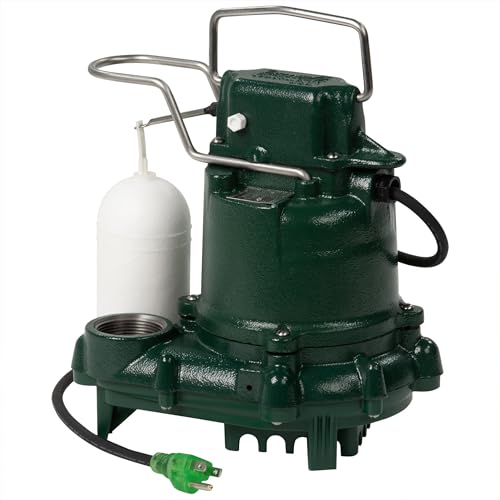
Zoeller is a name commercial contractors specify, and the M53 carries that reputation. The 1/3 HP motor drives solid intake performance, and the unit is known among plumbers for exceeding its warranty period without failure. For homeowners who treat the sump pump as a component they never want to think about again, the M53 delivers that experience.
- Pro: Industry-recognized durability with a track record of multi-year trouble-free operation reported by owners and installers alike.
- Pro: Zoeller’s service network and replacement part availability make long-term ownership straightforward even in rural areas.
- Con: At $214.33, you pay a premium over the WAYNE CDU790, which offers similar horsepower and comparable materials at a lower price.
If upfront cost is your binding constraint, the WAYNE CDU790 gets you close to Zoeller-level build quality for less money.
Buying Guide
Flow Rate and the Difference Between Peak and Sustained Output
Manufacturers publish flow rates measured at zero head, meaning the pump is pushing water straight out with no vertical lift. In a real installation, the discharge pipe rises several feet above the pit and adds friction losses, so actual performance drops meaningfully from the sticker number. A pump rated at 4,500 GPH may deliver only 2,500 to 3,000 GPH at a typical ten-foot head. When comparing units, look for performance curves that show output at the head height matching your installation, and always add a margin above your worst-case inflow estimate.
Float Switch Design and Failure Modes
Vertical float switches move up and down a guide rail, making them resistant to tangling with discharge pipes, debris, or the pump’s own tether. Tethered float switches hang on a cord that can snag, kink, or break, which is the most common cause of silent pump failure during a storm. If a product lists a tethered or pendulum float, verify that the cord material is coated and that the trip point is adjustable. For sump pumps submersible applications where reliability under stress matters most, the vertical design is a decisive practical advantage.
Construction Materials and Corrosion Lifespan
Cast iron housings outlast thermoplastic bodies in environments where the pump sits in water between cycles, because the metal withstands the thermal expansion and contraction that eventually causes hairline cracks in plastic. Stainless steel impellers resist the calcium and mineral deposits found in hard-water regions. If your well or municipal supply runs hard, a pump with a coated or composite impeller will clog and lose performance within a season. Match the material to your water chemistry and pit conditions rather than buying purely on horsepower numbers.
Our Verdict
For overall protection combining flow, durability, and warranty, the WAYNE CDU980E is the top pick. Its 5,490 GPH output, cast iron and stainless construction, and five-year coverage make it the pump most likely to perform correctly during a 2 AM storm without your involvement. On a budget, the WAYNE CDU790 delivers that same cast iron and stainless build with a vertical float switch at a lower price, accepting a modest flow trade-off. However, if your priority is moving the maximum volume of clean water for the least money upfront, the AQUASTRONG 1 HP wins outright—just plan to inspect its float mechanism seasonally and replace the unit earlier than you would a premium pump.
FAQ
What size sump pump do I need for a finished basement?
Start by measuring your pit diameter and estimating how fast water enters during a heavy rain event, then choose a pump whose rated flow exceeds that inflow by at least thirty percent. A 1/3 HP pump handles typical residential pits, while homes with high water tables or large roof catchments benefit from 1/2 HP or greater.
Can a sump pump work during a power outage?
No standard electric pump operates without power. Pair any pump with a battery backup system or connect your sump circuit to a generator so that storm-driven outages do not disable your drainage at the worst possible moment.
How often should I replace a submersible sump pump?
Expect three to five years from budget plastic-housed pumps and seven to ten or more from cast iron units with stainless internals. The variation depends on water chemistry, debris load, and how frequently the pump cycles.
Are sump pumps submersible better than pedestal models?
Submersible pumps sit inside the pit below the water line, making them quieter and less exposed to freezing. Pedestal pumps keep the motor above the pit where it is easier to service but more vulnerable to damage from falling debris or extreme temperature swings.