Key takeaways
- Pressure usually falls as a storm system approaches. Studies associate drops of roughly 5 to 10 hPa (about 0.15 to 0.30 inHg) with more migraine in sensitive people.
- Weather sensitivity is real for some people but not universal; in one diary study only a minority could be statistically confirmed as weather-sensitive.
- Humidity, cold, wind, poor sleep, storm anxiety, and pollen can all add to the “terrible” feeling, not just pressure.
- A simple 6 to 8 week symptom-and-pressure log is the best way to know whether storms affect you.
- Sudden severe headache, chest pain, or trouble breathing is never “just the weather”; get medical help.
If you have ever wondered why do I feel so terrible before a storm, the most likely answer is that your body is reacting to the weather changes that arrive ahead of it: falling barometric pressure, rising humidity, temperature swings, and wind. Research links these shifts to headaches, migraine attacks, joint aches, and fatigue in a subset of people, although scientists still debate exactly how it works and many people show no link at all. The useful part is that the pattern is trackable, so you can learn your own triggers and plan around the forecast.
Key takeaways
- Pressure usually falls as a storm system approaches. Studies associate drops of roughly 5 to 10 hPa (about 0.15 to 0.30 inHg) with more migraine in sensitive people.
- Weather sensitivity is real for some people but not universal; in one diary study only a minority could be statistically confirmed as weather-sensitive.
- Humidity, cold, wind, poor sleep, storm anxiety, and pollen can all add to the “terrible” feeling, not just pressure.
- A simple 6 to 8 week symptom-and-pressure log is the best way to know whether storms affect you.
- Sudden severe headache, chest pain, or trouble breathing is never “just the weather”; get medical help.
Why Do I Feel So Terrible Before a Storm? The Short Science
Barometric pressure is the weight of the air above you. At sea level it averages 1013.25 hectopascals (hPa), or 29.92 inches of mercury (inHg). Storms form in areas of lower pressure, so as one approaches, the reading on a barometer drifts downward, sometimes slowly over a day, sometimes sharply over a few hours.
Your body is not sealed against those changes. Air-filled spaces such as the sinuses and middle ear, and tissues around joints, sit in balance with the surrounding air. One leading idea is that a falling outside pressure lets these tissues expand very slightly, which may irritate nerves in people who are already sensitive. Another is that the inner ear, which senses pressure, sends signals that can set off headache pathways. Neither mechanism is proven, and researchers describe the overall link as plausible but still unsettled.
What is clear is that pressure rarely changes alone. Before a storm you often get a combination of:
- Falling pressure as the low approaches.
- Rising humidity, which many people with joint pain report as uncomfortable.
- Temperature swings, especially warm, muggy air ahead of a cold front.
- Wind and dim light, which can disturb sleep and mood.
- Pollen and mold changes, sometimes stirred up by gusty outflow winds.
Any one of these may be the real trigger for you, which is why personal tracking beats general rules.
How Much Does Pressure Really Change Before a Storm?
The numbers help put symptoms in context. Everyday weather moves pressure only a little; strong systems move it a lot.
| Situation | Typical pressure | Change involved |
|---|---|---|
| Standard sea-level pressure | 1013.25 hPa / 29.92 inHg | Reference point |
| Fair-weather high | About 1020 to 1040 hPa | Slow rises over days |
| Ordinary rain system approaching | About 1000 to 1010 hPa | Drop of roughly 5 to 15 hPa over 12 to 36 hours |
| Range linked to migraine in one Japanese study | 1003 to under 1007 hPa | 6 to 10 hPa below standard |
| Passing thunderstorm | Varies | Brief jumps and dips of a few hPa within an hour |
| Rapidly strengthening winter storm (“bomb cyclone”) | Often below 980 hPa | Drop of 24 hPa or more in 24 hours (definition at 60 degrees latitude) |
| Riding an elevator up 30 floors | Local change | Roughly 10 to 12 hPa in under a minute |
The elevator row is a reminder that pressure change alone is not dangerous. People who feel worse before storms may be responding to the slower, longer drop, to the combination with humidity and temperature, or to factors unrelated to pressure entirely.
Barometric Pressure Headache: What Research Says
Headache and migraine have the most research behind them. Highlights, in plain terms:
- Okuma and colleagues (2015, SpringerPlus) followed a small group of people with migraine in Japan and reported that attacks often developed shortly before low-pressure systems arrived, with the 1003 to 1007 hPa range most associated with onset.
- Kimoto and colleagues (2011) found that in 28 people with migraine, 18 showed a weather link, and attacks rose when pressure fell by more than 5 hPa from one day to the next.
- Mukamal and colleagues (2009) looked at more than 7,000 emergency department visits for headache in Boston and found that lower pressure and higher temperature in the preceding days slightly raised short-term risk.
- A 2024 review in Current Pain and Headache Reports concluded the link between pressure changes and migraine remains controversial, partly because studies are small and use different methods.
Self-reports run higher than confirmed links. Clinic surveys have found that roughly 40 to 50 percent of people with migraine name weather as a trigger, while a prospective diary study confirmed weather sensitivity statistically in only about 13 percent of participants. In other words, many people suspect the weather, and some of them are right.
Feel Bad Before a Storm? Joint Pain, Sinuses, Sleep, and Mood
Joint and old-injury aches
A large UK smartphone project, “Cloudy with a Chance of Pain,” gathered daily symptom reports from more than 2,600 people with chronic pain and matched them to local weather. Days that were humid, windy, and low in pressure were associated with modestly higher odds of a painful day. A separate US analysis of Medicare doctor visits, published in the BMJ in 2017, found no link between rainy days and visits for joint or back pain. Both can be true: weather may nudge how people feel day to day without driving them to the doctor.
Sinus pressure and ear fullness
If your sinuses are already congested from a cold or allergies, outside pressure changes can make that fullness more noticeable, the same way a flight descent does. This is one of the easier sensations to recognize because it centers on the face and ears.
Sleep and fatigue
Muggy nights, wind noise, thunder, and phone alerts all cut into sleep. A short night alone is enough to make many people feel run down, achy, and foggy the next day, even with no direct pressure effect.
Storm anxiety
Watching radar, prepping the house, and worrying about power outages raise stress. Fear of thunder and lightning is common, especially in people who have lived through damaging storms. Stress can amplify pain and headaches on its own.
Pollen and breathing
Thunderstorm outflow winds can sweep pollen into the air and break grains into tiny particles, a known cause of “thunderstorm asthma” events. If you have asthma or hay fever and feel tight-chested before or during storms, talk to your doctor about a plan.
How to Track Your Own Weather Sensitivity
A personal log turns a vague feeling into evidence you can act on and share with a clinician. Here is a simple method:
- Pick one or two symptoms to track. For example, headache and knee pain. Tracking everything becomes noise.
- Score them once a day at the same time. A 0 to 10 scale works. Consistency matters more than precision.
- Record the pressure and its 24-hour change. Use a home barometer or the pressure figure in your weather app. The change matters more than the absolute number.
- Note confounders. Sleep hours, alcohol, caffeine, missed meals, stress, and menstrual cycle can all mimic a weather effect.
- Keep going for 6 to 8 weeks. That usually captures several frontal passages and calm spells for comparison.
- Look for a lag. Some people feel worse 12 to 24 hours before rain, others during the steepest drop. Compare symptom days with the day before.
- Share the log with your doctor. A pattern gives them something concrete to work with if you need medical advice.
| Day | Pressure (hPa) | 24-hour change | Headache (0-10) | Sleep (hours) | Notes |
|---|---|---|---|---|---|
| Mon | 1021 | +2 | 0 | 7.5 | Clear |
| Tue | 1016 | -5 | 2 | 7 | Clouds building |
| Wed | 1007 | -9 | 6 | 5.5 | Humid, front approaching |
| Thu | 1004 | -3 | 4 | 6 | Storms in afternoon |
| Fri | 1015 | +11 | 1 | 7.5 | Clearing, cooler |
In this example, the worst day lines up with the steepest 24-hour drop and a short night, which is exactly the kind of overlap a log reveals.
Practical Ways to Feel Better When a Storm Is Coming
These are general comfort and planning steps, not medical advice. If you have a diagnosed condition, follow the plan your doctor gave you.
- Use the forecast as an early cue. When your log shows a pattern, a falling-pressure forecast becomes a reminder to rest, hydrate, and follow any plan your clinician set up.
- Protect sleep. Keep the bedroom cool, use a fan or white noise to mask wind and thunder, and silence non-urgent notifications while keeping emergency alerts on.
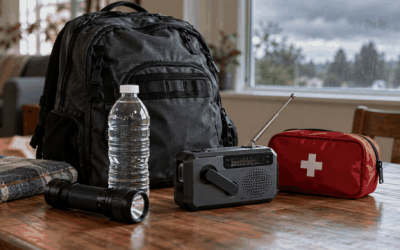
- Prepare early. Charging power banks, checking flashlights, and securing outdoor items a day ahead reduces last-minute stress.
- Keep moving gently. Light stretching or a short indoor walk helps many people with stiff joints feel looser.
- Stay hydrated and eat regularly. Dehydration and skipped meals are common headache triggers that pile on top of weather changes.
- Manage indoor humidity. A dehumidifier set around 40 to 50 percent can make muggy pre-storm air feel more comfortable.
Gear That Helps You Track Pressure
A weather app works, but a dedicated barometric display makes the trend visible at a glance.
- La Crosse Technology 308-1417 Wireless Barometric Pressure Weather Station · barometric pressure history · indoor/outdoor temperature and humidity · atomic time with forecast icons. Useful because it shows pressure trends on one screen, which is what your log needs.
- AcuRite Wireless Home Weather Station with Color Display (02077M) · indoor/outdoor temperature and humidity · color display · forecast icons. A simpler option if humidity and temperature are your main triggers; check whether you need on-screen pressure history before choosing it.
When to See a Doctor
Weather can make you feel worse, but it should not be blamed for warning signs. Get urgent medical care for a sudden, severe headache that peaks within a minute, a headache with fever and stiff neck, weakness, confusion, vision loss, or trouble speaking, chest pain, or difficulty breathing. Make a routine appointment if storm-day symptoms are frequent, getting worse, or interfering with work or sleep.
Frequently Asked Questions
Can barometric pressure really cause headaches?
Several studies link falling pressure with more migraine attacks in sensitive people, often with drops of 5 to 10 hPa. Reviews still call the evidence mixed because studies are small. If you suspect a link, a symptom-and-pressure log is the best way to check for yourself.
Why do my joints ache before rain?
One theory is that lower outside pressure lets tissues around joints expand slightly, irritating sensitive nerves, while cold and humidity add stiffness. A large UK smartphone study found modestly higher odds of pain on humid, windy, low-pressure days. Not everyone notices it.
How far ahead of a storm can people feel it?
Many people report symptoms 12 to 24 hours ahead, when pressure starts its steadiest drop. Others feel it only during the storm or after a sharp change. Your own log will show your timing.
Is weather sensitivity a medical condition?
It is not a formal diagnosis on its own. It is usually described as a trigger for existing conditions such as migraine or arthritis. A doctor can help you identify the underlying condition and a plan that fits you.
What pressure reading means a storm is coming?
The trend matters more than any single number. A steady fall of several hPa over 6 to 12 hours, especially below about 1005 hPa, often signals an approaching low and unsettled weather. Always confirm with official forecasts and alerts.
Why do I feel tired and moody before storms?
Dim light, muggy air, disrupted sleep from wind or thunder, and stress about preparing for the storm can all lower energy and mood. These effects can stack with any pressure sensitivity. Protecting sleep and preparing early help many people.