Key takeaways
- 0-10 minutes: Confirm your location. Check if your county is inside the watch box on weather.gov or a NOAA Weather Radio. Do not rely on county-wide sirens for a watch.
- 10-20 minutes: Identify shelter now. Choose a basement, storm cellar, or interior room on the lowest floor with no windows, such as a closet, bathroom, or hallway. Clear space and place shoes, helmets, flashlight, and blankets there.
- 20-30 minutes: Set up multiple alerts. Turn on Wireless Emergency Alerts on your phone, turn volume up on a NOAA Weather Radio with SAME programming, and open a local radar app with location tracking. A warning can upgrade fast at night.
- 30-45 minutes: Secure your home. Close and latch windows and interior doors to compartmentalize pressure and debris. Bring in trash cans, patio furniture, and grills. Park cars in garage and close garage door.
- 45-60 minutes: Prepare people and pets. Keep shoes on, leashes and carriers by shelter, medications and baby supplies in a go-bag. Tell family where to go if separated. If you must travel, plot a route that avoids bridges and open highways.
A tornado watch means conditions are favorable for tornadoes in your area, so get ready to shelter. A tornado warning means a tornado has been spotted or indicated by radar, so take shelter immediately.
Mixing up tornado watch vs warning is dangerous because they require completely different actions. A watch is your preparation window, often lasting hours. A warning is your survival window, often lasting minutes. This guide explains the difference between tornado watch and warning and exactly what to do for each.
Tornado Watch vs Warning: Quick Comparison
Use this head-to-head table when you hear tornado warning vs watch alerts and need to decide in seconds.
| Feature | Tornado Watch | Tornado Warning |
|---|---|---|
| Meaning | Tornadoes are possible | Tornado is happening or imminent |
| Who issues it | Storm Prediction Center | Local National Weather Service office |
| Typical coverage area | Large: 20,000-30,000 sq miles, multiple counties | Small: part of 1-2 counties, often a polygon 10-25 miles wide |
| Typical duration | 4 to 8 hours | 30 to 60 minutes |
| Average lead time before tornado | 2 to 6 hours of preparation time | 9 to 15 minutes of action time |
| Alert color on maps | Yellow / tan box | Red polygon |
| Action required | Prepare to shelter, monitor weather | Shelter now in lowest interior room |
| Siren use | Usually not sounded | Often sounded in affected area |
What Is a Tornado Watch?
A tornado watch is issued when atmospheric conditions can produce tornadoes and severe thunderstorms. It does not mean a tornado is on the ground.
Think of a watch as “watch the sky.” The Storm Prediction Center issues it after analyzing instability, wind shear, moisture, and lift. A typical watch covers parts of several states and lists the primary threats, such as “a few intense tornadoes,” large hail up to 2.75 inches, and wind gusts to 70 mph.
Watch vs warning tornado confusion often comes from the word “watch.” It sounds passive, but it is your best time to act calmly. You usually have hours, not minutes, to secure outdoor items, charge phones, bring pets inside, fuel your car, and review your shelter plan.
What to Do During a Tornado Watch: 60-Minute Checklist
Do these steps in order as soon as a tornado watch vs tornado warning alert shows a watch for your county:
- 0-10 minutes: Confirm your location. Check if your county is inside the watch box on weather.gov or a NOAA Weather Radio. Do not rely on county-wide sirens for a watch.
- 10-20 minutes: Identify shelter now. Choose a basement, storm cellar, or interior room on the lowest floor with no windows, such as a closet, bathroom, or hallway. Clear space and place shoes, helmets, flashlight, and blankets there.
- 20-30 minutes: Set up multiple alerts. Turn on Wireless Emergency Alerts on your phone, turn volume up on a NOAA Weather Radio with SAME programming, and open a local radar app with location tracking. A warning can upgrade fast at night.
- 30-45 minutes: Secure your home. Close and latch windows and interior doors to compartmentalize pressure and debris. Bring in trash cans, patio furniture, and grills. Park cars in garage and close garage door.
- 45-60 minutes: Prepare people and pets. Keep shoes on, leashes and carriers by shelter, medications and baby supplies in a go-bag. Tell family where to go if separated. If you must travel, plot a route that avoids bridges and open highways.
If you live in a mobile home, RV, or vehicle during a watch, this is the time to relocate. These structures offer almost no protection even in an EF1 tornado with winds of 86-110 mph. Plan to move to a sturdy building, community shelter, or designated safe room before storms arrive.
What Is a Tornado Warning?
A tornado warning means a tornado has been seen by spotters or detected by Doppler radar rotation. It means take shelter immediately because the threat is happening now.
Warnings are issued by your local National Weather Service office and cover a much smaller area than a watch. Modern warnings use a storm-based polygon, not a full county, to reduce false alarms. A warning will name the storm location, movement direction and speed, and affected towns with estimated arrival times, for example: “tornado near El Reno moving northeast at 35 mph, will be near Yukon at 7:42 PM.”
There are two levels you may see in the text:
- Radar indicated: Rotation is tight enough to likely produce a tornado. Shelter immediately even if you cannot see a funnel.
- Observed / confirmed: A funnel cloud, debris ball, or tornado is visually confirmed. This can escalate to a Tornado Emergency for large, destructive tornadoes in populated areas, which means a severe threat to human life is underway.
What to Do During a Tornado Warning: Act in Under 3 Minutes
- Minute 0-1: Go to shelter. Go to basement or lowest interior room away from windows and exterior walls. Crouch low, cover head and neck with arms, blanket, mattress, or helmet. Keep shoes on to protect from debris after the storm.
- Minute 1-2: Protect your airway and information. Grab phone, weather radio, and flashlight if within arm’s reach. Do not go back for valuables. Close the shelter door. If in a basement, get under stairs or heavy furniture and away from windows.
- Minute 2-3: Stay put. Stay sheltered until the warning expires, even if quiet. Many injuries happen from the second circulation or from leaving too early. Listen for “tornado warning cancelled” or “expired,” not just silence outside.
Do not open windows to equalize pressure. Do not try to outrun a tornado in a car. If you are caught outside with no building, lie flat in a low ditch away from cars and trees and cover your head, understanding this is a last resort with high risk from flooding and debris.
Where You Are Changes What to Do
The difference between tornado watch and warning also depends on your location. Use this decision matrix:
| If You Are In… | During a Watch | During a Warning |
|---|---|---|
| House with basement | Clear basement stairs, test flashlight, move valuables off floor in case of flooding | Go to basement corner under sturdy table, away from windows and heavy appliances above |
| House/apartment, no basement | Pick lowest-floor interior closet or bathroom, add bike helmets and blankets | Get inside tub or closet, cover with mattress, close bathroom/closet door |
| Mobile / manufactured home | Leave for sturdy building or public shelter now; identify 2 routes | Abandon mobile home immediately for ditch or sturdy building nearby; do not shelter inside it |
| School or office | Review shelter drill, keep shoes on, monitor PA system | Go to designated interior hallway on lowest floor, kneel facing wall, hands over head |
| Car on road | Check radar, avoid driving into watch box, plan to stop at rest stop or gas station building | Do not drive under overpass; park safely and enter sturdy building, or as last resort lie in low ditch with seatbelt off |
| Large store / gym | Note exits and restrooms/cooler areas away from wide-span roof | Move to restroom, storage room, or other small interior room; avoid large open roof areas that can collapse |
How You Will Be Alerted
A common reason people ask about tornado watch vs warning is they only get one type of alert. Set up all three layers:
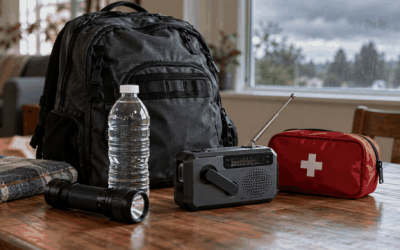
- NOAA Weather Radio with SAME code for your county: Set alarm mode to ON for warnings, and monitor mode for watches. Use battery backup with 6-8 hours runtime. Keep volume loud enough to wake sleepers.
- Phone Wireless Emergency Alerts: On iPhone go to Settings, Notifications, scroll to Government Alerts and enable Emergency Alerts and Public Safety Alerts. On Android go to Settings, Safety and Emergency, Wireless Emergency Alerts and enable Extreme Threats. Keep Do Not Disturb set to allow emergency alerts.
- Local TV, weather.gov, and radar app: Follow your local National Weather Service office on social media and enable push notifications. Watch for EAS crawl, red polygon maps, and text like “TAKE COVER NOW.”
Outdoor sirens are for people outdoors and are not designed to wake you indoors. Never wait for a siren if your phone or weather radio shows a warning for your exact location.
After the Warning: Safe Exit Steps
- Wait for official all-clear. A warning may be cancelled early or extended by 30 minutes. Check the expiration time, not just radar silence.
- Watch for hidden hazards. Stay in shoes, avoid downed power lines, gas leaks, nails, and flooded areas. Do not enter heavily damaged buildings.
- Check on neighbors only when safe. Text rather than call to keep lines open. Report downed lines to 911 and damage to your local emergency management office.
Frequently Asked Questions
Which is worse: tornado watch or warning?
A tornado warning is more urgent. A watch means be prepared. A warning means take action now because a tornado is occurring or will hit within minutes.
Can a warning be issued without a watch?
Yes. Fast-developing storms or tropical systems can trigger a tornado warning with no prior watch, especially near coasts or mountains. This is why continuous alerts matter even on days with low forecast risk.
How long does a tornado warning last?
Most last 30 to 45 minutes. If the storm persists, the National Weather Service will issue a new warning or extend the polygon. Stay sheltered until your specific location is cleared.
What should I do at night during a tornado watch?
Sleep in clothes and shoes near your shelter area, keep phones and weather radio on loud, and keep pets crated nearby. Nighttime tornadoes are about twice as deadly because they are hard to see and people are sleeping.