Key takeaways
- Use a rigid, well-spaced foundation; excessive slat spacing can cause sagging and may void the warranty.
- Use a breathable, washable protector to limit sweat, spills, and allergens.
- Rotate the mattress only according to the manufacturer’s instructions, commonly every 3–6 months.
- Vacuum the surface during linen changes, but avoid soaking foam or using harsh chemicals.
- Check the frame and center support annually; a weak frame can feel like a defective mattress.
The best mattresses for back pain are usually medium-firm models with responsive support, noticeable pressure relief at the hips and shoulders, and enough edge stability to let you sit down and stand up safely; the right choice still depends on your sleeping position, body weight, and whether you share the bed.
Our top picks

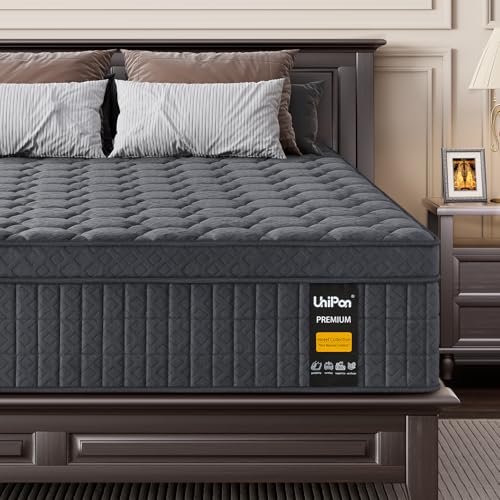
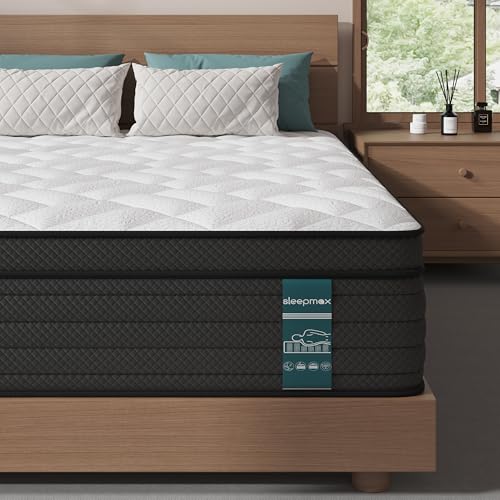
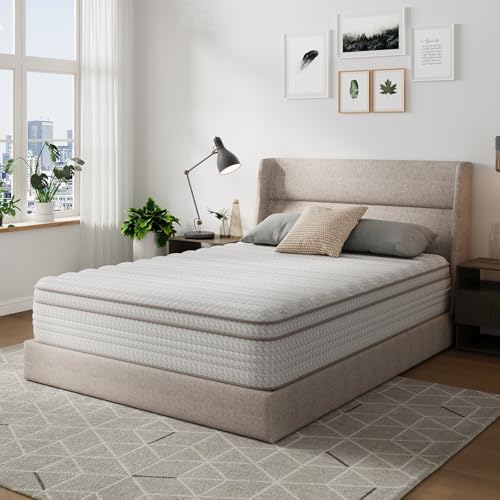
As an Amazon Associate we earn from qualifying purchases at no extra cost to you. Ratings are shown as listed on Amazon.
Best mattress choices by sleeping situation
| Situation | Best mattress direction | Useful firmness range | Why it fits |
|---|---|---|---|
| Back sleeper, average build | Medium-firm hybrid or latex | 6–7 out of 10 | Keeps the pelvis from sinking too far while cushioning the lower back |
| Side sleeper with pressure at the shoulder or hip | Medium hybrid with thicker comfort layers | 5.5–6.5 out of 10 | Allows the shoulder and hip to settle without losing underlying support |
| Stomach sleeper | Firmer hybrid or latex | 7–8 out of 10 | Reduces excessive midsection sink that can push the spine out of alignment |
| Couple with different preferences | Motion-isolating hybrid or split firmness | About 6–7 out of 10 | Balances movement control with dependable support |
| Heavier body type | High-density hybrid with reinforced edges | 6.5–8 out of 10 | Provides deeper support, stronger perimeter structure, and better long-term stability |
Our strongest mattress types for back support
Best overall direction: a medium-firm zoned hybrid
A hybrid combines pocketed coils with foam or latex. For many adults, it offers a useful compromise: coils provide lift and airflow, while the comfort layers relieve pressure. Look for lumbar zoning, such as firmer coils through the center third, rather than assuming that every “orthopedic” or “back support” label means the same thing.
The Saatva Classic is a recognizable example of this category. It uses individually wrapped coils, a separately reinforced support base, and a lumbar-support design, with Luxury Firm generally positioned as the middle option. Its 11.5-inch and 14.5-inch versions offer different overall heights rather than fundamentally different firmness choices. General market pricing for premium hybrids of this kind commonly ranges from about $1,200 to more than $3,000, depending on size and sales.
Best for pressure relief: a thicker foam or foam-hybrid mattress
Memory foam can reduce pressure around the shoulders and hips because it slowly conforms to the body. That can suit side sleepers, but very soft foam may allow the pelvis to sink excessively, particularly for larger sleepers or people who change positions often. A better target is a responsive foam hybrid with at least 2–4 inches of pressure-relieving material above a supportive core.
Tempur-Pedic mattresses are well known for dense pressure-relieving foam. They may suit sleepers who prefer a slow, enveloping feel and strong motion isolation. They are less appealing if you sleep hot, dislike a “stuck” sensation, or need exceptionally easy repositioning. Allow extra time for the feel to settle and verify the brand’s current trial and return conditions before ordering.
Best for buoyant support: latex
Latex responds more quickly than memory foam, so it is easier to turn over on. It also tends to sleep cooler and can be durable when properly supported. The trade-off is less body-hugging pressure relief and, in some models, more noticeable surface bounce.
Latex is worth considering for combination sleepers, people who dislike deep sink, and anyone seeking a mattress made without conventional polyurethane comfort foam. Natural latex mattresses often cost roughly $1,500–$4,000 for a queen, depending on whether they use Dunlop or Talalay latex, the number of layers, and the cover materials.
Firmness is not the same as support
Firmness describes the surface feel; support describes whether the mattress keeps your body from sagging into an uncomfortable position. A very firm mattress can still lack support if its core compresses unevenly. Conversely, a medium mattress can support a back sleeper well if its transition layer and coils prevent excessive sink.
As a practical starting point, average-weight back sleepers often do well around 6–7 on a 10-point firmness scale. Side sleepers usually need more surface cushioning, while stomach sleepers generally need a firmer, flatter surface. Body weight changes the experience: a mattress that feels medium-firm to a 150-pound sleeper may feel softer to a 230-pound sleeper.
Why zoning matters—and when it can be uncomfortable
Zoned construction uses different support levels across the mattress. A common arrangement is firmer support beneath the pelvis and waist, with slightly more give beneath the shoulders. This can help maintain a more neutral sleeping posture, but zoning is not automatically better. If the transition between zones is too abrupt, a smaller sleeper may feel an unwanted ridge beneath the waist.
When comparing zoned mattresses, check whether the zones run from head to foot or use a targeted lumbar insert. If you share a bed, consider each person’s position and size: a zone designed for a larger adult may not line up with a shorter sleeper’s hips.
Mattress height, body type, and edge support
Mattress height affects more than appearance. A 10–12-inch mattress is often sufficient for a single sleeper, while 12–15 inches can provide room for thicker comfort layers, stronger transitions, and more usable support for larger bodies. Height also affects the final bed height. A 14-inch mattress on a tall platform may make sitting down difficult.
Edge support is especially important if you sleep near the perimeter, share a smaller bed, or use the edge to get up. Look for reinforced coils, a firmer foam rail, or both. A mattress can have excellent center support but feel unstable at the edge if its perimeter collapses under seated weight.
For a quick fit check, add the mattress height, foundation height, and bed-frame height. For example, a 12-inch mattress plus an 8-inch foundation plus a 6-inch frame creates a 26-inch sleeping surface before bedding. If your knees are well above your hips when seated, a lower foundation or thinner mattress may be more practical.
Decision matrix: match the mattress to the buyer
| Buyer priority | Recommended construction | What to prioritize | What to avoid |
|---|---|---|---|
| Lowest reasonable cost | Simple 10–12-inch foam or basic hybrid | At least 2 inches of comfort foam, a durable base, and a clear return policy | Very thin comfort layers that bottom out |
| Maximum cooling | Coil-and-latex hybrid | Breathable cover, ventilated coils, and less heat-retaining foam | Very dense all-foam designs if you already sleep hot |
| Frequent position changes | Responsive hybrid or latex | Low-motion-effort surface and moderate contouring | Very slow, deeply conforming foam |
| Large sleeper or heavy use | Reinforced hybrid | Strong edge rails, high-density foam, and an appropriate foundation | Unsupported slats or unusually soft pillow-top models |
| Different preferences in one bed | Split king, dual firmness, or adjustable firmness | Independent adjustment and compatible bases | Choosing one firmness solely by one partner’s preference |
Trial periods and returns deserve close attention
A showroom test rarely reveals how a mattress feels after several hours in one position. A home trial of at least 90 nights gives you more useful information, although many companies require an initial break-in period before arranging a return. Read the policy for return fees, pickup rules, prorated refunds, exchanges, and whether the foundation must meet specific requirements.
During the trial, keep the mattress on the recommended base and use a washable protector. Test it for at least two weeks unless it causes severe discomfort. Keep notes on your sleeping position, morning stiffness, heat, edge stability, and whether you wake when your partner moves. This turns a vague impression into a decision based on repeated use.
Ownership realities: what wears first
Comfort layers usually soften before the coil unit or support core fails. Body impressions are more likely when a mattress has thick, soft foam, is used by heavier sleepers, or is never rotated when the manufacturer permits rotation. Do not flip a one-sided mattress unless the instructions specifically allow it.
- Use a rigid, well-spaced foundation; excessive slat spacing can cause sagging and may void the warranty.
- Use a breathable, washable protector to limit sweat, spills, and allergens.
- Rotate the mattress only according to the manufacturer’s instructions, commonly every 3–6 months.
- Vacuum the surface during linen changes, but avoid soaking foam or using harsh chemicals.
- Check the frame and center support annually; a weak frame can feel like a defective mattress.
Bottom line
For most shoppers, start with a medium-firm hybrid, preferably with moderate lumbar zoning, at least 12 inches of total height, and reinforced edges. Choose more cushioning if you are a side sleeper, more responsive latex or coils if you move frequently, and a firmer reinforced design if you sleep on your stomach or need stronger perimeter support. Mattress comfort is individual, and persistent back pain, numbness, weakness, or pain that disrupts daily life should be discussed with a qualified healthcare professional rather than managed by mattress changes alone.