Key takeaways
- Place the grill on a stable, heat-resistant counter under an operating range hood that vents outdoors when possible.
- Keep the grill away from curtains, paper goods, cabinets, and the edge of the counter.
- Open a nearby window if safe and use a fan to move air toward the exhaust route, not directly across the hot plate.
- Trim excess fat and blot wet marinades before cooking; liquid sugar and oil create smoke faster than dry-seasoned meat.
- Do not use charcoal indoors, even near an open window or beneath a household range hood.
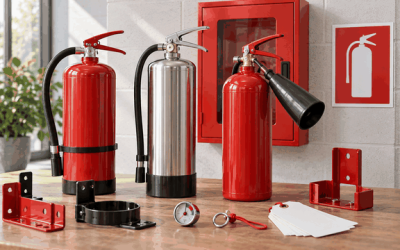
- Keep a properly maintained fire extinguisher accessible, and never pour water onto an electrical or grease fire.
The best Korean BBQ grills for indoor cooking are electric tabletop grills with a removable grease tray, adjustable heat, a cooking surface of at least 90 square inches, and enough smoke control for your room’s ventilation—not necessarily the grill with the highest wattage.
Our top picks


As an Amazon Associate we earn from qualifying purchases at no extra cost to you. Ratings are shown as listed on Amazon.
Best indoor Korean BBQ grills by situation
| Best for | Recommended type or model | Useful specifications | Main trade-off |
|---|---|---|---|
| Most traditional tabletop setup | Zojirushi EB-CC15 Indoor Electric Grill | About 1,300 watts; roughly 12-inch cooking area; adjustable thermostat; titanium-enhanced nonstick surface | Open grilling can still create smoke with fatty meats |
| Large meals and mixed foods | Cuisinart Griddler Deluxe or similar reversible-plate grill | Up to about 1,800 watts; approximately 9-by-12-inch plates; grill and griddle surfaces; removable drip tray | More countertop space and more parts to wash |
| Lower-cost Korean BBQ nights | Electric tabletop grill with a 1,000- to 1,300-watt heating element | Usually 90–120 square inches; variable heat; detachable tray; typically about $35–$70 | Temperature recovery and coating durability vary widely |
| Small kitchen or apartment | Compact smokeless-style indoor grill | About 70–100 square inches; 1,200–1,500 watts; water-assisted or enclosed drip system on some designs | Less room for bulgogi, vegetables, and banchan at the same time |
Specifications can differ by region and production year, so confirm the rating label, plate dimensions, and included accessories before buying. For Korean BBQ, the cooking surface and grease path matter more than headline wattage.
What makes a grill suitable for Korean BBQ indoors?
Electric heat is the practical choice
Use an electric grill rather than charcoal, butane, or an indoor gas burner. Electric models avoid combustion gases and are easier to regulate, making them the appropriate starting point for a home kitchen. They still produce airborne grease and smoke when meat fat hits a hot surface, so “electric” does not mean smoke-free.
A 1,200- to 1,500-watt grill is generally adequate for thin-sliced beef, pork belly, chicken, mushrooms, and vegetables. Higher wattage can restore heat faster after cold meat is added, but it can also scorch marinades and generate more smoke. A controllable thermostat is more useful than maximum power alone.
Choose a surface that matches your group
For two people, around 80–100 square inches is workable if food is cooked in batches. Three or four diners will be more comfortable with approximately 110–140 square inches. A useful sizing calculation is to allow about 25–35 square inches of active cooking area per person. That gives a four-person meal a target of 100–140 square inches, before allowing room for the grease channel.
Ridges create attractive grill marks and help some fat drain away, while a shallow flat section is better for kimchi, mushrooms, onions, and small pieces of meat. A fully ridged plate is not always the best Korean BBQ plate because loose ingredients can slip into the drain or cook unevenly.
Smoke control and ventilation: the decision that matters most
Look for a broad grease channel, a shielded heating element, and a drip tray positioned below the cooking surface. Water reservoirs can reduce smoke from dripping fat on some designs, but they do not eliminate smoke and require careful filling and cleaning.
- Place the grill on a stable, heat-resistant counter under an operating range hood that vents outdoors when possible.
- Keep the grill away from curtains, paper goods, cabinets, and the edge of the counter.
- Open a nearby window if safe and use a fan to move air toward the exhaust route, not directly across the hot plate.
- Trim excess fat and blot wet marinades before cooking; liquid sugar and oil create smoke faster than dry-seasoned meat.
- Do not use charcoal indoors, even near an open window or beneath a household range hood.
- Keep a properly maintained fire extinguisher accessible, and never pour water onto an electrical or grease fire.
If your kitchen has no effective ventilation, choose a low-fat menu cooked at moderate heat or use an outdoor appliance instead. A product marketed as “smokeless” should be treated as smoke-reducing, not smoke-proof.
Head-to-head: open tabletop grill versus enclosed-plate grill
Open tabletop electric grill
A model such as the Zojirushi EB-CC15 is closer to the shared tabletop experience: food is visible, thin slices can be turned quickly, and the layout leaves space for vegetables. Its removable cooking plate and drip pan also make the grease path relatively easy to understand. The disadvantages are exposed cooking vapors, a less precise seal around the grease channel, and the need for stronger ventilation.
Enclosed or contact-style grill
A Cuisinart Griddler Deluxe-style appliance clamps food between heated plates and can use grill or griddle surfaces. It usually offers fast heat recovery and a more contained cooking zone. It is useful for chicken, sandwiches, and larger pieces of meat, but it is less suited to the social Korean BBQ habit of adding small pieces continuously. Closing the lid can also steam marinated meat rather than sear it, especially when too much food is loaded at once.
For Korean BBQ specifically, an open electric tabletop design usually wins when ventilation is good. An enclosed-plate design is the safer compromise when counter space is limited and you want one appliance for several cooking jobs.
Buying checklist: five specifications to compare
- Heat adjustment: Prefer a continuous dial or several clear settings over a single on/off switch.
- Cooking area: Measure the usable plate, excluding handles and grease channels.
- Grease handling: The tray should slide out without lifting the hot plate and should hold at least 250 milliliters for a long meal.
- Plate material: Nonstick aluminum heats quickly and is easy to clean; cast iron holds heat well but is heavier and may require seasoning.
- Cleaning design: Removable plates and dishwasher-safe trays reduce the chance that grease will accumulate around the heating element.
Also check cord length, cool-touch handles, nonslip feet, and whether replacement plates or trays are available. A grill that cannot be cleaned around its hinge, thermostat connection, or drain is likely to become unpleasant before its heating element fails.
How to use an indoor Korean BBQ grill with less smoke
- Prepare the ventilation first. Turn on the hood and open the window before preheating, because the first high-heat cycle can release residue from the plate.
- Cut meat thinly. Slices around 3–5 millimeters cook quickly, reducing the time fat remains on the hot surface.
- Drain excess marinade. Leave a light coating for flavor, but avoid placing dripping-wet meat on the grill.
- Preheat moderately. Start around 375–425°F if the controls provide temperatures. Increase heat only if the meat is not browning.
- Cook in small batches. Covering more than about two-thirds of the surface traps moisture and causes steaming and splattering.
- Clear the grease channel. Use tongs and a heat-resistant utensil; do not scrape aggressively with metal tools on nonstick coatings.
- Cool before washing. Unplug the appliance, let it cool fully, then remove the plate and tray according to the manual.
Ownership realities: what wears out first?
On budget grills, the nonstick coating and thermostat are usually more vulnerable than the heating element. Metal utensils, abrasive pads, dishwasher heat, and repeatedly overheating an empty plate shorten coating life. Grease trays can warp or retain odors, while detachable electrical connectors can corrode if they are submerged or left wet.
For a household cooking Korean BBQ twice a month, a $40–$70 tabletop grill may provide good value if its plate and tray are removable. At four uses per month over two years, a $60 appliance costs about $0.63 per use before electricity and food. A $120 model used weekly for two years costs about $1.15 per use, but may be worthwhile if its larger plate, sturdier thermostat, and replaceable parts prevent early replacement.
Do not use cooking spray unless the manufacturer permits it; aerosol propellants can leave a sticky film on some nonstick surfaces. Instead, lightly oil the food or brush a small amount of high-smoke-point oil onto the plate.
Final recommendation
For most households seeking the best Korean BBQ grills indoor, choose a 1,200- to 1,500-watt open electric grill with at least 100 square inches of usable surface, a removable grease tray, adjustable heat, and a plate that can be washed separately. Choose the Zojirushi EB-CC15-style format for a dedicated tabletop experience, a Cuisinart Griddler Deluxe-style appliance for versatility, or a compact smokeless-style grill when space and ventilation are the limiting factors. Whatever the model, smoke control depends as much on trimming fat, draining marinades, cooking in batches, and using outdoor-vented ventilation as it does on the grill’s label.