Key takeaways
- Pro: Vet-approval signals that component sizes and types were chosen with animal anatomy in mind, not just generic human first aid items repackaged in a pet-branded pouch.
- Pro: Owner feedback consistently praises the layout and label clarity, which matters when you are applying a bandage to a thrashing dog in dim light.
- Con: The case is not water resistant, so it is a poor choice for outdoor storage or rough trail use.
When a dog tears a paw pad on gravel, gashes a leg on a fence wire, or swallows something sharp, the nearest veterinary clinic is often too far for the critical first minutes. A dog first aid kit is not a luxury item for obsessive pet owners. It is the difference between a controlled wound and a septic one, between a calm trip to the ER and a panicked one. The problem is that the market has flooded with pouches that look identical online but differ dramatically in what is actually inside them and whether the contents survive being shoved in a glovebox or a hiking pack for months.
What separates a worthwhile kit from a cheap disappointment comes down to three things: whether the components are appropriate for an animal (human gauze sizes and tourniquets are not the same as canine equivalents), whether the packaging keeps supplies clean and accessible under stress, and whether the included instructions assume the owner has zero veterinary background. The options below range from single-purpose stop-gap powders to comprehensive kits with over one hundred pieces, and the right choice depends on where you are most likely to need one.
Our top picks


As an Amazon Associate we earn from qualifying purchases at no extra cost to you.
Quick Picks
| Product | Best for | Price |
|---|---|---|
| Vet-Approved Essential Kit | General home preparedness for dogs and cats | $34.95 |
| ARCA PET Car Kit | Keeping a kit in the vehicle for roadside pet emergencies | $35.90 |
| Vet-Approved Travel Kit | Lightweight everyday carry without breaking the bank | $19.95 |
| ARCA PET Reflective Kit | Hikers and backpackers who need visibility in low light | $19.95 |
| Miracle Care Kwik Stop | Quick bleeding control after nail trims or minor cuts | $8.49 |
| EVERLIT Pet Medic Kit | Owners who want a high piece count in a compact bag | $34.99 |
| ARCA PET 100-Piece Kit | Comprehensive coverage with thermometer and tick remover | $54.99 |
| Chew + Heal Liquid Bandage | Wound sealing on sensitive paw pads and hot spots | $12.98 |
How We Picked
We compared published component lists, price-to-piece ratios, packaging design, and aggregated owner feedback from long-term users. The four criteria that matter most in this category are veterinary appropriateness of the included supplies, durability and weather resistance of the carrying case, clarity of the included instructions or manual, and whether the kit is organized well enough to find what you need while your hands are shaking and the animal is in distress.
The 8 Best Dog First Aid Kit in 2026
Vet-Approved Essential Kit
This kit targets owners who want a single comprehensive solution for a household with both dogs and cats. It is the more robust of the two “Vet-Approved” options and includes a wider assortment of bandaging materials, antiseptic wipes, and wound-care tools than its sibling.
- Pro: Vet-approval signals that component sizes and types were chosen with animal anatomy in mind, not just generic human first aid items repackaged in a pet-branded pouch.
- Pro: Owner feedback consistently praises the layout and label clarity, which matters when you are applying a bandage to a thrashing dog in dim light.
- Con: The case is not water resistant, so it is a poor choice for outdoor storage or rough trail use.
Skip this one if you primarily need a kit for hiking or car storage where heat and moisture will degrade adhesive supplies over time.
ARCA PET Car Kit
Designed specifically for vehicle storage, this kit bundles a muzzle, a compact first aid pouch, and core wound-care supplies into a format that fits a glovebox or center console without rattling around.
- Pro: The included muzzle is a practical addition that many home-oriented kits omit, addressing the biting reflex that triggers during pain or fear.
- Pro: ARCA PET builds a strong reputation for compact packaging that survives months in a car trunk through temperature swings.
- Con: Piece count is lower than home-focused kits, meaning you will likely need to supplement with separate gauze or antiseptic purchases.
Pass if you already carry a larger kit at home and only need redundancy; this one works best as a dedicated vehicle complement.
Vet-Approved Travel Kit
The lighter sibling of the Essential Kit, aimed at owners who want a smaller footprint for overnight trips, plane carry-ons, or a drawer that does not overflow. Same vet-approved philosophy, fewer components.
- Pro: At under twenty dollars, it is one of the most accessible entry points into preparedness for households new to pet first aid.
- Pro: Owners report the pouch holds up well in a backpack side pocket without splitting seams.
- Con: The reduced piece count means you may run out of key items like gauze pads after treating a moderate wound.
Not ideal as a sole kit if you live far from an emergency veterinary clinic; pair it with a larger home option.
ARCA PET Reflective Kit
Built for outdoor use, this kit features a water resistant, high-visibility reflective pouch designed for hiking, backpacking, sports, and hunting scenarios where darkness and weather are factors.
- Pro: The reflective exterior makes the pouch easy to locate at night in tall grass or snow, a real problem with standard dark-colored kits.
- Pro: Water resistance protects adhesive bandages and antiseptic wipes from humidity and light rain.
- Con: Internal organization is tighter than the higher-priced ARCA PET models, so finding specific tools requires more digging.
If you are strictly a home user in a mild climate, the outdoor durability you are paying for is unnecessary.
Miracle Care Kwik Stop
Not a kit but a single-purpose styptic powder for stopping bleeding from nail beds, minor cuts, or accidental quick-overcuts during grooming. It is included here because no first aid plan for a dog is complete without a reliable hemostatic agent.
- Pro: Fast-acting and safe for dogs, cats, and birds, making it the most versatile standalone bleeding-control product in the list.
- Pro: At under nine dollars, it removes the common excuse for skipping a styptic entirely from an existing kit.
- Con: Powder format creates a mess on dark fur and does not stay adhered to the wound site as well as paste or liquid alternatives.
Skip if your kit already includes a styptic that you trust; this is for owners whose kit is missing one.
EVERLIT Pet Medic Kit
A ninety-five piece kit in a compact bag designed for home, car, and travel use. The Raven Black colorway appeals to owners who do not want a visually “medical” looking pouch.
- Pro: Ninety-five pieces vetted for animal use makes this one of the most comprehensive options under thirty-five dollars.
- Pro: The compact bag format earns praise from owners who store it in crowded supply closets or small vehicles.
- Con: Owner feedback occasionally mentions that some items are single-use sized, meaning a second wound event requires replenishment.
Choose a different option if you need a kit that will last multiple emergencies without restocking components.
ARCA PET 100-Piece Kit
The flagship from ARCA PET in this roundup, featuring one hundred pieces, a dog thermometer, a tick remover kit, a manual book, and high-visibility reflective zippers with fluorescent letter print. It carries the highest price in the group at $54.99.
- Pro: The included thermometer and tick remover address two of the most common pet emergencies that other kits leave out entirely.
- Pro: The manual book provides species-specific guidance rather than generic first aid text copied from human kits.
- Con: The higher price and bulkier case make it less practical as a second or travel kit.
Not the best choice if you are building a multi-kit preparedness plan on a limited budget; this one works best as a primary home kit.
Chew + Heal Liquid Bandage
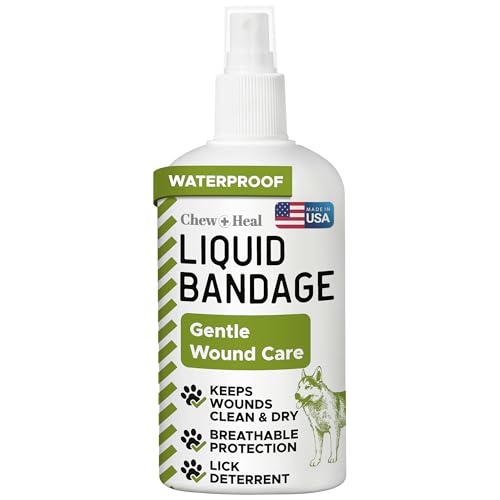
A four-ounce waterproof spray for sealing cuts, scrapes, hot spots, and paw injuries. Alcohol-free, safe if licked, and made in the USA. This is a wound-care consumable that pairs with any kit in this roundup.
- Pro: The alcohol-free formula and lick-safety make it usable on sensitive areas like paw pads where owners fear stinging or ingestion.
- Pro: Spray application means no need to touch an angry or painful wound site with a cotton pad.
- Con: Single-use volume depletes quickly if you have a dog prone to paw injuries or hot spots across multiple seasons.
Not a replacement for a full kit; skip if you are looking for an all-in-one solution rather than a supplementary product.
Buying Guide
Component Appropriateness for Animal Anatomy
Human first aid kits are not interchangeable with pet kits. Dogs do not need triangular bandages sized for human heads, but they do benefit from self-adhering wraps that conform to a curved leg without a knot. Look for kits that specify vet-approval or list species-specific items like muzzle tools, pet thermometers, and tick removers. Generic gauze in a branded pouch is not a substitute for a kit designed around how animals present injuries.
Packaging Durability and Climate Resistance
A kit that degrades in storage is worse than no kit at all. Adhesive bandages lose their tack in hot car interiors, antiseptic wipes dry out through porous fabric pouches, and styptic powders clump in humid conditions. If you plan to store in a vehicle, hunting pack, or unheated garage, prioritize water-resistant, sealed cases. For drawer or closet storage in climate-controlled spaces, a standard zippered pouch is sufficient.
Organization and Stress Access
When your dog is yelping and blood is on your hands, the last thing you need is a jumble of identical-looking packets. The best kits use labeled pockets, printed checklists on the interior flap, or color-coded dividers. Owner reviews are the most reliable signal here: look for mentions of “found the item I needed immediately” versus “had to dig through everything.” This is where a manual or quick-reference guide earns its place over raw piece count.
Our Verdict
The top pick is the ARCA PET 100-Piece Kit. It offers the widest diagnostic and treatment range in a single package, including the thermometer and tick remover that address common emergencies other kits ignore. For budget-conscious buyers, the Vet-Approved Travel Kit at under twenty dollars provides the best ratio of vet-appropriate components to cost. The one condition where another product wins clearly: if your primary use case is nighttime trail recovery and the animal has a puncture wound, the ARCA PET Reflective Kit earns its spot because locating the pouch in darkness is the first bottleneck you will hit.
FAQ
How many pieces should a dog first aid kit have?
There is no universal number, but a functional home kit should carry enough components to treat two separate wounds before needing restocking. That typically means at least thirty to fifty pieces when you account for gauze pads, tape, wipes, and single-use antiseptics. Ninety-five or one hundred piece kits give you that buffer and are less likely to run short during a complex injury.
Can I use a human first aid kit on my dog?
Some items overlap, like gauze and self-adhering wraps, but many human kit contents are wrong for dogs. Hydrocortisone cream dosed for humans can cause harm if a dog licks it, and human antiseptics like iodine may be too harsh for animal skin. A species-specific kit or vet-approved formulation removes that guessing risk.
Where is the best place to store a dog first aid kit?
If you own a car that regularly carries your dog, store one kit in the vehicle and a full complement at home. Avoid direct sunlight and extreme temperature zones like a dashboard or an unventilated shed. A closet, supply drawer, or sealed bin in a garage attached to your home works well for the primary kit.
How often should I replace the contents of a pet first aid kit?
Check every six months, particularly after summer or winter extremes. Antiseptic wipes dry out, adhesives lose tack, and styptic powders can harden with moisture exposure. Kits stored in vehicles degrade faster than those kept indoors, so the car pouch likely needs a full refresh annually.