Key takeaways
- Small (travel scale): Enough for one or two nights of a CPAP without humidifier. Easy to carry, often allowed on flights only within airline battery rules, so check the airline’s policy before packing any power station.
- Mid-size (home backup scale): Typically covers several nights of CPAP use plus a phone, a lamp and a small fan. This is the sweet spot for storm-prone households.
- Large (whole-room backup scale): Can also run a refrigerator for part of a day, but they are heavy and are more than a CPAP alone requires.
The best portable power station for a CPAP is one with a pure sine wave AC outlet, enough watt-hours to cover your machine and humidifier for the nights you expect to be without grid power, and a battery chemistry that stays reliable through years of occasional use. Small, quiet units suit travelers and short outages, while mid-size lithium iron phosphate (LiFePO4) units suit households that want to ride out a multi-night storm outage. This guide explains how to size a unit, which product families are worth shortlisting, and what to confirm in your CPAP manual before you rely on any battery.
Our top picks
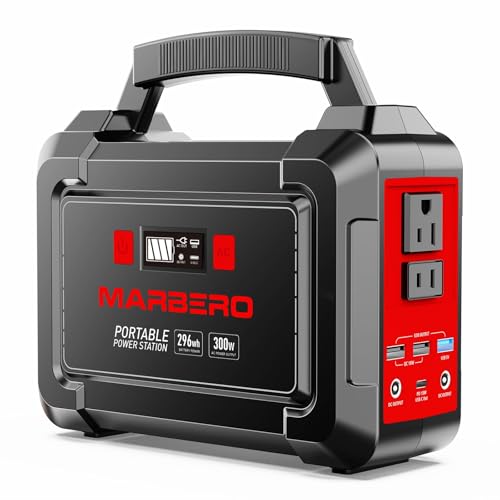


As an Amazon Associate we earn from qualifying purchases at no extra cost to you.
At a Glance: Product Families Worth Shortlisting
| Product family | Best for | What the makers emphasize | Limits to know |
|---|---|---|---|
| Jackery Explorer series | Travel and short outages, simple operation | Compact designs, pure sine wave AC output, solar charging support | Check which generation a given model uses; chemistry and cycle life differ between older and newer units |
| EcoFlow River and Delta series | Fast recharging, multi-night outages | Rapid wall charging, expandable capacity on some models, app control | Fans can run during heavy loads; larger units are heavy |
| Bluetti series | Home backup, long battery life | LiFePO4 cells across many models, high cycle-life ratings, solar input | Larger models are bulky; read each model page for the exact outlet types |
| Anker Solix series | Everyday use, travel, tidy ecosystem | LiFePO4 cells on many models, multiple outlet and USB options | Model lineup changes often; confirm current naming before buying |
| Goal Zero Yeti series | Established brand, accessory ecosystem | Modular accessories, solar support | Some models are heavier for their capacity than newer competitors |
| CPAP-specific batteries (for example, ResMed or Philips Respironics branded packs, Medistrom, and similar) | Travel, flights, camping with one device | Built around a specific machine or a DC connection for CPAPs | Only compatible with named machines; not a general power source |
Capacity, output and cycle-life figures change from model to model and generation to generation, so use the table as a starting list and read the maker’s current product page for exact numbers before buying.
Step One: Know What Your CPAP Actually Draws
Your machine’s manual or power supply label lists its power use. Many modern CPAP machines are described by their makers as drawing modest power without a heated humidifier, while a heated humidifier and heated tube can raise consumption noticeably. Reviewers who cover CPAP backup power commonly advise shutting the humidifier off during an outage, or using the maker’s recommended settings, to stretch battery life. Always follow your own machine’s manual and your sleep provider’s guidance, because settings that affect therapy are a medical decision rather than something to adjust for battery convenience.
To estimate runtime, find the machine’s average power draw in watts (the manual or maker support page often gives a typical figure), multiply by the hours you sleep, and compare the result to the power station’s rated watt-hours. Then allow a margin, because inverter losses mean you will not get every watt-hour from the battery. Makers often indicate that usable output is below the headline capacity once conversion losses are counted. A comfortable margin also helps if the battery has aged or if the room is cold, since some lithium cells deliver less in low temperatures.
Step Two: Choose the Right Output Type
AC Outlet (Pure Sine Wave)
Most people plug their existing CPAP power adapter into the AC outlet. Look for a pure sine wave inverter, which is the type most power station makers advertise for sensitive electronics. This is the simplest and most flexible route, because you keep your stock adapter and humidifier.
DC Output
Some CPAP machines can run from a DC supply through a manufacturer-approved cable. This can be more efficient because it avoids inverter conversion, but only the cable and voltage specified by your machine’s maker is safe to use. Do not improvise a DC connection. If you want this route, check your machine maker’s own accessory list.
USB-C Power Delivery
USB-C ports are useful for phones and small accessories, but they are not a substitute for the CPAP power input unless the machine maker explicitly supports it.
Step Three: Pick Battery Chemistry and Size
Power stations typically use either lithium-ion (NMC) cells or LiFePO4 cells. Makers that use LiFePO4 generally advertise longer cycle life, and that is a real advantage for equipment you expect to keep for many years, although the packs are often a little heavier for the same capacity. For occasional outage use, either chemistry can work, but a LiFePO4 unit that sits in a closet for months is a common recommendation among reviewers because of the long cycle-life ratings.
- Small (travel scale): Enough for one or two nights of a CPAP without humidifier. Easy to carry, often allowed on flights only within airline battery rules, so check the airline’s policy before packing any power station.
- Mid-size (home backup scale): Typically covers several nights of CPAP use plus a phone, a lamp and a small fan. This is the sweet spot for storm-prone households.
- Large (whole-room backup scale): Can also run a refrigerator for part of a day, but they are heavy and are more than a CPAP alone requires.
Budget Tiers
| Tier | What you typically get | Trade-off |
|---|---|---|
| Budget | Small capacity, pure sine wave AC, basic ports | Fewer nights of runtime; may lack solar input speed |
| Mid-range | Mid-size capacity, LiFePO4 on many models, faster charging, app control | Heavier; more ports than a CPAP needs |
| Premium | Large capacity, expandable batteries, home integration options | Weight and bulk; overkill if you only power a CPAP |
Safety and Care Notes
- Read the CPAP and power station manuals before use, and follow the maker’s guidance for connecting medical devices. Some power station makers state that their products are not designed as medical backup systems, so treat the power station as a convenience and have a plan for your therapy.
- Test your setup before an emergency. Run the CPAP from the power station for a full night while grid power is still available, so you can see real-world runtime.
- Keep the unit charged. Many makers suggest topping it up periodically during storage; follow the schedule in the manual.
- Use the unit in a ventilated, dry place away from heat sources and never run a generator-type fuel source indoors.
- If your therapy is essential for health, talk to your doctor or sleep provider about a backup plan, and ask your equipment supplier about battery options approved for your machine.
- Do not cover vents. Keep cords out of walkways.
Pick X If… Decision Table
| If you… | Pick | Why |
|---|---|---|
| Travel often and want light gear | A small Jackery Explorer, Anker Solix or EcoFlow River class unit | Portable, pure sine wave AC, enough for a night or two without a humidifier |
| Live in an area with multi-day storm outages | A mid-size Bluetti, EcoFlow Delta or Anker Solix unit with LiFePO4 cells | More capacity, long cycle-life ratings, solar charging options |
| Camp off-grid with a CPAP | A mid-size unit plus a foldable solar panel from the same brand | Lets you recharge during the day |
| Only fly with a CPAP | A CPAP-specific battery approved for your machine and your airline | Designed for the device and travel rules |
| Want the simplest setup | A unit with clear AC outlet labelling and a basic display | Fewer settings to manage during an outage |
Alternatives to a Portable Power Station
- CPAP-specific battery packs: Sold by CPAP makers and specialist companies for particular machine models. Good for travel, limited to the machines they support.
- Uninterruptible power supply (UPS): A computer-style UPS can bridge short outages, but most are sized for minutes rather than a whole night and may use a modified waveform, so read the maker’s specifications.
- Home standby systems: A professionally installed home battery or standby generator can power a bedroom circuit. A licensed electrician should handle that installation.
Common Mistakes to Avoid
- Buying by headline watt-hours without checking real-world efficiency.
- Forgetting the humidifier, which can use considerably more power than the blower alone.
- Never test the setup before the storm arrives.
- Choosing a unit too heavy to move to the bedroom.
- Using unapproved DC cables or adapters.
Frequently Asked Questions
How big a power station do I need for a CPAP?
Start with your machine’s stated power draw, multiply by the hours you sleep, and add a generous margin for conversion losses. A small unit is often enough for a night or two without a heated humidifier, while a mid-size unit gives more nights. Your machine’s manual or the maker’s support page is the best source for its draw.
Can I run my humidifier from a power station?
You can plug it in if the output is sufficient, but a heated humidifier can use noticeably more power than the blower. Many people turn it off during outages to extend runtime. Ask your sleep provider before changing settings that affect your therapy.
Is a pure sine wave output necessary?
Makers of sensitive electronics generally recommend it, and most reputable power station makers advertise pure sine wave AC. Check your CPAP manual and the power station specifications to confirm they are compatible.
Can I take a power station on a plane?
Airlines restrict lithium batteries by capacity, and many large power stations exceed the limits. Check your airline’s current rules, or choose a CPAP-specific travel battery designed for flights.
How long can I leave a power station in storage?
Maker guidance varies, but many suggest charging it periodically and storing it in a cool, dry place. Follow your unit’s manual and test it a few times a year so you know it works when needed.
Should I rely on a power station as my only backup?
A power station is a convenient option, but if your therapy is important to your health, discuss a backup plan with your doctor or equipment supplier. If you have trouble sleeping without therapy, seek medical advice rather than relying on workarounds.
More from Amazon
Programs that pair well with the guide above. Offers and eligibility are set by Amazon and may change.
Free shipping on eligible items, Prime Video and more. Eligible new members can start with a free trial.
Start a Prime free trialAudiobooks and podcasts to listen to on the go. Eligible new members can start with a free trial.
Try Audible freeAd-free music streaming. Eligible new subscribers can start with a free trial.
Try Music Unlimited freeA free business account with business pricing and bulk-buying tools for work, shop or home office.
Create a business accountAs an Amazon Associate we earn from qualifying purchases.