Our Short List of 3
- Best for: Bank keepers whose stored charge reads healthy at the bank yet arrives weak at the loads, and who want the connection points renewed before the next blackout bills them for the loss.
- Brand: Frienda, per the listing name
- Type: Battery terminal lug connectors, per the listing name
- Role in the set: The connection post — cable ends renewed where they meet the bank’s terminals
- It is a set of connector lugs; it is not cable, a charger, a fuse or the bank itself

- Best for: Households that want the room usable through a blackout evening without spending bank charge on light, and without an open flame anywhere near stored fuel, bedding or a shelter cover.
- Brand: FLAVCHARM, per the listing name
- Type: Flameless candles, per the listing name
- Role in the set: The light post — an evening glow for the room that draws nothing from the bank
- It is a set of flameless candles; it is not a lantern, a work light or a wired fitting

- Best for: Station keepers whose ground mats creep apart under the machine, or whose shelter cover parts along a seam, and who want the join closed with a tape made for joining sheet material.
- Brand: TYLife, per the listing name
- Type: Seaming tape, per the listing name
- Stated use in the listing name: Joining artificial grass seams
- Role in the set: The joining post — mats and shelter panels closed along their seams
All 5 Picks at a Glance
| Product | Specs | Action |
|---|---|---|
| Frienda Battery Lugs |
| Check price on Amazon |
| FLAVCHARM Flameless Candles |
| Check price on Amazon |
| TYLife Artificial Grass Seaming Tape |
| Check price on Amazon |
 iHarPro Busy Book for Toddlers Ages 3-5 |
| Check price on Amazon |
 Dr. Frederick’s Trigger Finger Splint |
| Check price on Amazon |
Key takeaways
- Kelubi is a yard name shared across yards, not a species record: five outage picks graded by the use each listing states, from bank lugs to room light.
A stored bank can pass every check at its own terminals and still give a poor evening. Charge leaves through the cable ends, and cable ends sit on lugs that corrode, loosen and thin out year by year until the connection, not the bank, becomes the weak point. Around that weak point the usual edges wait: a room with no light that spares the bank, mats and covers parting at their seams, a toddler wide awake, a finger strained at the bench.
This round serves the bank keeper whose charge tests full yet arrives weak, the household that wants evening light with no flame near the fuel shelf, whoever keeps the ground mats and shelter cover closed, the parent sitting out the dark hours, and the repairer working in poor light. Every pick is read off its Amazon listing name and stated lines, graded the kelubi way: a name shared across yards identifies nothing, so the stated use is the only evidence that counts.
Quick Picks
As an Amazon Associate we earn from qualifying purchases
Kelubi supplies the standard, not the stock. Five posts — bank connection, room light, joining seam, quiet hours, wrapped finger — each filled by the listing that states the job.
| Product | Best for | Key spec from title |
|---|---|---|
| Frienda Battery Lugs | A stored bank whose charge fades before it reaches the loads | Battery lug connectors, per the listing name |
| FLAVCHARM Flameless Candles | Light for the room that draws nothing from the bank | Flameless candles, per the listing name |
| TYLife Artificial Grass Seaming Tape | Seams in ground mats and shelter covers that creep open | Artificial grass seaming tape, per the listing name |
| iHarPro Busy Book for Toddlers Ages 3-5 | A wide-awake toddler in the long dark hours | Busy book for toddlers ages 3-5, per the listing name |
| Dr. Frederick’s Trigger Finger Splint | A strained finger kept covered during repairs | Trigger finger splint, per the listing name |
How to Choose
A Yard Name Is Not a Species
Kelubi reaches the buyer as a yard name, and a yard name is a convenience, not a record. Yards apply it to a Malaysian light hardwood whose heartwood runs pale yellow-brown to light brown, and boards from different stacks can sit under the one label with little in common beyond the class. Listings behave the same way. The headline word — a brand, a material, a promise — is shared across sellers and seasons, while the purchase lives underneath it: a bore size, a count, a stated use. Read the record under the name, because the record is what arrives.
Light and Soft Is a Class, Not a Complaint
Kelubi’s own record is plain: light, soft, and not naturally durable. The trade does not argue with those lines; it posts the wood where they hold — plywood, boxes, crates and interior joinery, under cover, where it serves for years. Trouble starts when a piece is posted past its print. Grade this set identically. Lugs connect a cable to a terminal; they do not store or protect charge. A tape closes a join; it does not anchor one. A splint covers a finger; it does not mend it. Inside the stated class, each piece keeps its promise.
Easy to Work Means Easy to Check
The same record calls kelubi very easy to work — quick to saw, plane and nail — and that ease is why yards move so much of it into boxes and crates. The listings in this set reward the same habit: their working figures sit on the page, checkable before money moves. The lug bore set against the cable it must swallow. The tape’s width and roll length set against seams measured end to end. The candle count, the book’s age band, the splint’s sizing. Measure the station first; the printed figures settle the rest.
Connections Fail Before Components Do
Ask where an outage station actually breaks and the answer is rarely the big hardware. Banks hold charge, generators start, covers keep weather off. The failures gather at the joints: a lug filmed with corrosion, a seam lifting an inch at a time, a candle set with no spare cells, a drawer with nothing in it for a hurt hand. A refresh earns its keep at those joints. Work through the chain link by link — connection, light, seams, occupation, first aid — and replace the link whose stated record no longer matches the job in front of it.
The 5 Best Options
Frienda Battery Lugs
- Best for: Bank keepers whose stored charge reads healthy at the bank yet arrives weak at the loads, and who want the connection points renewed before the next blackout bills them for the loss.
- Brand: Frienda, per the listing name
- Type: Battery terminal lug connectors, per the listing name
- Role in the set: The connection post — cable ends renewed where they meet the bank’s terminals
- It is a set of connector lugs; it is not cable, a charger, a fuse or the bank itself
Bank keepers whose stored charge reads healthy at the bank yet arrives weak at the loads, and who want the connection points renewed before the next blackout bills them for the loss.
The bore is the purchase. Confirm on the listing that the stated bore and gauge range match your cable, and that the terminal style matches your bank’s posts, before the old lugs come off.
The set opens where the charge changes hands. Frienda’s listing names battery lugs, the terminal connectors that clamp a cable end onto a battery post, and their posting is the last inch of every run the bank feeds. A bank can test full at its terminals while tired lugs — corroded, loose, thinned by years of tightening — tax every load downstream with heat and voltage drop. Renewing the connection points is the cheapest capacity a stored bank can gain. Buy the stated lines: the bore against your cable gauge, the terminal fit against your posts, the pack count against the runs you keep.
FLAVCHARM Flameless Candles
- Best for: Households that want the room usable through a blackout evening without spending bank charge on light, and without an open flame anywhere near stored fuel, bedding or a shelter cover.
- Brand: FLAVCHARM, per the listing name
- Type: Flameless candles, per the listing name
- Role in the set: The light post — an evening glow for the room that draws nothing from the bank
- It is a set of flameless candles; it is not a lantern, a work light or a wired fitting
Households that want the room usable through a blackout evening without spending bank charge on light, and without an open flame anywhere near stored fuel, bedding or a shelter cover.
Confirm the stated count, sizes and battery arrangement on the listing before ordering — a set that runs on cells needs spare cells in the drawer, and the stated sizes decide where each candle can stand.
Second, light — the post a stored bank should never have to pay for. FLAVCHARM’s listing names flameless candles, and their posting is the room itself: a low, steady glow that runs on its own cells and spends nothing from the bank the lugs just reconnected. Nothing burns, so the light can stand beside bedding, a shelter cover or the fuel shelf, where no flame belongs. Nothing needs a socket, so it can sit where the evening actually happens. Buy the set on its stated lines — the count, the sizes and the battery arrangement its listing prints.
TYLife Artificial Grass Seaming Tape
- Best for: Station keepers whose ground mats creep apart under the machine, or whose shelter cover parts along a seam, and who want the join closed with a tape made for joining sheet material.
- Brand: TYLife, per the listing name
- Type: Seaming tape, per the listing name
- Stated use in the listing name: Joining artificial grass seams
- Role in the set: The joining post — mats and shelter panels closed along their seams
Station keepers whose ground mats creep apart under the machine, or whose shelter cover parts along a seam, and who want the join closed with a tape made for joining sheet material.
A seaming tape joins surfaces; it does not anchor them — a mat that slides still needs its edges held down, and the tape’s stated width and length decide how much seam one roll closes, so confirm both before ordering.
Third, the ground the station stands on and the cover it stands under. TYLife’s listing names an artificial grass seaming tape, made to close the seam between two sheets of synthetic turf and hold the join flat against weather and traffic. A generator corner repeats that geometry at smaller scale: ground mats meeting edge to edge under the machine and creeping apart until mud works up through the gap, a shelter cover whose panels part along one line whenever the wind leans on it. Wherever two sheet edges should behave as one surface, the stated tool is a joining tape, bought on width and roll length against the seam.
iHarPro Busy Book for Toddlers Ages 3-5
- Best for: Parents facing long dark evenings with a toddler still awake: one screen-free book kept by the chair, ready before the restlessness peaks.
- Brand: iHarPro, per the listing name
- Type: Busy book, per the listing name
- Stated audience: Toddlers ages 3-5, per the listing name
- Role in the set: The quiet-hours post — screen-free occupation in the room’s own light
Parents facing long dark evenings with a toddler still awake: one screen-free book kept by the chair, ready before the restlessness peaks.
Confirm the stated age band, page count and materials on the listing. A book pitched above the child’s band gets ignored, and small detachable pieces are daylight pieces, not blackout ones.
Fourth, the longest stretch of the evening. iHarPro’s listing names a busy book for toddlers ages 3-5, and its posting is the awake child: an activity book that runs on small hands and the candlelight already in the room, drawing nothing from the bank and asking nothing of the generator. Kept within reach of the chair, it hands a child who will not sleep a run of small tasks with endings — the one thing a blackout evening otherwise refuses to provide. Buy the printed lines over the cover art: the stated age band and the book’s format decide the fit.
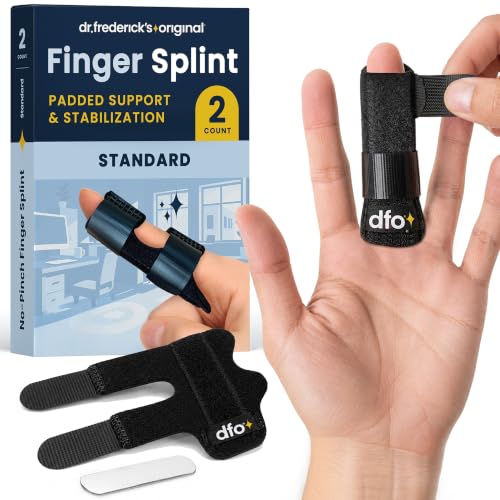
Dr. Frederick’s Trigger Finger Splint
- Best for: Whoever runs the station’s repairs after dark: one wrap in the tool drawer keeps a strained finger protected and out of the way while the job finishes.
- Brand: Dr. Frederick’s, per the listing name
- Type: Finger splint, per the listing name
- Stated use: Trigger finger support, per the listing name
- Role in the set: The first-aid post — a hurt finger held still and covered while work goes on
Whoever runs the station’s repairs after dark: one wrap in the tool drawer keeps a strained finger protected and out of the way while the job finishes.
Confirm the stated sizing, the fastening and which hand and finger the form suits on the listing before it goes in the drawer. Minor hurts only — anything worse needs proper care.
Last, the repairer’s own hands. Blackout work is bench work in poor light — fuel lines to seat, a recoil starter to coax, sheet edges that bite — and the routine injury is a strained or nicked finger. Dr. Frederick’s listing names a trigger finger splint, a wrap shaped to keep one finger still and covered while the rest of the hand keeps working. Its place is the station drawer, as a single-finger kit wrap for a minor hurt and nothing more: not a treatment, not a brace for the hand. The stated form, sizing and fastening are the purchase.
Which One Fits Your Situation
The bank tests full but the loads run weak
Start at the terminals, not the bank. When stored charge reads healthy at the posts yet lights dim and chargers crawl downstream, the loss usually sits in the last inch of the run: lugs filmed, loose or thinned. Renew the connection points first and retest the same loads; the bank you were about to replace often turns out to have been fine all along.
The room needs light the bank cannot spare
Set the candles where the evening happens. Their glow spends nothing from the bank, so the charge behind the renewed lugs stays reserved for the loads that matter, and with no flame they can stand beside bedding, the shelter cover or the fuel shelf. Check the stated count and sizes first, and keep spare cells with the set.
The mats creep and the cover leaks at one seam
Measure first, order second. Total the seam where the ground mats meet and the shelter panel that parts in the wind, then hold that figure against the roll’s stated width and length. Lay the tape on a dry day and press the joins flat; the station stands on one surface again, with no gap for mud and no lip waiting for a boot in the dark.
The repair bench is where fingers get hurt
Store the splint with the tools. The bench is where fuel parts, wire ends and hot metal get handled in poor light, and fingers pay for it. A bare strained finger catches on every edge it passes; wrapped and covered, it stays out of the work while the other hand finishes. The wrap treats nothing. It keeps a minor hurt from collecting a second one before the job is done.
Common Mistakes
- Buying the yard name and skipping the record. Kelubi on a stack tag and a headline on a listing make the same promise — a shared word — while the duty printed underneath is what actually arrives at the door.
- Posting a piece outside its stated class. Kelubi fails in the weather because it is interior timber; lugs expected to store charge, or a tape expected to anchor a mat, fail on the posting rather than the piece.
- Refreshing everything except the joints. New candles and a fresh book change nothing if the bank still loses charge at corroded lugs; the connection points are part of the station, not an afterthought.
- Guessing the figures. Bore and gauge on the lugs, width and roll length on the tape, count and sizes on the candles, the age band on the book — the numbers under the headline are where this set is bought.
- Doing the refresh during the blackout. Swapping lugs, closing seams and placing candles by torchlight is the job done at its worst hour. Timber is graded in daylight; close the station’s edges while the lights still work.
Frequently Asked Questions
Does any pick in this set contain kelubi?
No. None of the five listings declares kelubi content; each piece is made of whatever its own listing states. Kelubi lends the grading standard only: a Malaysian light hardwood sold under a local yard name, pale yellow-brown to light brown in the heartwood, medium in texture, mostly straight in grain, light and soft, and not naturally durable. Judge the stated use, never the name.
What is kelubi wood actually used for?
Interior postings: plywood, boxes, crates and interior joinery. It is a yard-traded light hardwood — heartwood pale yellow-brown to light brown, medium texture, grain mostly straight — and it is very easy to work, which is why so much of it ends up in crates and box work. Under cover it serves for years; posted in the weather without protection, it is spent quickly.
Why renew the lugs instead of buying a bigger bank?
Because charge that cannot cross the terminals might as well not be stored. Corroded or loose lugs tax every load with heat and voltage drop, so the bank looks tired while the loss sits in the last inch of the run. New lugs matched to the cable gauge restore the path; a bigger bank behind bad connections keeps paying the same tax.
If the budget only stretches to two pieces, which two?
The lugs first, then the candles. The lugs decide how much of the stored bank the evening actually receives, and they do that work in the middle of the blackout itself. The candles light every hour of that blackout without spending the bank or burning a flame. The tape, the book and the splint each improve a single post; these two cover the whole station, all night.
More from Amazon
Programs that pair well with the guide above. Offers and eligibility are set by Amazon and may change.
Free shipping on eligible items, Prime Video and more. Eligible new members can start with a free trial.
Start a Prime free trialAudiobooks and podcasts to listen to on the go. Eligible new members can start with a free trial.
Try Audible freeAd-free music streaming. Eligible new subscribers can start with a free trial.
Try Music Unlimited freeA free business account with business pricing and bulk-buying tools for work, shop or home office.
Create a business accountAs an Amazon Associate we earn from qualifying purchases.