
Every household in a storm-prone region should have a storm preparedness kit ready long before severe weather arrives. Waiting until a forecast turns dire means competing with thousands of neighbors for the same limited supplies at the same time. Building your kit gradually over several weeks gives you time to customize it for your family’s specific needs, dietary requirements, and medical conditions while spreading out the cost.
Core Supplies That Sustain Your Family Through the Storm
The foundation of any storm preparedness kit revolves around sustaining life during power outages that can last anywhere from hours to several days. Water takes absolute priority. Store at least one gallon per person per day for a minimum of three days, though five days provides a more realistic buffer for major storms. Include non-perishable food items such as canned goods, dried fruit, protein bars, and peanut butter that require no refrigeration or cooking. Don’t forget a manual can opener, because it is one of the most frequently overlooked items in emergency food storage.
Our top picks

 Emergency Blanket Mylar Thermal Space Survival Gear
- Superior Thermal Retention: Crafted from advanced aluminized Mylar,…
- Multi-Purpose Survival Tool: Ideal for various emergency scenarios,…
- Compact & Lightweight Design: Each survival space blanket…
 Survival Kit
- [Preparedness for the Unknown]: While no one can…
- [Comprehensive Emergency Supply Kit]: The included emergency supplies…
- [Safety Companion for Journey]: Our emergency kit includes…



As an Amazon Associate we earn from qualifying purchases at no extra cost to you.
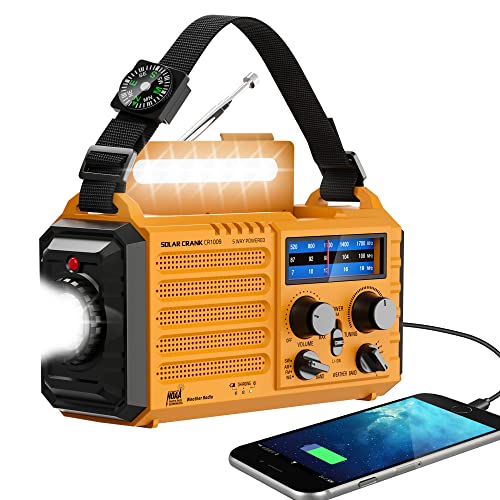
Lighting sources deserve equal attention. Flashlights, headlamps, and glow sticks eliminate the fire risk associated with candles during high-wind events. Stock extra batteries in sizes that match every light source in your kit. A battery-powered or hand-crank radio allows you to receive emergency broadcasts when cell towers fail or networks become overwhelmed. A first aid kit should contain bandages, antiseptic wipes, pain relievers, any prescription medications your household members take regularly, and a printed list of those medications with dosages in case you cannot reach your pharmacy.
Important Documents and Communication Planning
Your storm preparedness kit should include a waterproof container holding photocopies of critical documents: insurance policies, identification cards, medical records, bank account information, and proof of residence. Store digital copies on a portable drive or in encrypted cloud storage as a backup. Include a written communication plan that specifies an out-of-area contact person who serves as the family’s information relay, the meeting location if your household members are separated when a storm hits, and the route to your designated shelter.
Pack a physical list of emergency phone numbers including local utility companies, your insurance agent, and nearest hospital. Cell phones should be fully charged before any storm, and include a solar charger or power bank so you can top up devices during extended outages. Small bills of cash in various denominations are useful because card readers and ATMs may not function without power.
Climate-Specific and Household-Specific Additions
Adjust your kit based on your geographic location and household composition. Families with infants need formula, diapers, and baby wipes. Pet owners must store food, water, carriers, and vaccination records for each animal. Households in cold climates should include thermal blankets, extra clothing layers, and hand warmers. Those in humid or hot regions benefit from battery-powered fans, cooling towels, and electrolyte packets to prevent heat exhaustion during prolonged power loss.
Include tools that help you assess damage safely after a storm passes: work gloves, a multi-tool, duct tape, a whistle for signaling your location, and a small fire extinguisher. N95 masks protect against dust and mold spores stirred up by wind damage or flooding.
Maintaining Your Storm Preparedness Kit Over Time
A preparedness kit loses value if its contents expire or degrade. Set a calendar reminder every six months to review your kit in conjunction with daylight saving time changes, which happen twice yearly. Check expiration dates on food, water, medications, and batteries. Replace water stored in non-commercial containers every six months. Rotate canned goods by moving older items to the front of your pantry. Test flashlights and radios to confirm they still function, and verify that your first aid supplies remain sealed and uncontaminated.
Store your kit in a location that is accessible even if one exit from your home becomes blocked. A closet near your primary evacuation route works well in most homes. Keep a smaller grab-and-go bag near the door for scenarios requiring rapid evacuation. Building and maintaining a storm preparedness kit is an ongoing commitment, not a one-time task, but the peace of mind it brings during every storm season makes the effort entirely worthwhile.










Write Your Review
No reviews yet. Be the first to share your experience!