Our Short List of 3

- Best for: Emergency and storm-kit flashlights that sit unused for long stretches.
- Size: AA, 8 count pack
- Chemistry: Lithium, 1.5V
- Model: L91SBP-8
- Storage: Holds power for up to 25 years in storage
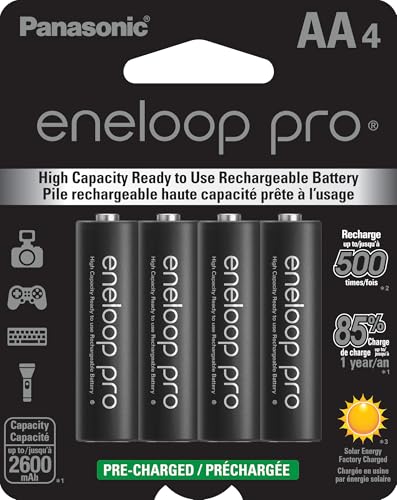
- Best for: Nightly users who want steady brightness and no ongoing battery purchases.
- Size: AA, 4-battery pack
- Chemistry: Ni-MH rechargeable, pre-charged
- Model: BK-3HCCA4BA
- Capacity: Up to 2,500 mAh typical, 2,450 mAh minimum
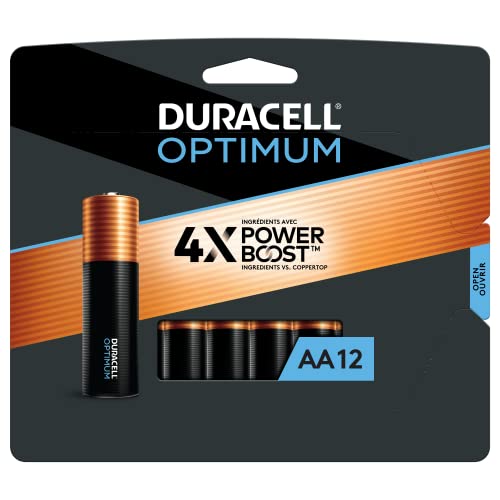
- Best for: Households that want stronger-than-standard alkaline cells for outage lights.
- Size: AA, 12 count pack
- Chemistry: Alkaline, 1.5V
- Formulation: Power Boost ingredients, 4X the amount vs. Coppertop AA per the listing
- Packaging: Re-closable pack with storage tray
All 4 Picks at a Glance
| Product | Specs | Action |
|---|---|---|
| Energizer Ultimate Lithium AA Batteries (8 Pack) |
| Check price on Amazon |
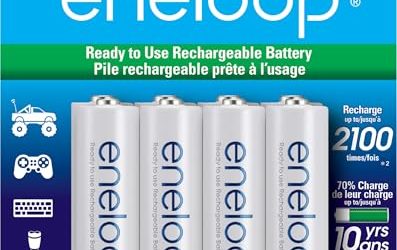
| Panasonic eneloop pro AA High-Capacity Ni-MH Batteries (4-Battery Pack) |
| Check price on Amazon |
| Duracell Optimum AA Batteries (12 Count Pack) |
| Check price on Amazon |
 Rayovac Fusion AA Batteries (30 Pack) |
| Check price on Amazon |
Key takeaways
- Compare 4 high-drain AA batteries that hold up in bright flashlights: lithium, NiMH rechargeable and premium alkaline picks with listing specs and ASINs.
A flashlight on its highest mode is one of the harshest loads a AA cell ever faces. The light pulls current hard and keeps pulling, and ordinary alkaline cells answer by sagging: the beam starts bright, then steps down early even though the batteries still run a remote control fine afterwards. So the real decision here is not which AA is “strongest” on the shelf, but which chemistry keeps its voltage up while a high-output light is draining it.
This roundup is for storm-kit keepers who want a light that works after years in a drawer, nightly users who burn through cells every week, and anyone whose AA flashlight dims far sooner than it should. Every pick below is a AA battery sold on Amazon, chosen from the product listings and the specifications printed on them.
Quick Picks
As an Amazon Associate we earn from qualifying purchases.
| Product | Best for | Key spec from title |
|---|---|---|
| Energizer Ultimate Lithium AA Batteries (8 Pack) | Storm kits and emergency drawers | 1.5V lithium double A batteries |
| Panasonic eneloop pro AA (4-Battery Pack) | Lights used every night | High-capacity Ni-MH pre-charged rechargeable batteries |
| Duracell Optimum AA Batteries (12 Count Pack) | A premium alkaline for bright modes | Double A battery with long-lasting power |
| Rayovac Fusion AA Batteries (30 Pack) | Stocking several lights at once | Double A alkaline batteries |
How to Choose
Start With Chemistry, Not Brand
Three chemistries dominate this shelf, and they behave very differently inside a hard-working flashlight. Lithium primary cells hold a high, steady voltage under load and shrug off cold, which is why they anchor most emergency kits. NiMH rechargeables deliver a flatter discharge curve than alkaline, so a regulated light stays near full brightness instead of fading gradually. Premium alkaline lines sit between the two: stronger than standard alkaline under heavy draw, but still disposable. Decide which behavior matches your light first, then compare packs inside that chemistry.
Understand What “High Drain” Does to Voltage
A high-drain device does not just empty a battery faster; it changes how much of the stored energy you can actually use. Standard alkaline cells lose voltage quickly when current demand spikes, and many flashlights interpret that drop as empty batteries and throttle output. Cells built for high-drain use are formulated or constructed to resist that sag. This is why two packs with similar capacity figures can produce very different runtimes on turbo mode, and why the listings for the picks below specifically call out high-drain or high-power-consumption devices.
Match Shelf Life to How the Light Is Stored
A flashlight in a glove box or storm bin may sit untouched for years, so storage behavior matters as much as runtime. Lithium AA cells are rated to hold power for decades in storage and keep working in deep cold and summer heat. Alkaline packs carry shorter storage guarantees, and a leaking alkaline can destroy the light it was meant to power. Rechargeable NiMH cells slowly self-discharge on the shelf, though low-self-discharge lines like eneloop pro retain most of their charge for a year. Pick the storage profile that matches where the light actually lives.
Count the Whole Rotation, Not Just One Set
Most AA flashlight owners need more than the cells inside the light: a spare set beside it, another in the kit bag, maybe a third in the car. Pack size therefore changes the real cost of a chemistry. A large alkaline pack can stock several lights cheaply in effort, while a small rechargeable pack only pays off if you also own a charger and rotate sets. Check what each listing actually includes, because counts vary widely between packs that look similar at a glance.
The 4 Best Options
Energizer Ultimate Lithium AA Batteries (8 Pack)
- Best for: Emergency and storm-kit flashlights that sit unused for long stretches.
- Size: AA, 8 count pack
- Chemistry: Lithium, 1.5V
- Model: L91SBP-8
- Storage: Holds power for up to 25 years in storage
Emergency and storm-kit flashlights that sit unused for long stretches.
These are single-use cells; never put them in a charger, and the per-cell cost of lithium is wasted on low-drain remotes.
For a flashlight that must work the first time you grab it, this is the cell the others get measured against. The lithium chemistry holds its voltage under the heavy draw of high modes instead of fading the way alkaline does, and the listing positions these cells for high-drain devices including flashlights and cameras. They are also the lightest AA option here, which matters in a headlamp worn for hours. If your light lives in a storm kit, a vehicle, or a cabin that swings between freezing and hot, this pack is the natural first choice.
Panasonic eneloop pro AA High-Capacity Ni-MH Batteries (4-Battery Pack)
- Best for: Nightly users who want steady brightness and no ongoing battery purchases.
- Size: AA, 4-battery pack
- Chemistry: Ni-MH rechargeable, pre-charged
- Model: BK-3HCCA4BA
- Capacity: Up to 2,500 mAh typical, 2,450 mAh minimum
Nightly users who want steady brightness and no ongoing battery purchases.
NiMH cells run at a lower nominal voltage than 1.5V primaries, and a few older lights behave oddly on them; you also need a charger, which this pack does not include.
Anyone who uses a AA light daily should run the rechargeable route, and eneloop pro is the high-drain end of that route. Panasonic builds these cells for high power consumption devices and names tactical flashlights among them; the NiMH chemistry holds a steadier voltage under load than alkaline, so brightness stays consistent through a shift or a long night hike. They arrive pre-charged and ready to use, and the low-self-discharge design means a spare set in your bag is still nearly full months later. The trade is simple: you need a charger and a rotation habit.
Duracell Optimum AA Batteries (12 Count Pack)
- Best for: Households that want stronger-than-standard alkaline cells for outage lights.
- Size: AA, 12 count pack
- Chemistry: Alkaline, 1.5V
- Formulation: Power Boost ingredients, 4X the amount vs. Coppertop AA per the listing
- Packaging: Re-closable pack with storage tray
Households that want stronger-than-standard alkaline cells for outage lights.
Like all alkaline cells, output still sags as the cells drain, and spent cells should not sit inside a stored flashlight because of leak risk.
Optimum is Duracell’s best-performing AA alkaline line, formulated with its Power Boost ingredients to deliver extra life in some devices or extra power in others. In a flashlight that means a disposable cell that holds up noticeably better on bright modes than a standard alkaline, without committing to lithium prices or a rechargeable setup. The resealable pack suits a drawer-based rotation: pull two cells, close the tray, and the rest stay organized instead of rolling loose. For households that keep a few AA lights for outages and odd jobs, this is the straightforward premium alkaline pick.
Rayovac Fusion AA Batteries (30 Pack)
- Best for: Stocking many AA flashlights and keeping a deep bench of spares.
- Size: AA, 30 pack
- Chemistry: Alkaline
- Model: 815-30PPTFUSK
- Positioning: Rayovac’s most powerful AA alkaline, made for high-drain devices
Stocking many AA flashlights and keeping a deep bench of spares.
A 30-pack only makes sense if you will actually rotate through it; check the date codes on arrival and store the cells somewhere cool and dry.
Fusion is Rayovac’s most powerful AA alkaline, and its listing says plainly that it delivers maximum performance to high-drain devices. The draw here is scale: a 30-count pack lets you load every AA flashlight in the house, the garage, and the car, and still keep spares, without juggling several small packs. The formula is built around an enriched core for longer life in power-hungry gear such as high-powered toys, controllers, and headsets, and the same design carries over to bright flashlight modes. If your battery drawer feeds a whole fleet of lights, this pack keeps it simple.
Which One Fits Your Situation
Your Flashlight Lives in a Storm Kit
Choose the Energizer Ultimate Lithium pack. A kit light can sit for years between uses, and lithium cells combine the longest storage rating here with the strongest tolerance for hot cars and cold garages. When the power goes out, the light starts at full brightness instead of revealing that its alkaline cells faded or leaked sometime last year.
You Use a AA Light Every Night
Go with eneloop pro and a decent charger. Nightly use turns disposable cells into a constant errand, while a two-set rotation of NiMH rechargeables keeps one set in the light and one ready to swap. The flat discharge curve also means the beam looks the same at the start of the week as it does after several charges.
You Want One Good Pack for Outage Lights at Home
The Duracell Optimum 12-pack fits this middle ground. It is a meaningful step up from standard alkaline under load, the resealable tray keeps the drawer tidy, and you are not paying lithium prices for lights that mostly handle hallway trips during blackouts. Just swap in fresh cells each storm season and move the older ones to remotes.
Several Lights, One Battery Drawer
Pick the Rayovac Fusion 30-pack. When flashlights, headlamps, and lanterns across the house all take AA cells, a single deep pack prevents the usual mix of half-dead leftovers from five different brands. Fusion’s high-drain formulation keeps those lights respectable on bright modes, and the count means spares are always on hand.
Common Mistakes
- Buying standard alkaline cells for a high-output light, then blaming the flashlight when turbo mode fades within minutes.
- Mixing old and new cells, or two different chemistries, in the same flashlight; the weaker cell gets over-drained and may leak.
- Storing a flashlight for years with alkaline cells installed instead of keeping spares beside it in their pack.
- Putting single-use lithium or alkaline cells into a battery charger, which is dangerous and never revives them.
- Judging a rechargeable pack by its sticker capacity alone while ignoring that NiMH voltage sits lower than 1.5V primaries.
Frequently Asked Questions
Why does my flashlight get dim so fast on regular AA batteries?
Bright modes draw current faster than ordinary alkaline cells can comfortably supply, so their voltage sags early and the light steps down or shuts off with charge still left inside. High-drain cells, whether lithium, NiMH, or premium alkaline, are built to hold voltage under that load, which keeps the beam brighter for more of the runtime.
Are lithium AA batteries safe in any flashlight that takes AA?
Generally yes for lights designed around standard AA cells, since lithium AA batteries are built to the same 1.5V class. The caution is the reverse: never recharge them, and check the flashlight manual if it warns against lithium cells, because a small number of older or tightly regulated lights specify alkaline only.
Do rechargeable AA batteries make a flashlight dimmer?
Not usually in practice. NiMH cells start at a lower nominal voltage than fresh alkaline, but they hold that voltage flat under load while alkaline slides downward, so a regulated flashlight often looks just as bright and stays that way longer. Lights with very simple circuits may show a small difference, which the product manual usually notes.
How should I store spare AA batteries for emergencies?
Keep them in their original packaging, in a cool, dry place, with the freshest packs at the back of the rotation. Lithium cells suit long storage best thanks to their long shelf rating and leak-proof build. Whatever chemistry you choose, check the packs once or twice a year and move aging alkaline cells into everyday devices first.
More from Amazon
Programs that pair well with the guide above. Offers and eligibility are set by Amazon and may change.
Free shipping on eligible items, Prime Video and more. Eligible new members can start with a free trial.
Start a Prime free trialAudiobooks and podcasts to listen to on the go. Eligible new members can start with a free trial.
Try Audible freeAd-free music streaming. Eligible new subscribers can start with a free trial.
Try Music Unlimited freeA free business account with business pricing and bulk-buying tools for work, shop or home office.
Create a business accountAs an Amazon Associate we earn from qualifying purchases.