Key takeaways
- Mount the dummy where a real camera would logically go: above a door, on a corner of the house, or facing a driveway.
- Place it high enough to be out of reach, but low enough that its “lens” seems to see approach paths.
- Avoid pointing it at a neighbor’s windows even though it records nothing; it can still cause disputes.
- Use stainless or coated screws outdoors to avoid rust streaks that expose a cheap build.
- Replace batteries on a schedule if the model uses them, since a dead LED signals that the camera is fake.
- Do not mount any device on electrical equipment or near live wiring; ask a qualified electrician if the spot is close to mains fixtures.
The best fake security camera is one that looks like a real outdoor camera, has a blinking LED and sits somewhere visible, so a mid-range dummy bullet camera with a solar-powered LED suits most porches and garages, while a basic battery-powered dummy is enough for a shed or an inside corner. If you need actual footage, a dummy cannot help, and a low-cost real camera is the better buy.
Our top picks

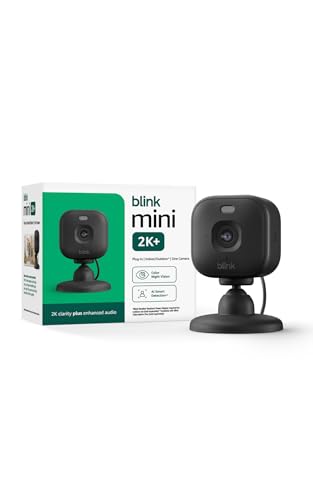
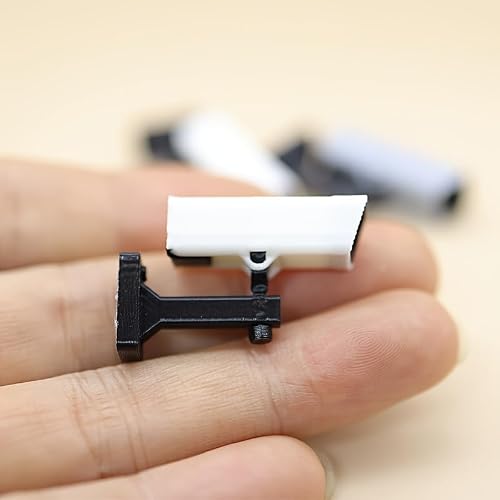

As an Amazon Associate we earn from qualifying purchases at no extra cost to you.
At a Glance: Dummy Camera Styles
| Style | Best for | Typical power | Look | Limit |
|---|---|---|---|---|
| Bullet dummy with flashing LED | Porches, garages, side walls | AA batteries or solar panel | Resembles a standard outdoor camera | Records nothing; a close look can reveal it is fake |
| Dome dummy | Ceilings, shops, hallways, carports | AA batteries | Smoked-dome housing hides the lens area | Indoor styles may not tolerate rain |
| PTZ-style dummy | Larger yards or storefronts | Batteries, sometimes a motor | Looks like a pan-tilt camera and may rotate | Moving parts can fail or look odd |
| Dummy with motion light or siren | Dark corners or entries | Battery or solar | Adds an active deterrent signal | Light or sound can annoy neighbors |
| Low-cost real camera used as a deterrent | Buyers who may want footage later | Plug-in or battery | Genuine lens and LEDs | Needs Wi-Fi and setup |
Fake cameras are sold by many small and generic brands, and lineups rotate quickly. Because makers change model names, this guide explains what to look for instead of ranking specific listings.
What Makes a Dummy Camera Convincing
Realistic housing
A heavy-looking metal or thick-ABS shell with a visible mounting bracket reads as real. Look for a lens that appears to have glass, not painted plastic, and a bracket joint that seems solid. Cheap models with a toy-like shiny finish tend to be spotted quickly, according to reviewers who discuss deterrence.
Flashing LED
A small red or green LED that blinks every few seconds suggests that the device is powered and recording. Many makers offer models with a replaceable battery or a solar panel feeding a rechargeable cell. Solar panels remove battery changes, but they need a sunny spot, and in dim areas the light may stop blinking.
Cable details
A real camera needs a power or network cable. Some dummies include a short fake cable or a plug stub to look wired. If you mount one, route a cable or conduit to it so it appears connected.
Weather resistance
Outdoor use requires a housing designed for rain and sun. Makers sometimes list an IP rating; if none is shown, treat the unit as suited to sheltered locations only. Cheap plastic can fade or crack under UV and cold, which hurts the illusion.
Signage
Many people pair a dummy with a “video surveillance” window or yard sign. Laws about warning signs vary by region, so check local rules, and understand that a sign is part of a deterrent strategy rather than a guarantee.
Deterrent Value: What to Expect
Fake cameras deter casual or opportunistic intruders who do not want to be seen. Security professionals and police-prevention guides are commonly quoted as saying that experienced burglars can tell a dummy from a real unit, and that fakes alone do not protect a home. A visible dummy works best as one layer alongside locks, lighting and neighbors who watch out for one another. Keep expectations modest.
Dummy Camera Versus a Cheap Real Camera
A dummy gives you a visual deterrent and no ongoing set-up. A budget real camera from brands such as Wyze, Blink, Eufy or Reolink can also deter, but it records events, sends alerts and provides evidence if something happens. If you can run power and you accept some app set-up, a real camera is usually the better use of the budget. The trade-off is privacy and maintenance: real cameras collect video, which means passwords, firmware updates and, for some brands, subscription plans.
Mixed approach
Some homeowners place one real camera at the main entrance and a few dummies around the property to suggest wider coverage. This is a common tactic, but it works only if the real camera is genuinely positioned to capture the likely approach.
Installation and Placement Notes
- Mount the dummy where a real camera would logically go: above a door, on a corner of the house, or facing a driveway.
- Place it high enough to be out of reach, but low enough that its “lens” seems to see approach paths.
- Avoid pointing it at a neighbor’s windows even though it records nothing; it can still cause disputes.
- Use stainless or coated screws outdoors to avoid rust streaks that expose a cheap build.
- Replace batteries on a schedule if the model uses them, since a dead LED signals that the camera is fake.
- Do not mount any device on electrical equipment or near live wiring; ask a qualified electrician if the spot is close to mains fixtures.
Pick X If…
| Your situation | Pick |
|---|---|
| You want a visible deterrent for a porch and have a sunny wall | Solar-powered bullet dummy with LED |
| You need something for a shop ceiling or hallway | Dome dummy |
| You want to cover a wide area for little effort | PTZ-style dummy or several small bullet dummies |
| You worry about intruders in the dark | Dummy with motion light, or a real floodlight camera |
| You may need footage in a dispute | A low-cost real camera |
| You rent and cannot drill | A freestanding or adhesive-mount dummy, if the landlord permits |
Budget Tiers
- Budget: Single bullet dummies with battery LEDs, often sold in multi-packs. Acceptable for sheds or inside corners, but build quality varies.
- Mid-range: Metal-look housings, solar-powered LEDs, and better brackets. These are most convincing for front-door use.
- Premium: Dummy PTZ or high-end dome shells and accessories that mimic professional units. At this point, many buyers do better with an inexpensive real camera.
Alternatives
- Entry-level real cameras: Wyze, Blink and Eufy models record locally or to the cloud and work as deterrents too.
- Motion-activated lights: a plain sensor light draws attention and costs little to run.
- Yard signs and window stickers: low-cost additions that signal surveillance, to be used with other measures.
- Monitored alarm services: offer an actual response when sensors trigger.
Legal and Ethical Notes
A dummy camera does not record, so recording laws do not apply to it, but misleading signs could be questioned by some landlords or condominium boards. Check lease terms, homeowners association rules and local regulations before drilling holes or mounting anything on shared walls. If you are in business premises, avoid relying on a dummy as your only measure where insurance policies or regulations expect real surveillance.
Common Mistakes to Avoid
Buyers often choose the cheapest decoy and mount it at eye level, where a close look exposes it. Others forget that a blinking LED must keep working, since a dark light suggests an inactive device. Another mistake is placing every dummy on the same wall; spreading units across approach paths looks more natural. Avoid pairing a decoy with a sign that claims monitoring you do not provide if local rules or your lease frown on it. Finally, do not treat a dummy as a replacement for door locks, lighting and good habits such as not leaving valuables visible. Reviewers consistently describe decoys as a low-cost extra layer rather than a security system. If you later decide to upgrade, a dummy can stay in place beside a real camera to widen the apparent coverage. Remember to dust the housing and lens area now and then, because a grimy shell looks neglected and obviously unpowered from the street.
Frequently Asked Questions
Do fake security cameras actually work?
They can discourage opportunistic trespassers who prefer to avoid being seen, but they do not stop a determined intruder. Commonly cited security advice is to use them as one piece of a layered approach, not the only measure.
How can people tell a camera is fake?
Common giveaways are a missing cable, a lens that looks painted on, a toy-like finish or an LED that never changes. Using a solid housing, hiding the mount and running a visible cable make a dummy harder to spot.
Should I use solar or battery power?
Solar suits bright exterior walls and saves battery changes, while batteries are simpler for shaded or indoor positions. Whichever you choose, keep the LED running, because a dark LED suggests the camera is not active.
Is a fake camera better than no camera?
It can add a visual deterrent at low cost, but it gives you no evidence if something happens. If you want records or alerts, a budget real camera is a better value than a decoy.
Can I mix fake and real cameras?
Yes. Many owners place a real camera at the main entry and decoys at secondary spots. The real camera should cover the most likely approach so the setup is not only for show.
Are there legal issues with dummy cameras?
They are generally allowed because they record nothing, but you should still follow lease, homeowners association and local rules about what you can attach to a building. Do not aim them at a neighbor’s private spaces, as this can still cause disputes.
More from Amazon
Programs that pair well with the guide above. Offers and eligibility are set by Amazon and may change.
Free shipping on eligible items, Prime Video and more. Eligible new members can start with a free trial.
Start a Prime free trialAudiobooks and podcasts to listen to on the go. Eligible new members can start with a free trial.
Try Audible freeAd-free music streaming. Eligible new subscribers can start with a free trial.
Try Music Unlimited freeA free business account with business pricing and bulk-buying tools for work, shop or home office.
Create a business accountAs an Amazon Associate we earn from qualifying purchases.