Key takeaways
- A home battery backup system stores electricity and delivers it to selected circuits or the whole house when the grid goes down.
A home battery backup system stores electricity and delivers it to selected circuits or the whole house when the grid goes down. The right size depends on what must keep running, for how long, and whether solar panels are part of the plan. Two numbers drive nearly every decision: capacity, measured in kilowatt-hours, and power output, measured in kilowatts.
This guide explains how home batteries work, the main system types, the specifications to compare, safety and installation issues, and a checklist for the buying process. It avoids brands and model names, because a good match comes from the home’s loads, the local rules, and the installer’s design.
Start With the Backup Goal
Essential loads versus whole-home backup
Most homeowners choose to back up essential loads: the refrigerator, some lights, internet equipment, phone chargers, a furnace blower, a well pump, and perhaps a medical device. Whole-home backup tries to keep everything on, including air conditioning, an electric range, and a dryer, which requires far more battery power and cost. A critical-loads subpanel, where an electrician moves chosen circuits, is the most common way to get dependable backup without oversizing the system.
How long the outage might last
Short outages of a few hours are easy to cover. Multi-day outages after storms need either a large battery, solar panels that recharge it during the day, a generator that works alongside it, or careful load management. Consider local outage history, because a region with rare, brief interruptions needs less than one with long storm events or planned utility shutoffs.
Medical and safety needs
Anyone relying on powered medical equipment should work with a health provider and an installer to plan a dependable power setup, and should not rely on a single system. A battery is one part of a plan that may also include a backup power source and a communication plan with the utility.
Types of Home Battery Systems
Standalone batteries
These store power from the grid and supply it when an outage occurs. They can work in homes without solar, though they are less useful for long outages because there is no way to recharge them while the grid is down.
Solar-plus-storage
Batteries paired with rooftop solar can recharge on sunny days during an outage, which extends how long the home can operate. These systems may also shift solar energy use to the evening and, where rules allow, reduce purchases from the grid at expensive times.
AC-coupled and DC-coupled designs
AC-coupled batteries have their own inverter and connect to the home’s AC wiring, which makes them easier to add to an existing solar system. DC-coupled designs share an inverter with the solar panels and can be more efficient, though they often fit best in new installations or full replacements.
Portable power stations
Large portable batteries plug into outlets and run small loads like phones, a laptop, a router, and lights. They are not wired into the house, and they suit apartments and short outages, but they are not a substitute for a permanently installed system when heavy loads must run.
Specifications That Matter
Usable capacity
Capacity in kilowatt-hours tells how much energy is available. Look for usable capacity rather than total capacity, since batteries reserve a portion to protect cell life. Estimate needs by adding the watts of each essential appliance, multiplying by the hours it will run, and allowing a margin, and ask the installer to confirm using actual household usage data.
Continuous and peak power
Continuous power in kilowatts determines how many items can run at once. Peak or surge output matters for motors, since a refrigerator compressor, well pump, or air conditioner draws far more when it starts. If the system cannot cover the surge, the load may trip off even when the battery has plenty of energy.
Battery chemistry
Lithium iron phosphate is widely used in home systems for its thermal stability and long cycle life. Other lithium chemistries may offer higher energy density in a smaller footprint. Ask how many cycles the battery is rated for and how much capacity it is expected to keep at the end of the warranty period.
Warranty terms
Look at the length of the warranty, the guaranteed capacity at the end, and any limits on the total energy the battery can deliver. Understand who handles service, the installer or the manufacturer, and what happens if the installer goes out of business.
Round-trip efficiency
This figure shows how much stored energy is available after charging and discharging. Higher efficiency means less wasted energy, which matters most for homes cycling the battery daily with solar.
Expandability
Modular designs let a household start with one unit and add more later, if the inverter and electrical panel can support it. This is useful for owners who are unsure of future needs or budgets.
Installation, Permits, and Safety
Home batteries are not a do-it-yourself project. A licensed electrician or qualified installer should handle panel work, transfer equipment, and permits. The utility may need to approve a system that connects to the grid, and local codes govern where batteries can be placed, with garages and exterior walls common, and bedrooms and living spaces usually restricted.
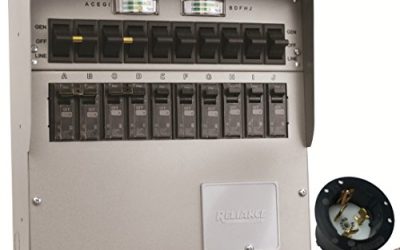
Look for systems certified to recognized safety standards for energy storage, and for installers with relevant electrical licensing and manufacturer training. Avoid placing batteries in locations prone to flooding or extreme heat, and keep clearances around them for ventilation and service. Smoke and carbon monoxide alarms should be in working order, and a generator should never be connected to the home without an approved transfer switch.
Budget Tiers Without Numbers
- Entry tier: a small battery covering a few essential circuits for several hours. Good for brief outages and modest loads.
- Mid-range tier: larger or stacked batteries with solar integration, covering essential loads for a day or more.
- Premium tier: high-capacity multi-battery systems with strong power output, intended for whole-home backup and heavy appliances.
Incentives, tax credits, and utility programs can change the effective cost, so ask local installers what is currently available instead of assuming. Also ask whether the battery can take part in programs that pay owners to support the grid during peak demand.
Common Mistakes
- Sizing by capacity alone and forgetting the surge requirements of motors.
- Expecting a small battery to run a central air conditioner or electric heating.
- Choosing a system without asking how it behaves in a long outage without sun.
- Comparing quotes that cover different scopes, such as one with a critical-loads panel and another without.
- Skipping the review of warranty exclusions and monitoring features.
Buying Checklist
- List the essential appliances, their wattage, and the number of hours they must run.
- Decide between essential-loads backup and whole-home backup.
- Check whether solar is present or planned, and choose AC or DC coupling accordingly.
- Compare usable capacity, continuous power, and surge ratings.
- Review warranty length, guaranteed capacity, and service support.
- Get at least three itemized quotes from licensed installers.
- Confirm permits, utility approval, and incentive eligibility.
Working Through the Quote Process
What a good proposal contains
A clear quote lists the battery’s usable capacity, continuous and peak power output, the inverter model type, the location of every component, and the circuits that will be backed up. It should also describe permits, utility interconnection steps, expected timeline, and who handles warranty claims.
Questions for installers
Ask how the system will be monitored, whether it can be controlled remotely, how it behaves when the grid returns, and what happens if the battery reaches a low charge during an outage. Ask to see a sample load calculation using the household’s actual electricity usage, since a sound design starts with real data.
Comparing apples to apples
Quotes often differ in scope. One may include a new subpanel, a transfer switch, and permitting, while another leaves those out. Put the line items side by side before comparing totals, and be wary of any quote that promises to run an entire house for days on a small battery.
It is also smart to talk with neighbors or local community groups who have installed batteries, because they can describe how the equipment performed during real outages and how responsive the installer was afterward. Reviews of long-term service matter more than a smooth installation day.
Related guides
- Portable Power Stations For Cpap During Power Outages
- How Long Does A Portable Generator Run On A Tank Of Fuel
- How To Prepare For A Power Outage Checklist And Gear
Frequently Asked Questions
How many hours can a home battery run a house?
It depends on capacity and what is connected. A battery that powers only essentials may last a day or more, while the same battery supporting air conditioning and electric cooking may drain in a few hours.
Can a home battery run without solar panels?
Yes, it can charge from the grid and discharge during an outage. Without solar, though, it cannot recharge during a long blackout.
Does a battery replace a generator?
It can for short outages and light loads, and it operates silently without fuel. For long outages with heavy loads, some households combine a battery with solar or a generator.
Is professional installation required?
Yes. Whole-home batteries connect to the main electrical panel and often to the grid, so a licensed installer and local permits are needed for safety and compliance.
More from Amazon
Programs that pair well with the guide above. Offers and eligibility are set by Amazon and may change.
Free shipping on eligible items, Prime Video and more. Eligible new members can start with a free trial.
Start a Prime free trialAudiobooks and podcasts to listen to on the go. Eligible new members can start with a free trial.
Try Audible freeAd-free music streaming. Eligible new subscribers can start with a free trial.
Try Music Unlimited freeA free business account with business pricing and bulk-buying tools for work, shop or home office.
Create a business accountAs an Amazon Associate we earn from qualifying purchases.